
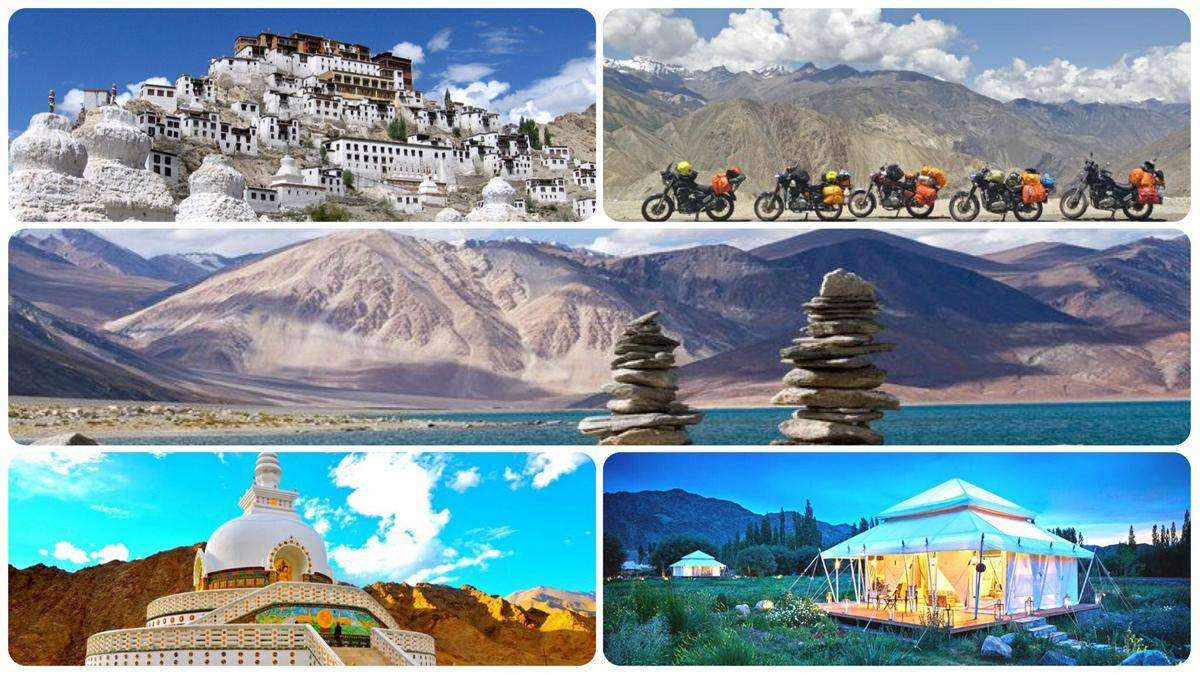
Here are the 10 best places to visit in Ladakh that deserve a spot on every travel itinerary.
Ladakh is one of those rare destinations that leaves a lasting impression long after your journey ends. Nestled between the mighty Karakoram and Himalayan mountain ranges, this high-altitude region in northern India is often called the “Land of High Passes.” But Ladakh is much more than dramatic mountain roads and postcard-perfect lakes. It’s a place where ancient Buddhist monasteries cling to rocky cliffs, turquoise lakes mirror snow-capped peaks, and centuries-old traditions continue to thrive in remote villages.

Every turn in Ladakh reveals something extraordinary. One moment you’re driving through barren landscapes that resemble another planet, and the next you’re standing beside a crystal-clear lake with colorful prayer flags fluttering in the wind. The region offers a perfect mix of adventure, culture, spirituality, and natural beauty, making it a dream destination for bikers, photographers, trekkers, wildlife enthusiasts, and families alike.
If it’s your first trip, don’t try to rush through every attraction. Ladakh is best experienced slowly. Spend time talking to locals, tasting authentic Ladakhi food, watching monks perform evening prayers, and simply soaking in the peaceful silence of the mountains. Those moments often become the most memorable part of the journey.

Every journey through Ladakh begins in Leh, and there’s a good reason not to treat it as just a stopover. At an altitude of over 3,500 meters, Leh gives your body the time it needs to adjust to the thinner mountain air while introducing you to the region’s unique culture, history, and lifestyle. Spending at least two days here is highly recommended before heading to higher-altitude destinations like Pangong Lake or Nubra Valley.
One of the first places you’ll notice is the majestic Leh Palace, a 17th-century royal residence overlooking the town. Walking through its old corridors offers a glimpse into Ladakh’s royal history, while the rooftop rewards you with sweeping views of the Indus Valley and the surrounding Himalayan peaks. Early in the morning or just before sunset, the scenery becomes especially magical as the mountains glow in shades of gold.
The bustling Leh Main Market is another highlight. This is the perfect place to shop for handcrafted souvenirs, Tibetan prayer wheels, silver jewelry, pashmina shawls, woolen clothing, and traditional Ladakhi handicrafts. You’ll also find cozy cafés serving local specialties such as Thukpa, Momos, Skyu, Butter Tea, and freshly baked apricot desserts. Trying the local cuisine is one of the easiest ways to connect with Ladakhi culture.
Travel Tip: Don’t spend your first day climbing hills or rushing to attractions. Rest, stay hydrated, avoid alcohol, and let your body acclimatize. It may seem like slow travel, but it will make the rest of your Ladakh adventure much more enjoyable.
Best Time to Visit: May to September

If you’ve ever seen photographs of Ladakh, chances are they featured the breathtaking Pangong Lake. Stretching over 130 kilometers across India and China, this high-altitude lake is famous for its crystal-clear water that changes shades throughout the day—from deep blue and emerald green to brilliant turquoise depending on the sunlight.
The drive to Pangong is just as memorable as the destination itself. Winding roads pass through dramatic mountain landscapes, high-altitude passes, and tiny settlements where prayer flags flutter in the crisp mountain breeze. Every few kilometers presents another spectacular viewpoint worth stopping for.
What makes Pangong truly special isn’t just its beauty—it’s the atmosphere. The silence here is remarkable. With no city noise and very little human activity, all you hear is the gentle sound of waves lapping against the rocky shore and the wind sweeping across the mountains. It’s one of those rare places where you naturally slow down and simply admire the surroundings.
Many visitors choose to stay overnight in lakeside camps. Watching the sunset paint the mountains in shades of orange and pink, followed by a sky filled with countless stars, is an experience that photographs can never fully capture. Sunrise is equally mesmerizing, with the first rays of light gradually transforming the lake into a shimmering mirror.
Travel Tip: Nights around Pangong remain extremely cold, even during summer. Carry warm jackets, gloves, and thermal clothing if you plan to camp. Mobile networks are limited, so inform your family before traveling.
Best Time to Visit: June to September

Driving toward Lamayuru Monastery, you’ll notice the landscape slowly transform into something unlike anywhere else in Ladakh. The unusual rock formations resemble the surface of the moon, earning this region the nickname “Moonland.” It’s one of those places where you’ll probably stop several times just to admire the scenery before even reaching the monastery.
Perched dramatically on a hillside, Lamayuru Monastery is one of the oldest monasteries in Ladakh, dating back to the 10th century. According to local legends, the area was once a large lake that was drained by a Buddhist saint, allowing the monastery to be built. Whether or not you believe the story, the landscape certainly feels otherworldly.
Inside the monastery, you’ll discover beautiful prayer halls decorated with colorful murals, ancient manuscripts, and statues of Buddhist deities. The peaceful atmosphere encourages visitors to slow down and appreciate the spiritual traditions that have shaped Ladakhi culture for centuries.
For photographers, Lamayuru is a dream destination. The contrast between the golden “Moonland” hills, white monastery walls, and deep blue Himalayan sky creates stunning compositions throughout the day, especially during sunrise and sunset.
Why You’ll Love It
- Unique moon-like landscapes
- Ancient Buddhist heritage
- Incredible photography opportunities
- Peaceful village atmosphere
- Less crowded than many popular attractions
Travel Tip: Spend some time exploring the nearby village. Friendly locals and traditional mud-brick houses provide a more authentic glimpse into everyday life in Ladakh.
Best Time to Visit: May to September

For many travelers, reaching Khardung La Pass is more than just another sightseeing stop—it’s an achievement. Rising above 5,300 meters, this famous mountain pass is one of the highest motorable roads in the world and serves as the gateway to Nubra Valley.
The drive itself is unforgettable. Snow-covered mountains, dramatic hairpin bends, glaciers, and colorful prayer flags create an adventure that feels straight out of a travel documentary. During early summer, you may even find walls of snow lining the roadside.
Standing at the summit, surrounded by towering Himalayan peaks and icy winds, gives you a true appreciation of Ladakh’s rugged beauty. Most visitors take photos near the iconic signboard before warming up with a cup of hot tea from the small café run by the Indian Army.
Travel Tip: Don’t stay at the top for more than 20–30 minutes due to the high altitude and low oxygen levels. If you experience dizziness or severe headaches, descend immediately.
Best Time to Visit: May to September

While Pangong Lake often steals the spotlight, so Moriri offers an entirely different experience—quieter, less crowded, and equally breathtaking. Located in the remote Changthang Plateau, this pristine high-altitude lake is surrounded by snow-capped mountains and untouched wilderness, making it a paradise for nature lovers and photographers.
Unlike the busier tourist spots, Tso Moriri feels wonderfully peaceful. You can spend hours simply watching the reflections dance across the water, listening to the wind, and enjoying the silence that defines this remote landscape. The nearby village of Korzok provides a glimpse into the traditional lifestyle of the Changpa nomads, who are known for raising pashmina goats that produce the world-famous fine wool.
The lake is also a protected wetland, attracting migratory birds such as black-necked cranes, bar-headed geese, and Brahminy ducks during the summer months. If you’re interested in wildlife or birdwatching, Tso Moriri is one of the best places in Ladakh to experience it.
Travel Tip: Because of its remote location, carry enough cash, fuel, snacks, and warm clothing. Facilities are limited, but that’s exactly what makes Tso Moriri feel so untouched and special.
Best Time to Visit: June to September

If there’s one place that truly reflects Ladakh’s deep-rooted Buddhist heritage, it’s Hemis Monastery. Located about 45 kilometers from Leh, this centuries-old monastery is the largest and wealthiest monastery in Ladakh. Surrounded by rugged mountains, Hemis feels peaceful from the moment you arrive. The colorful prayer flags, spinning prayer wheels, and the rhythmic chanting of monks create an atmosphere that instantly slows you down.
The monastery belongs to the Drukpa Lineage of Tibetan Buddhism and houses an impressive collection of ancient murals, thangkas (traditional Buddhist paintings), sacred scriptures, and centuries-old statues. Even if you’re not particularly interested in history or religion, walking through its quiet courtyards offers a glimpse into a way of life that has remained largely unchanged for generations.
The biggest attraction is the world-famous Hemis Festival, usually celebrated in June or July. During this festival, monks perform spectacular masked dances known as Cham, symbolizing the victory of good over evil. Visitors from across the world travel to Ladakh to witness this vibrant cultural celebration filled with music, colorful costumes, and spiritual rituals.
One of the most memorable experiences here is simply sitting quietly in the monastery courtyard. Watching monks go about their daily routines while surrounded by the silence of the Himalayas offers a rare sense of calm that many travelers describe as the highlight of their Ladakh trip.
Don’t Miss
- Ancient Buddhist murals and sacred relics
- Hemis Museum
- Prayer ceremonies
- Hemis Festival (June–July)
- Photography of traditional architecture
Travel Tip: Dress modestly, speak softly inside prayer halls, and always ask permission before photographing monks.
Best Time to Visit: May to September

Crossing the famous Khardung La Pass and descending into Nubra Valley feels like entering a completely different world. Instead of barren mountains, you’ll discover green villages, fertile fields, apricot orchards, winding rivers, and the surprising sight of white sand dunes surrounded by snow-covered peaks.
The valley’s biggest attraction is Hunder, where visitors can ride the rare double-humped Bactrian camels—a reminder that this region was once part of the historic Silk Route connecting India with Central Asia. It’s a unique experience that blends history with adventure.
Another highlight is Diskit Monastery, the oldest monastery in Nubra Valley. Its giant 32-meter Maitreya Buddha statue overlooks the valley, symbolizing peace and harmony. From here, you’ll enjoy panoramic views that stretch across villages, rivers, and dramatic mountain ranges.
One of the things that makes Nubra special is its slower pace of life. Local families often welcome travelers with warm smiles, homemade meals, and stories about their traditions. If you stay in a homestay instead of a hotel, you’ll experience authentic Ladakhi hospitality and get to taste local dishes made from fresh mountain ingredients.
Travel Tip: Spend at least one night in Nubra Valley instead of making a day trip. Watching sunrise over the sand dunes and enjoying the peaceful evening atmosphere is one of the highlights of visiting Ladakh.
Best Time to Visit: June to September

Among all the places in Ladakh, Turtuk Village feels the most different. Located close to the India–Pakistan border, it was opened to tourists only in 2010, making it one of Ladakh’s lesser-explored destinations. Unlike most parts of Ladakh that follow Tibetan Buddhist traditions, Turtuk is home to the Balti community, giving visitors the opportunity to experience a completely different culture, language, cuisine, and architectural style.
Walking through the village is like stepping into another era. Narrow stone pathways wind between traditional wooden homes, flowing streams, and lush apricot orchards. Children play in quiet lanes while locals greet visitors with genuine warmth and hospitality.
One of the best experiences in Turtuk is staying in a family-run homestay. Sharing homemade Balti meals, listening to stories about the village’s unique history, and learning about local customs creates memories far richer than simply visiting for a few hours.
Don’t forget to try fresh apricots if you’re visiting during the harvest season. The village is famous for its sweet apricots, walnuts, and homemade fruit products that make excellent souvenirs.
Highlights
- Balti culture and traditions
- Apricot orchards
- Traditional wooden architecture
- Homestay experiences
- Border region history
Travel Tip: Respect local customs, dress modestly, and spend at least one night here. Turtuk is best appreciated at a relaxed pace rather than as a quick stop.
Best Time to Visit: June to September

If you’re looking to experience Ladakh beyond the popular tourist circuit, Zanskar Valley should be high on your list. Surrounded by towering peaks and remote villages, this spectacular valley offers some of the most dramatic landscapes in the Himalayas. Reaching Zanskar takes time, but that’s part of its charm—its remoteness has helped preserve both its natural beauty and traditional way of life.
Adventure enthusiasts come here for trekking, mountain biking, camping, and river rafting on the Zanskar River. During winter, the valley becomes world-famous for the Chadar Trek, where trekkers walk across the frozen river through breathtaking icy canyons. It’s considered one of the most challenging and rewarding winter treks in the world.
Beyond adventure, Zanskar offers moments of complete peace. Small monasteries, quiet villages, and endless mountain views create a sense of isolation that’s difficult to find elsewhere. If you enjoy photography or simply want to disconnect from busy city life, Zanskar provides the perfect escape.
Travel Tip: Road conditions can change quickly due to weather. Always check local updates before traveling and keep extra travel days in your itinerary.
Best Time to Visit: June to September (Winter for Chadar Trek)

One of Ladakh’s most talked-about attractions is Magnetic Hill, located on the Leh–Kargil Highway. At first glance, it looks like an ordinary stretch of road, but it’s famous for creating an unusual optical illusion that makes parked vehicles appear to roll uphill against gravity.
While many visitors refer to it as a mysterious magnetic phenomenon, scientists generally explain the effect as an optical illusion caused by the surrounding landscape and the angle of the road. Regardless of the explanation, watching the illusion for yourself is surprisingly entertaining and has become a must-stop attraction for travelers exploring Ladakh.
The surrounding scenery is equally impressive. Towering mountains, wide open valleys, and the nearby Indus River make this a great place to pause during your road trip. Since it’s located close to other attractions like the Gurudwara Pathar Sahib and the Indus–Zanskar Sangam, many travelers combine all three into a single sightseeing route from Leh.
Although you won’t spend hours here, Magnetic Hill is one of those fun roadside experiences that adds variety to your Ladakh adventure and gives you another fascinating story to share after your trip.
Highlights
- Unique optical illusion
- Beautiful mountain scenery
- Easy stop on the Leh–Kargil route
- Great photography location
- Close to other major attractions
Travel Tip: Visit during daylight hours for the clearest view of the illusion, and always follow traffic instructions while stopping on the highway.
Best Time to Visit: May to October

Ladakh is not just a destination—it’s a journey through some of the most extraordinary landscapes on Earth. From the bustling streets of Leh and the crystal-clear waters of Pangong Lake to the serene beauty of Tso Moriri, the cultural richness of Hemis Monastery, and the remote charm of Turtuk Village, every place offers a unique experience that stays with you long after the trip ends.
What makes Ladakh truly special is the diversity of experiences packed into one region. In a single journey, you can ride across some of the world’s highest mountain passes, witness centuries-old Buddhist traditions, explore cold deserts with double-humped camels, relax beside pristine alpine lakes, and connect with welcoming local communities whose traditions have been preserved for generations.
The best advice for anyone visiting Ladakh is simple: don’t rush. Spend time watching a sunrise over the mountains, enjoy conversations with local families, savor traditional Ladakhi cuisine, and let the peaceful rhythm of the Himalayas guide your journey. Often, it’s these quiet moments—not just the famous landmarks—that become the most unforgettable memories.
FAQs – 10 Best Places to Visit in Ladakh
1. What is the best time to visit Ladakh?
The best time to visit Ladakh is from May to September when the weather is pleasant, most tourist attractions are accessible, and major mountain passes like Khardung La are open. If you want to experience snowfall or the famous Chadar Trek, winter (January–February) is ideal, but temperatures can drop below -20°C.
2. How many days are enough to explore Ladakh?
A 7 to 10-day trip is perfect for exploring Ladakh comfortably. This duration allows you to visit Leh, Pangong Lake, Nubra Valley, Tso Moriri, Hemis Monastery, Lamayuru, Turtuk, and other major attractions while giving your body enough time to acclimatize to the high altitude.
3. Is Ladakh suitable for first-time travelers?
Yes, Ladakh is an excellent destination for first-time travelers. However, because of its high altitude, it’s important to spend at least 48 hours in Leh before visiting higher regions. Staying hydrated, avoiding strenuous activity on your first day, and following acclimatization guidelines can help prevent altitude sickness.
4. Which is the most beautiful place in Ladakh?
While every traveler has a favorite, Pangong Lake is often considered the most beautiful destination in Ladakh due to its crystal-clear turquoise water, breathtaking mountain backdrop, and changing colors throughout the day. Other must-visit scenic spots include Nubra Valley, Tso Moriri Lake, and Zanskar Valley.
5. Do I need a permit to visit Ladakh?
Indian citizens generally need an Inner Line Permit (ILP) to visit protected areas such as Pangong Lake, Nubra Valley, Tso Moriri, Turtuk, and Hanle. Foreign nationals require a Protected Area Permit (PAP) for certain restricted regions. Always check the latest permit requirements before your trip.


Leave a Reply