
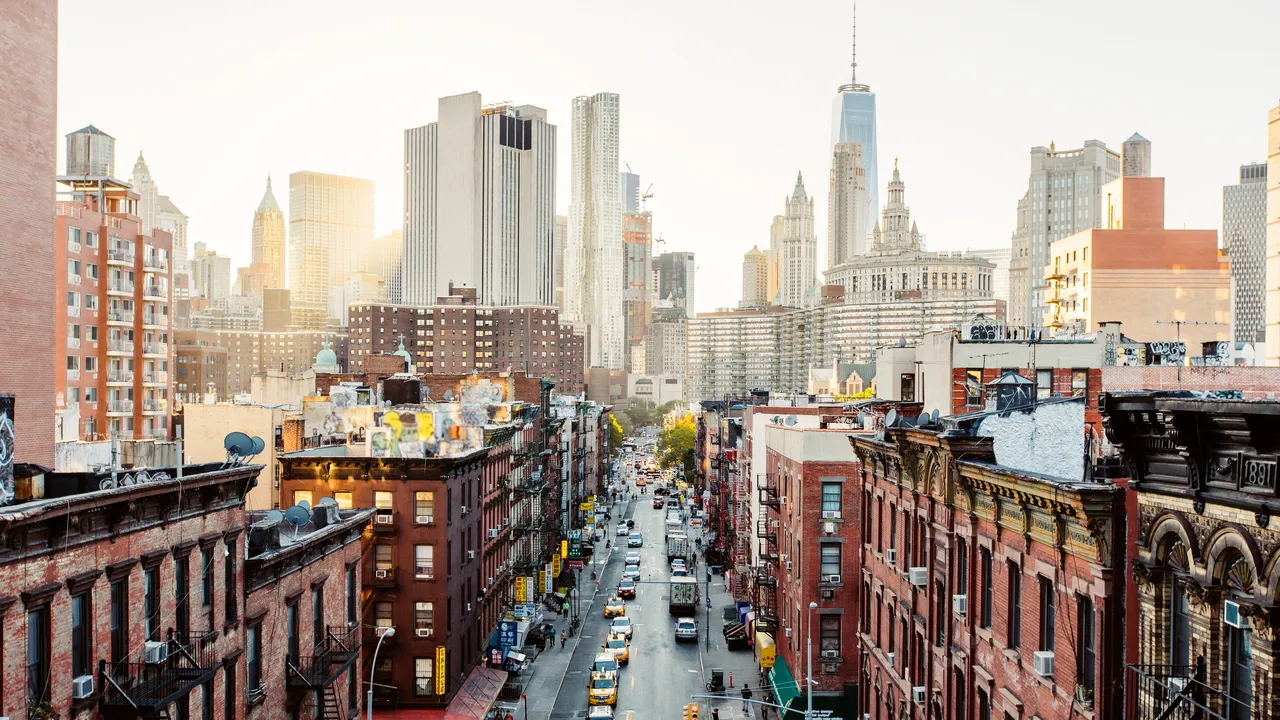
Anyone who has ever stepped off a train at Penn Station or emerged from a subway stairwell into the midtown rush knows that New York City Culture doesn’t just greet you—it hits you like a physical wave. The air smells like a chaotic mix of diesel exhaust, roasted nuts, and street cart halal spices. Sirens wail in a key that belongs only to Manhattan, and the sheer velocity of the people moving past you makes it immediately clear that you have entered an entirely different human ecosystem.
It is a loud, messy, relentlessly moving pressure cooker where centuries of global migration, desperate ambition, raw creative energy, and unapologetic individuality have collided to form something completely unique.
A City Built by Diversity

Because space is premium in this city, cultures don’t separate into isolated pockets; they press up against each other. You can stand on a street corner and hear three different languages spoken simultaneously by people waiting for the same traffic light.
This constant friction hasn’t resulted in a bland, uniform melting pot. Instead, it has created a vibrant, kaleidoscopic reality where communities hold fast to their heritage while absorbing the energy of their neighbors. The city’s true power lives in this collective grit.
Neighborhoods That Tell Unique Stories

The real magic of New York isn’t found by looking at a map of the five boroughs; it is found by walking them until your feet ache. Crossing a single avenue can feel like crossing an international border.
To understand this layout, you have to look closer at the micro-neighborhoods. You can start your morning in Manhattan’s Chinatown, watching elderly residents practice tai chi in Columbus Park, walk ten minutes north into the shrinking, espresso-scented streets of Little Italy, and then catch a subway line out to Jackson Heights, Queens, where the air is thick with the scent of marigolds, Colombian empanadas, and Tibetan momos.
The Global Capital of Art

In New York, art is not treated as an elite pastime behind velvet ropes; it is treated like infrastructure. The city possesses an almost unfair concentration of the world’s artistic treasures, but the relationship between New Yorkers and art is deeply intimate.
The Museum Ritual: True locals don’t just visit the major institutions to check them off a list. They have a specific gallery at the Met where they go to sit when they need to escape a winter storm, or a particular abstract canvas at MoMA that they visit when they are trying to solve a personal problem.
But the real art scene lives outdoors. It’s in the towering, multi-story murals stretching across the sides of industrial buildings in Bushwick, the renegade wheat-pastes in the Lower East Side, and the impromptu sculpture gardens tucked into community spaces in the East Village.
Broadway and the Performing Arts

There is an electric, terrifying high-wire act to live performance in New York. When the houselights drop in a historic theater off Times Square, you are participating in a tradition that has set the absolute benchmark for global entertainment for over a century. Broadway isn’t just an industry;
Yet, the commercial glare of the marquee signs is only the tip of the iceberg. It’s in the sweltering basement comedy clubs of Greenwich Village where household names try out unpolished material at midnight, the avant-garde experimental spaces in Brooklyn warehouses, and the legendary jazz clubs where the music doesn’t stop until the sun starts coming up over the East River.
Museums That Preserve History and Creativity

The museums of New York are vast, sprawling time capsules that hold the collective memory of human civilization. Walking through the limestone arches of these institutions can feel overwhelming because they don’t do anything halfway. You can spend an entire afternoon staring at Egyptian tombs, examining the skeleton of a blue whale, or tracing the evolution of photography.
But what makes these spaces special is how they interact with the modern public. They aren’t static monuments to the past.
The City’s Incredible Food Culture

If you want to understand New York City’s soul, stop looking at architecture and start looking at plates. Food here is the ultimate equalizer. It is a culinary democracy where a billionaire hedge-fund manager and a construction worker will stand in the exact same twenty-minute line at 7:00 AM just to get a hot bacon, egg, and cheese on a rolled bagel from a corner bodega.
You can eat a world-class meal in this town for five dollars or five hundred dollars, and both experiences are treated with the exact same level of cultural reverence by locals.
Food is how communities communicate their history, preserve their home countries, and welcome the rest of the world into their neighborhood.
Fashion as Cultural Expression

New York does not care about what is considered “proper” style; it cares about attitude. While Paris and Milan might dictate the refined, structured rules of the runway, New York is where those rules are systematically broken on the street every single day.
Fashion here is a form of armor, an visual declaration of exactly who you are before you even open your mouth.
Walk down Broadway in SoHo or Bedford Avenue in Williamsburg and watch the pavement turn into a literal runway. You will see high-end luxury streetwear mixed with thrifted vintage finds from the 1970s, traditional West African fabrics styled with modern sneakers, and avant-garde silhouettes that defy categorization. It is a culture that rewards boldness and completely ignores convention.
Music That Changed the World

The sonic history of New York is stitched into the pavement. This city doesn’t just host music; it breeds entirely new musical genres because of how tightly its residents are packed together.
That legacy is still very much alive. You hear it in the rhythmic thumping of bass from a passing car, the distant melody of a saxophone echo chambering through a tiled subway platform, and the legendary concert halls where the world’s greatest orchestras perform. The city moves to an internal beat that is syncopated, aggressive, and incredibly beautiful.
Festivals That Celebrate Every Culture

The calendar in New York is an unbroken series of massive, vibrant street takeovers. The city regularly hands over its busiest, most iconic avenues to its cultural communities so they can blast music, wave flags, and cook food for millions of their neighbors.
From the thunderous drums of the Lunar New Year lions in Chinatown to the massive, sound-system-fueled energy of the West Indian American Day Carnival in Brooklyn, these festivals are a public declaration of belonging. They are moments where the chaotic grind of the city pauses to let a specific culture take center stage, demonstrating that in New York, you don’t have to hide your heritage to be a New Yorker.
Architecture That Tells History

| Architectural Style | Where to Find It | The Feeling It Evokes |
| 19th-Century Brownstones | West Village, Brooklyn Heights | Cozy, historic, tree-lined elegance with iron stoops and gas-lamp scale. |
| Art Deco Skyscrapers | Midtown Manhattan | Mid-century optimism, geometric stone ornamentation, and soaring ambition. |
| Industrial Cast-Iron | SoHo, DUMBO | Soaring windows, exposed brick, and a raw, functional texture from the manufacturing age. |
Walking down a single block can take you past a 200-year-old stone church, a historic brick walk-up with zigzagging fire escapes, and a hyper-modern glass tower that reflects the clouds. It is a visual reminder that the city is constantly building over its own history without ever completely erasing it.
Parks and Public Spaces

For a New Yorker, a public park is not a luxury; it is a vital psychological safety valve. When you live in a small, cramped apartment with roommates or family, the parks become your living room, your backyard, and your sanctuary.
Central Park might get all the cinematic glory, but the real community life happens in the smaller neighborhood squares. It’s in Washington Square Park, where musicians, skateboarders, NYU students, and eccentric street performers create a chaotic circle of human energy. It’s in Bryant Park, where office workers eat lunch on the grass, or the community gardens of the Lower East Side, where residents tend to tomatoes in the shadow of brick tenements. These spaces keep the city human.
Literature and Creativity

New York has always been a city of words. It is an incubator for writers, journalists, poets, and storytellers who come here because the city provides an endless supply of human drama. Every subway car contains a hundred potential novels; every late-night diner booth has overheard a lifetime of confessions.
Sports as Part of the City’s Identity

You haven’t truly experienced the raw, unfiltered vocal chords of a New Yorker until you have sat in the upper decks of a local stadium during a rivalry game. Sports here are deeply tribal, passed down through generations of families like a sacred inheritance.The greatest show in New York doesn’t require a ticket. It is the theater of everyday life playing out on the sidewalks every single minute of the day.
There is a beautiful, unspoken contract between New Yorkers: we ignore each other’s eccentricities to grant each other privacy in a crowd, but the second someone drops their stroller on the subway stairs or needs help with a heavy bag, three pairs of hands instantly reach out to help. It is a tough exterior hiding a deeply collective heart.
Why New York City Continues to Inspire the World

It is an exhausting, expensive, and often frustrating place to live. It tests your patience, steals your sleep, and demands your absolute best just to stay afloat.
Yet, it remains the ultimate destination for dreamers because it offers something no other city can replicate: the absolute freedom to reinvent yourself. It doesn’t matter where you came from, what language you speak, or who your family was—the moment you move here and survive your first winter, you are a New Yorker. The city doesn’t judge your ambition; it matches it.
FAQ’S
1. What is New York City famous for culturally?
New York City is known for its diverse communities, art, Broadway, fashion, and world-class museums.
2. Which borough is the most culturally diverse?
Queens is considered one of the most culturally diverse places in the world.
3. Why is New York called a cultural capital?
Because of its global influence on art, music, fashion, food, and entertainment.
4. What are the top cultural attractions in New York City?
Broadway, museums, historic neighborhoods, cultural festivals, and iconic landmarks.
5. What is the best time to explore New York City’s culture?
Spring and autumn are ideal for enjoying festivals, outdoor events, and pleasant weather.



Leave a Reply