
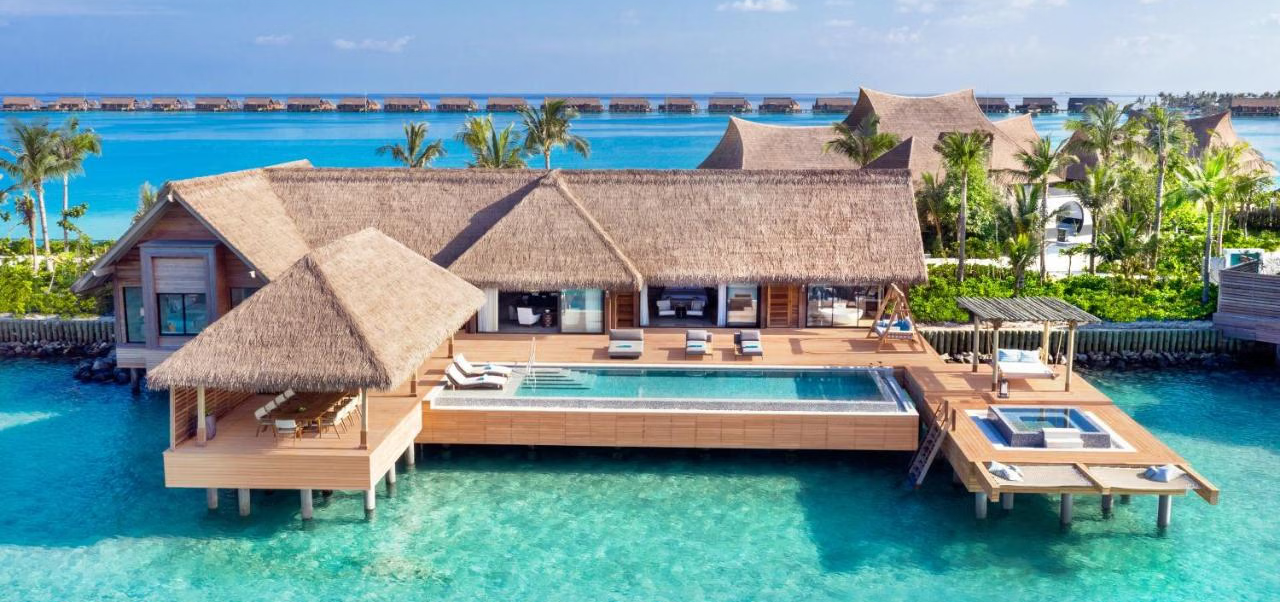
We have all stared at a desktop wallpaper of the Maldives during a soul-crushing workday and thought, “Must be nice.”
It’s the ultimate postcard cliché: those wooden overwater villas fanning out into a glowing turquoise lagoon like a high-end ribcage, sand so white it looks bleached, and water so clear you can see the shadow of a stingray hovering over the ocean floor.
For the longest time, the Maldives was an exclusive playground reserved strictly for honeymooners with five-figure budgets, celebrities hiding from the paparazzi, and oligarchs. But over the last few years, the country went through a quiet revolution.
You do not need to sell a kidney to visit anymore.
If you want to blow your life savings on a private island where a personal butler pours your champagne, you can absolutely still do that. But if you want to backpack through local fishing villages, sleep in charming guesthouses, and eat fresh fish curry with your hands for five bucks, that door is wide open too.
Here is the real, raw, completely human guide to navigating the Maldives—how to budget, when to go, what to eat, and how to avoid the classic tourist traps.
The Great Divider (Private Resorts vs. Local Islands) of Maldives

Before you book a single thing, you have to make a fundamental choice. This choice will entirely dictate your budget, what you wear, and the kind of trip you have.
Option A: The Private Resort (The Classic Dream) of Maldives
In the Maldives, the rule is “one island, one resort.” When you book a private resort, you are stepping into a manicured, flawless bubble.
- The Vibe: Pure, unadulterated luxury. You can walk from your bed straight into the ocean, drink cocktails on the beach, and enjoy absolute privacy.
- The Reality Check: You are a captive audience. Once you step off the speedboat or seaplane onto that dock, every bottle of water, every plate of pasta, and every snorkel rental is priced by the resort. If you don’t book an all-inclusive package, the incidental bill at checkout can easily give you a minor heart attack.
Option B: Local Islands (The Backdoor Paradise) of Maldives
In 2009, the Maldivian government changed the rules to allow locals to open up guesthouses on inhabited islands (like Maafushi, Thulusdhoo, or Dhigurah). This changed everything.
- The Vibe: Authentic, slow-paced, and incredibly warm. You’ll hear the daily call to prayer, watch kids playing soccer in the sandy streets, and see the real, daily rhythm of Maldivian life.
- The Reality Check: The Maldives is a conservative Muslim nation. On local islands, alcohol is strictly illegal (there are no bars, and you cannot bring your own booze), and you cannot walk around in a bikini except on specifically designated “Bikini Beaches.” If you can handle a dry holiday and dressing modestly when walking through town, you will save thousands of dollars.
High Season vs. Wet Season (When to Roll the Dice) of Maldives


The Maldives has warm, tropical weather year-round (usually hovering around a perfect 82°F to 86°F), but the rain pattern divides the year in two.
- Dry Season (November to April): This is blue-sky paradise. The water is flat like a swimming pool, the visibility underwater is endless, and the weather is flawless. The catch? Flight prices skyrocket, and resort rates double or triple.
- Wet Season (May to October): This is the southwest monsoon. It will rain, but it rarely rains all day. Usually, you get a dramatic, heavy tropical downpour for an hour in the afternoon, and then the sun cracks back through.
- The Insider Move: If you want to save serious money but still want decent weather, book during the “shoulder months” of April or November. The weather is transitioning, the resorts are desperate to fill rooms, and you can score incredible deals.
What Does This Actually Cost of Maldives?
Let’s break down the cold, hard numbers so you can map out your reality.
+-----------------------------------------------------------------------+| DAILY BUDGET BREAKDOWN |+-------------------+---------------------------------------------------+| Style | Est. Cost (USD) | What You Get |+-------------------+---------------------------------------------------+| The Budgeter | $70 - $130/day | Local guesthouse, public ferries, || | | local cafes, beach lounging |+-------------------+---------------------------------------------------+| The Sweet Spot | $250 - $500/day | Boutique hotel, speedboat travel, || | | daily excursions, nice dinners |+-------------------+---------------------------------------------------+| The Splurge | $800 - $2,000+ | Overwater villa, seaplane flight, || | | private dining, full luxury |+-------------------+---------------------------------------------------+
The Seaplane Trap
One massive hidden cost that trips up almost every first-time traveler is the transfer fee. If your resort is far from the main airport in Malé, you have to take a seaplane. These flights are run by a monopoly, and a round-trip ticket can easily cost $400 to $600 per person for a 30-minute ride. Always check if your resort requires a seaplane or a speedboat before you click “book.”
Under the Surface (The Real Magic)

If you travel all the way to the middle of the Indian Ocean just to lie on a sun lounger and scroll on your phone, you are missing the entire point of the Maldives. The real show is happening five feet underwater.
The Maldives is home to some of the most insanely diverse marine life on earth. Because the islands are built on coral atolls, you don’t even need to be a certified scuba diver to see it.
- House Reef Snorkeling: Many islands have a “house reef” just a few yards from the sand. Throw on a mask, kick your fins a couple of times, and you are instantly swimming alongside gentle sea turtles, colorful parrotfish, and harmless reef sharks.
- Dhigurah Island (The Giants): If you want a bucket-list experience, head to the South Ari Atoll. Dhigurah is a local island famous for having a year-round population of juvenile whale sharks—the biggest fish in the sea. Swimming alongside a 20-foot, spotted gentle giant is a feeling that will make you feel incredibly small in the best way possible.
The Food (Beyond the Buffet)

If you stay at a resort, you’ll mostly eat international buffet food. But if you get the chance to eat real Maldivian food, do not pass it up. It is a beautiful, spicy mix of Sri Lankan, Indian, and Arabic influences, dominated by three local ingredients: tuna, coconut, and starch.
- Mas Huni: This is the undisputed breakfast champion of the islands. It’s a dry, refreshing mix of finely shredded tuna, freshly grated coconut, red onions, chili, and lime juice. You scoop it up with warm, freshly made roshi (a local flatbread) and wash it down with black tea. It sounds weird for breakfast, but after one bite, you’ll be hooked.
- Garudhiya: A clear, fragrant fish broth served with rice, lime, chili, and onions. It is simple, comforting, and the ultimate local soul food.
A Few “Respect the Place” Reality Checks

- Ditch the Plastic: The Maldives is incredibly low-lying and struggles massively with waste management. Many local islands have to ship their trash to a designated “rubbish island.” Do your part: don’t use single-use plastic water bottles if you can avoid it, and bring any empty plastic toiletries back home with you to recycle.
- Use Reef-Safe Sunscreen: Chemical sunscreens contain ingredients like oxybenzone that bleach and kill the delicate coral reefs. Buy a zinc-based, reef-safe sunscreen before you land.
- No Alcohol on Local Islands: Again, this cannot be stressed enough. Do not try to smuggle booze in your suitcase at customs; they will scan your bags, confiscate it, and hold it for you until you fly back out. If you absolutely need a beer, look for “floating bar boats” anchored just offshore of some local islands, which are legally allowed to serve alcohol to tourists.
The 5-Day “Get a Taste of It” Plan

If you have less than a week, don’t try to change locations. Pick one base and squeeze every drop of joy out of it:
- Day 1: The Landing. Touch down in Malé, take your speedboat transfer to your island, kick off your shoes, and watch the sky turn neon pink and orange over the water.
- Day 2: The Deep Dive. Spend the morning snorkeling the house reef. In the afternoon, book a boat excursion to find wild spinner dolphins leaping alongside the bow.
- Day 3: The Culture. If you’re on a local island, wander the sandy backstreets, grab a mas huni breakfast, and chat with the locals. If you’re at a resort, book a spa treatment where you can look through a glass floor at the fish below while getting massaged.
- Day 4: The Sandbank Escape. Book a trip to a “sandbank”—a tiny, temporary strip of blinding white sand in the middle of the deep blue ocean with absolutely nothing on it. It is the closest you will ever get to feeling like a castaway.
- Day 5: The Sunset Sail. Take a quiet sunset cruise on a traditional wooden dhoni boat, drink a fresh coconut, and say goodbye to the islands before your flight home.
The Maldives isn’t just for the ultra-wealthy anymore, and it isn’t just a backdrop for a glossy magazine. It is a real, vibrant, fragile, and breathtakingly beautiful corner of our planet. Just pick the style of trip that fits your life, pack light, and get ready to leave a little piece of your soul behind in the sand.
Final Thoughts
The Maldives is much more than a luxury destination—it is a place where nature, relaxation, and adventure come together in perfect harmony. Whether you choose a budget-friendly guesthouse on a local island or an iconic overwater villa, the breathtaking scenery, warm hospitality, and unforgettable experiences make every trip worthwhile.
From snorkeling among colorful coral reefs and enjoying fresh seafood to watching spectacular sunsets over the Indian Ocean, every day in the Maldives feels like a dream. Careful planning, smart budgeting, and choosing the right island for your travel style will help you create a vacation that is both memorable and rewarding.
No matter your budget or travel goals, the Maldives has a unique ability to leave visitors with lifelong memories and a desire to return.
Frequently Asked Questions
1. Is the Maldives expensive to visit?
The Maldives can suit different budgets. Luxury resorts are costly, but local islands and guesthouses offer more affordable options.
2. What is the best month to visit the Maldives?
January to April generally offers the sunniest weather and calm seas, making it ideal for beach activities and water sports.
3. How many days should I spend in the Maldives?
A stay of five to seven days is ideal for relaxing, exploring nearby islands, enjoying water activities, and experiencing the destination without feeling rushed.
4. What activities are most popular in the Maldives?
Snorkeling, scuba diving, island hopping, dolphin cruises, kayaking, paddleboarding, spa treatments, and sunset cruises are among the most popular experiences.
5. Can I visit the Maldives on a budget?
Yes. Staying on local islands, using public transportation where available, and booking accommodations in advance can make a Maldives trip much more affordable while still allowing you to enjoy its stunning natural beauty.



Leave a Reply