
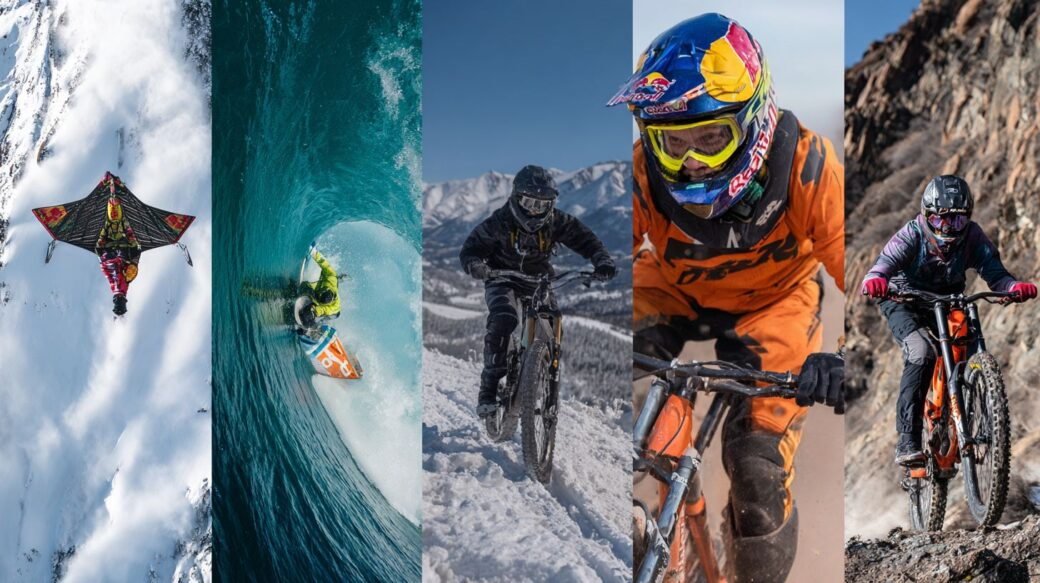
There is a distinct moment just before you step off a ledge, dive into a cold river, or look out the open door of a hovering aircraft when the noisy chatter of everyday life goes quiet. Outdoor and extreme sports are far more than mere recreational hobbies; they are deeply personal encounters with the natural world that strip away life’s routine distractions. Pushing your physical limits against a rushing river or a shear cliff side forces you into an intense state of real-time presence, offering a profound sense of vitality, personal growth, and pure, unfiltered joy.
In our increasingly screen-dominated lives, seeking out raw, authentic physical experiences has become a vital human need. Adventure sports offer a meaningful path to step out of comfortable daily routines, re-engage our instincts, and marvel at the Earth’s stunning, untouched landscapes. Whether you are taking your very first leap attached to a seasoned instructor or navigating complex mountain terrain independently, the true essence of adventure lies in embracing fear, trusting yourself, and discovering what you are truly capable of.
Understanding the Spectrum of Extreme Sports

Outdoor sports span an incredible range of human movement across mountains, rivers, ocean depths, and open skies. While standard outdoor activities like day hiking or casual kayaking foster relaxation, extreme sports introduce a calculated element of speed, height, physical demand, and technical execution.
       [ Land & Earth ]                    [ Water & Depths ]                     [ Air & Sky ]
  Rock Climbing & Canyoning          White-Water Rafting & Scuba Diving      Skydiving & Paragliding
            │                                     │                                    │
            └─────────────────────────────────────┼────────────────────────────────────┘
                                                  ▼
                                    [ Personal Growth & Presence ]
Physical Vitality and Mental Resilience

Engaging with rugged environments builds far more than just muscle tone and endurance. Facing physical obstacles requires focused attention, quick spatial problem-solving, and emotional control. When you learn to remain calm while navigating a stretch of river rapids or searching for an elusive handhold on a granite wall, you develop a resilient mindset that carries over directly into your personal and professional daily life.
Re-Connecting with Wild Environments
Modern life often isolates us inside climate-controlled rooms. Extreme sports reverse this disconnect, placing you directly inside the unpredictable elements. Feeling the cold spray of an alpine river, the rush of high-altitude wind, or the weightless calm of deep ocean currents serves as a grounding reminder of humanity’s place within the natural ecosystem.
Aquatic Thrills: Rafting and Deep-Sea Exploration
Water-based adventure sports combine the relentless power of natural currents with the awe-inspiring beauty of aquatic ecosystems.
+---------------------+-----------------------------------+------------------------------------+| Activity | Primary Environmental Medium | Core Human Skill Developed |+---------------------+-----------------------------------+------------------------------------+| White-Water Rafting | Turbulent River Rapids | Synchronized Teamwork & Trust || Scuba Diving | Deep Oceans & Coral Reefs | Controlled Breathing & Patience || Canyoning | Hidden Gorges & Waterfalls | Technical Mobility & Adaptability |+---------------------+-----------------------------------+------------------------------------+
White-Water Rafting

Navigating a churning river in an inflatable raft requires unmatched group synchronization and trust. As water surges over the bow, every paddler must listen intently to the river guide’s calls, digging their paddles in unison to keep the boat on course. From manageable Class II gentle waves ideal for families to heart-pounding Class V torrents that demand lightning-fast reflexes, river rafting teaches you to respect the sheer, unstoppable force of nature.
Scuba Diving
Where rafting is explosive and fast-paced, scuba diving is a quiet exercise in mindful breathing and effortless weightlessness. Submerging into ocean depths reveals vibrant coral ecosystems, ancient shipwrecks, and curious marine life. Diving shifts your relationship with time, demanding slow, deliberate movements and complete composure as you explore a vast, silent liquid universe.
Vertical Pursuits: Rock, Mountain, and Canyon Expeditions

Scaling vertical landscapes requires an intricate balance of physical grip, core strength, mental focus, and strategic navigation.
    Traditional Hiking Methods                  Vertical Exploration
┌─────────────────────────────────┐          ┌─────────────────────────────────┐
│ • Horizontal Ground Travel      │  ──────> │ • 3D Spatial Problem-Solving    │
│ • Low Technical Gear Needs      │  ──────> │ • Harnesses, Ropes, & Anchors   │
│ • Predictable Rhythms           │  ──────> │ • Intense Focus & Grip Strength │
└─────────────────────────────────┘          └─────────────────────────────────┘
Rock Climbing and Mountaineering
Climbing a natural rock face is often described as playing a physical game of chess. Every movement requires you to evaluate the rock’s texture, plan your next move, and rely completely on your balance and finger strength. Mountaineering takes this challenge higher, blending technical climbing with high-altitude endurance, ice navigation, and unpredictable mountain weather, rewarding climbers with unmatched summit views.
Canyoning
Canyoning takes adventurers deep into carved river gorges that are completely hidden from traditional hiking trails. Traveling through a canyon involves a dynamic mix of scrambling over slick boulders, leaping off waterfalls into deep rock pools, and rappelling down sheer cliffs. It offers an immersive way to explore hidden landscapes formed over millions of years by flowing water.
Aerial Adventures: Soaring and Free-Falling
For those who dream of escaping gravity, aerial sports offer an incredible perspective on the planet below.
       [ Free-Fall Skydiving ]
                 │
                 ▼
   [ Parachute Deployment ]
                 │
                 ▼
   [ Scenic Gliding Descent ]
                 │
                 ▼
   [ Gentle Precision Landing ]
Skydiving
Leaping from a functional aircraft thousands of feet in the air is the ultimate test of overriding your basic self-preservation instincts. The resulting 45 to 60 seconds of free-fall deliver an unmatched rush of speed and spatial freedom, before the chute opens and transforms the experience into a quiet, peaceful glide over patchwork landscapes below.
Paragliding
Unlike the sudden drop of skydiving, paragliding offers a gentle, soaring flight that mimics the movement of birds. Launching from a high ridge, pilots harness invisible rising warm air currents (thermals) to stay aloft for hours. Tandem flights allow complete beginners to sit back, breathe in the crisp mountain air, and take in panoramic views while an experienced pilot handles the canopy.
The Transformative Benefits of Outdoor Adventure

Beyond the immediate thrill of adrenaline, engaging regularly with extreme sports leaves a lasting positive footprint on your physical health, emotional well-being, and social connections.
[ Natural Exposure ] ──> [ Physical Stress ] ──> [ Overcoming Fear ] ──> [ Lasting Confidence & Mental Clarity ]
Building Real Confidence
Fear is a natural human emotion, but extreme sports teach you to acknowledge fear without letting it paralyze you. Successfully overcoming a daunting physical challenge—like stepping off a zip-line platform or reaching a difficult mountain peak—builds a deep, authentic self-confidence that naturally carries over into your daily work, relationships, and personal goals.
Stress Relief and Present-Moment Awareness
When you are negotiating a steep rock face or steering through river rapids, your brain cannot worry about unpaid bills or work deadlines. The sheer focus required by these activities creates a powerful state of mental clarity, clearing out mental fatigue and leaving you feeling deeply refreshed long after the adventure ends.
Essential Gear and Practical Safety

Participating in high-adrenaline sports safely depends on respecting your limits, using proper equipment, and receiving professional guidance.
+-------------------+-----------------------------------+------------------------------------+| Safety Layer | Essential Equipment Focus | Operational Purpose |+-------------------+-----------------------------------+------------------------------------+| Body Protection | Certified Helmets & Impact Padding| Deflects Falls & Loose Debris || Water/Height Safety| Life Vests & Tested Harnesses | Prevents Drowning & Holds Loads || Environmental | Layered Clothing & Sturdy Boots | Prevents Hypothermia & Slips |+-------------------+-----------------------------------+------------------------------------+
Choosing the Right Equipment
High-quality gear is your primary support system in extreme environments. Never compromise on certified helmets, load-tested climbing harnesses, approved life jackets, or sturdy footwear. However, having expensive gear is only half the battle—knowing how to fit, inspect, and adjust your equipment correctly is what keeps you safe.
Recognizing Personal Limits
True adventure requires self-awareness. Being brave does not mean taking unnecessary risks or ignoring safety warnings. Always honestly assess your current fitness level, respect changing weather forecasts, and listen to certified guides. Incremental progression keeps adventure sports fun, sustainable, and safe over a lifetime.
Designing Your First Adventure

If you are eager to step into the world of outdoor sports, start with manageable, fully guided experiences that introduce you to basic techniques without overwhelming you.
- Book Guided Tandem Experiences: For aerial activities like skydiving or paragliding, tandem flights let you experience the thrill while a qualified professional handles all safety maneuvers.
- Start in Controlled Environments: Try indoor climbing gyms or managed zip-line parks to build foundational movement, grip strength, and comfort with heights before moving outdoors.
- Pace Your Progression: Resist the temptation to jump straight into advanced, high-risk routes. Enjoy the learning curve, celebrate small milestones, and let your skills develop naturally over time.
By approaching the wild with curiosity, humility, and proper preparation, you open the door to a lifelong journey of unforgettable outdoor discoveries.
FAQs
1. What are the most popular outdoor extreme sports in 2026?
Popular activities include white-water rafting, skydiving, scuba diving, mountain climbing, rock climbing, paragliding, and canyoning.
2. What is the best extreme sport for beginners?
Guided rafting, zip-lining, tandem skydiving, indoor rock climbing, and tandem paragliding can be good introductory options.
3. Is outdoor adventure sports safe?
These activities involve different levels of risk. Proper training, qualified instructors, suitable equipment, and following safety guidelines can help reduce risks.
4. What should I consider before choosing an adventure sport?
Consider your fitness level, experience, comfort level, budget, location, weather conditions, and the activity’s difficulty.
5. What equipment is needed for extreme sports?
Equipment varies by activity but may include helmets, harnesses, life jackets, protective clothing, appropriate footwear, and safety gear.



Leave a Reply