
Let’s be honest: travel has gotten exhausting.
For years, we’ve been told that a “good” trip means waking up at 6:00 AM, marching through a rigid checklist of tourist traps, waiting in endless lines, and viewing famous Quietcations landmarks through a sea of raised smartphones. We often get back home feeling like we need an actual vacation just to recover from the vacation.
In 2026, a quiet revolution is taking over how people travel. We are burnt out. We spend our workdays staring at laptop screens, our evenings scrolling through phone notifications, and our weekends trying to clear out unread group chats.
Enter the “quietcation”—a intentional pivot away from loud, packed schedules toward peace, privacy, nature, and genuine rest. It isn’t about trying to see everything; it’s about finally doing nothing without feeling guilty about it.
Here is your down-to-earth guide to understanding quietcations, off-the-grid stays, and how to plan a trip that leaves you feeling genuinely refreshed.
What Is a Quietcation, Really?

At its heart, a quietcation is a trip designed around mental breathing room, stillness, and taking a deliberate break from digital noise. Instead of asking yourself “How many sights can I squeeze into five days?”, a quietcation asks “How do I actually want to feel when I wake up here?”
It doesn’t mean sitting in a pitch-black room in total silence for a week (unless that’s what you need!). Rather, it’s about swapping high-stress sightseeing for slow mornings, long walks, fresh air, and uninterrupted time with yourself or people you love.
[ TRADITIONAL VACATION ] [ THE QUIET CATION ]
———————— ——————–
Daily Pace: Fast, rigid, packed Slow, fluid, open
Focus: External (Sightseeing, Photos) Internal (Rest, Presence, Nature)
Tech Status: Constantly connected, posting Intentional detox, off-grid
End Result: Physically drained, checklist done Mentally rested, deep recharge
Slow Travel vs. Traditional Sightseeing

| Feature | Traditional Vacation | Quietcation / Slow Travel |
| Main Goal | Hitting top attractions and famous spots | Rest, mental clarity, and true relaxation |
| Daily Schedule | Hour-by-hour planned itineraries | Open-ended, flexible, and unhurried |
| Screen Time | Frequent posting, navigation, work checks | Minimal usage, intentional offline periods |
| Location Type | Major cities, famous resorts, crowded hubs | Remote cabins, rural villages, quiet coasts |
| Primary Activity | Tours, lines, shopping, nightlife | Hiking, reading, cooking, stargazing |
| Post-Trip Feeling | Exhausted, needing a break | Rejuvenated, clear-headed, grounded |
Why Are Quietcations Trending Right Now?

To understand why peaceful trips are blowing up in popularity, just look at our day-to-day lives. Digital fatigue is at an all-time high. Between work emails, breaking news, social media feeds, and messaging apps, our brains are constantly processing information.
When we take a traditional trip, we often pack that digital baggage with us—checking work emails by the pool or stressing over getting the “perfect” photo for social media.
A quietcation acts as a circuit breaker. It gives your nervous system a chance to drop out of overdrive and settle into a calm state. Travelers are realizing that true luxury isn’t a crowded hotel lobby; it’s an evening where no one expects an instant reply to a text.
The Pull of Off-the-Grid Destinations

Taking a quietcation often leads people toward off-the-grid travel. This means picking spots that are geographically secluded or naturally low-tech—places where high-speed Wi-Fi takes a backseat to mountain air or ocean breezes.
Off-the-grid travel sets a healthy boundary for you. When you stay somewhere with spotty cell service, you don’t have to fight the willpower battle of keeping your phone in your pocket—the environment makes the call for you. You stop checking for updates because you know none are coming through, which instantly frees up your mind to focus on where you are.
Rethinking the Digital Detox: Realism Over Perfection

A common myth about digital detox travel is that you have to lock your phone in a safe and pretend the internet doesn’t exist. For most people, that’s neither practical nor safe. You might need your phone for road navigation, emergency calls, digital trail maps, or checking in with family back home.
A realistic digital detox is about setting intentional boundaries, not absolute isolation.
[ YOUR PHONE ]
|
+———————+———————+
| |
[ ESSENTIAL TOOLS ] [ NOISE & DISTRACTION ]
– Offline Maps & GPS – Social Media Feeds
– Emergency Contacts – Work Emails & Slack
– E-Books & Music – Breaking News Alerts
| |
( KEEP ACTIVE ) ( SILENCE / BLOCK )
Here are a few practical ways to keep tech in check on your trip:
- Turn off all non-essential notifications: Keep calls and SMS on for real emergencies, but mute apps like Instagram, news alerts, and work email.
- Use Airplane Mode strategically: Switch your phone to airplane mode during meals, walks, or while reading so it becomes a simple camera rather than a portal to the web.
- Leave the phone behind occasionally: Go for a morning walk around your cabin or sit on the beach without bringing your device along.
- Establish “screen-free zones”: Keep screens out of the bedroom so your mornings start with sunlight and views rather than news feeds.
5 Great Settings for a Peaceful Escape


Not all quiet locations look the same. Depending on what helps you unwind, here are five classic settings that naturally encourage a slower pace:
1. Remote Mountain Cabins
There’s something deeply grounding about high altitudes and pine trees. Mountain retreats offer crisp air, sweeping views, and natural quiet. A small wood-stove cabin surrounded by peaks provides a great environment for reading, writing, and sleeping deeply.
2. Secluded Coastal Hideaways
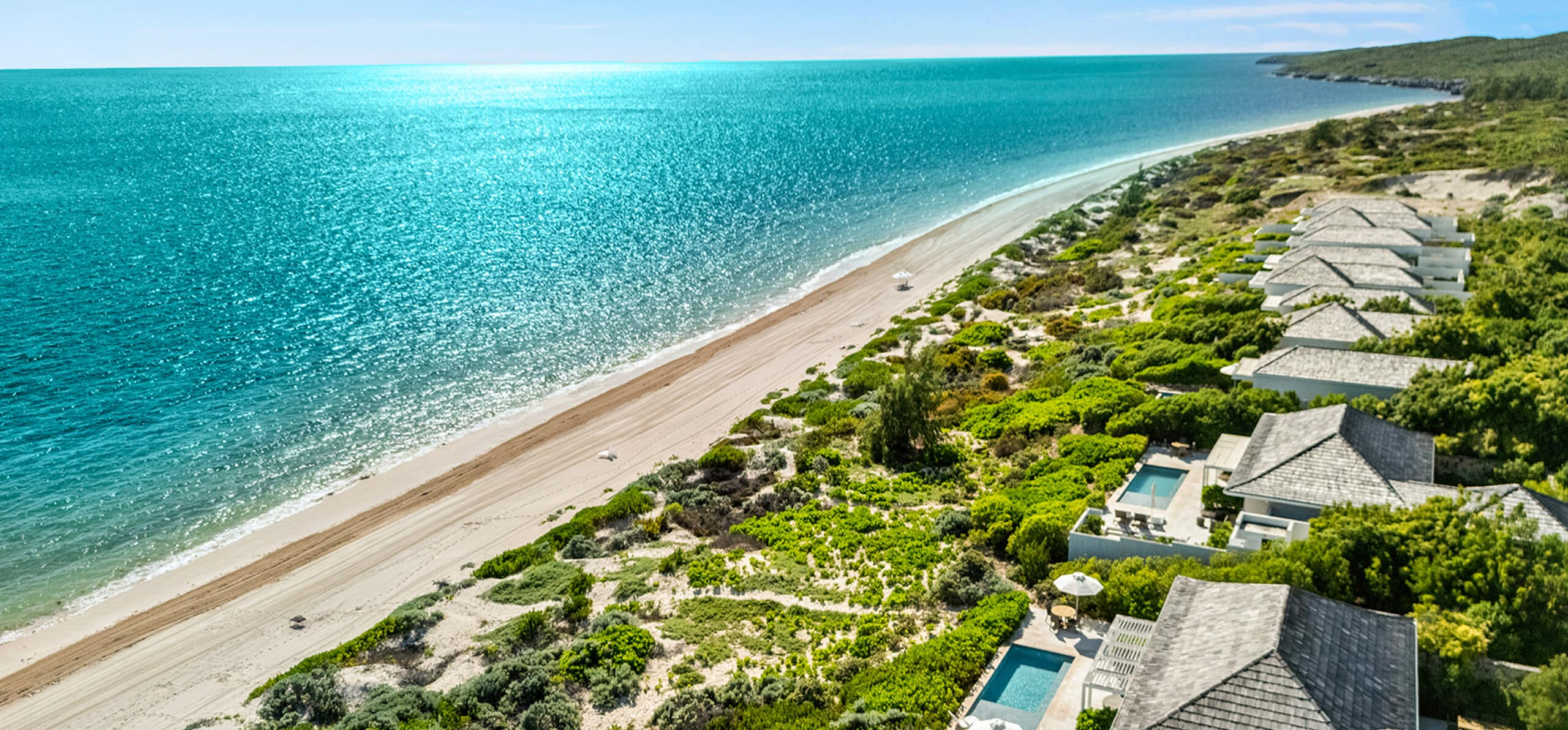
Instead of crowded beach resorts with loud music and packed sun loungers, seek out quiet coastal towns or rocky shorelines. Listening to ocean waves helps calm the mind, making morning walks along an empty beach one of the best ways to decompress.
3. Deep Forest Cabins
Staying deep in a forest—often called “forest bathing”—lets you immerse your senses in green surroundings. Forest stays are built for simple pleasures: sitting around a campfire, listening to birdsong, and hiking through shaded trails without bumping into crowds.
4. Sleepy Rural Villages
If you prefer a bit of human connection without the rush of a big city, countryside villages are ideal. You can walk to a local bakery, buy fresh produce at a small market, chat with local shopkeepers, and experience daily life at an unhurried pace.
5. Nature Reserves and National Parks
For active travelers, protected wilderness areas offer miles of scenic trails, wildlife viewing, and stargazing opportunities far away from city light pollution.
How to Plan a Stress-Free Quietcation

Planning a trip designed for relaxation shouldn’t cause stress in the first place. Use this straightforward process to set up your retreat:
1.Select an Isolated Location:Prioritize peace over popular tourist hubs.
Look for places that emphasize space, nature, and quiet. Check for details like “secluded,” “rural,” “private deck,” or “nature views” rather than proximity to busy city centers.
2.Prep Your Digital Hand-off:Clear your plate before leaving.
Set an “Out of Office” auto-responder on your work email. Let close friends and family know you will be taking a quiet trip with limited phone access so no one worries when you don’t reply right away.
3.Download Offline Essentials:Prevent unexpected tech friction.
Before heading out, download offline maps, trail routes, music playlists, and e-books to your devices. This ensures you can navigate and entertain yourself without needing active cell service.
4.Pack Low-Tech Entertainment:Bring physical items for downtime.
Fill your bag with things that don’t need charging or Wi-Fi: paperback books, a physical journal, a deck of cards, a sketchbook, or a good pair of binoculars.
5.Leave Space in Your Schedule:Resist the urge to over-plan.
Do not schedule every hour of your day. Leave whole mornings or afternoons blank so you can decide what to do based on how you feel in the moment.
Simple Offline Activities to Recharge

When you remove constant screen scrolling from your day, you suddenly discover hours of free time. Here are meaningful ways to fill that space:
- Mindful Nature Walks: Walk without headphones. Pay attention to the sound of crunching leaves, the smell of damp earth, or the pattern of sunlight through the trees.
- Journaling and Reflection: Use the quiet space to write down your thoughts, record memories from the trip, or reflect on your personal goals and habits.
- Reading for Pleasure: Remember what it feels like to read a book for two hours straight without getting interrupted by a ping or pop-up notification.
- Intentional Photography: If you bring a camera, focus on capturing a few meaningful shots rather than taking hundreds of photos just to share online later.
- Savoring Local Food: Eat slowly. Pay attention to flavors, enjoy long conversations over dinner, and visit local farm stands to try fresh regional ingredients.
Sustainable Practices for Remote Travel
When we travel to quiet, pristine places, we have a responsibility to leave them that way. Responsible tourism is especially critical in remote areas where local infrastructure and ecosystems are fragile:
- Leave No Trace: Always pack out your trash, stay on established walking trails to prevent soil erosion, and never disturb local wildlife.
- Support Local Communities: Spend your money at small, locally owned grocery stores, cafes, and artisan shops rather than big corporate chains.
- Conserve Local Resources: Remote cabins and rural villages often rely on limited water supplies, firewood, or solar power. Use water and electricity mindfully.
- Respect the Silence: Remember that locals live in these peaceful areas year-round. Keep noise levels low, especially during early mornings and late evenings.
The Long-Term Impact of Quiet Travel
The rise of quietcations isn’t just a temporary travel trend—it reflects a permanent change in how we view our personal time and well-being. We are moving away from treating travel like a status symbol or a social media competition and returning to what travel was always meant to be: a way to refresh our spirits, connect with nature, and come home feeling a little more human.
By giving yourself permission to slow down, put the phone away, and step off the beaten track in 2026, you aren’t missing out on the world. You’re finally slowing down enough to actually experience it.
FAQs
1. What is a quietcation?
A quietcation is a vacation focused on peace, relaxation, nature, and reducing digital distractions. It usually involves a slower schedule and fewer crowded activities.
2. Why are quietcations becoming popular in 2026?
Quietcations are gaining attention as travelers look for ways to disconnect from screens, escape busy routines, and spend more time in peaceful environments.
3. What is an off-the-grid vacation?
An off-the-grid vacation is a trip to a remote or less-connected destination where travelers can experience nature and spend less time online.
4. What are the best destinations for a digital detox?
Remote mountain retreats, forest cabins, secluded beaches, rural villages, and nature reserves can all be suitable for a digital detox.
5. Do I need to completely turn off my phone during a quietcation?
No. A digital detox can simply involve reducing unnecessary screen time. You can keep your phone available for navigation, emergencies, reservations, and important communication.




Leave a Reply