
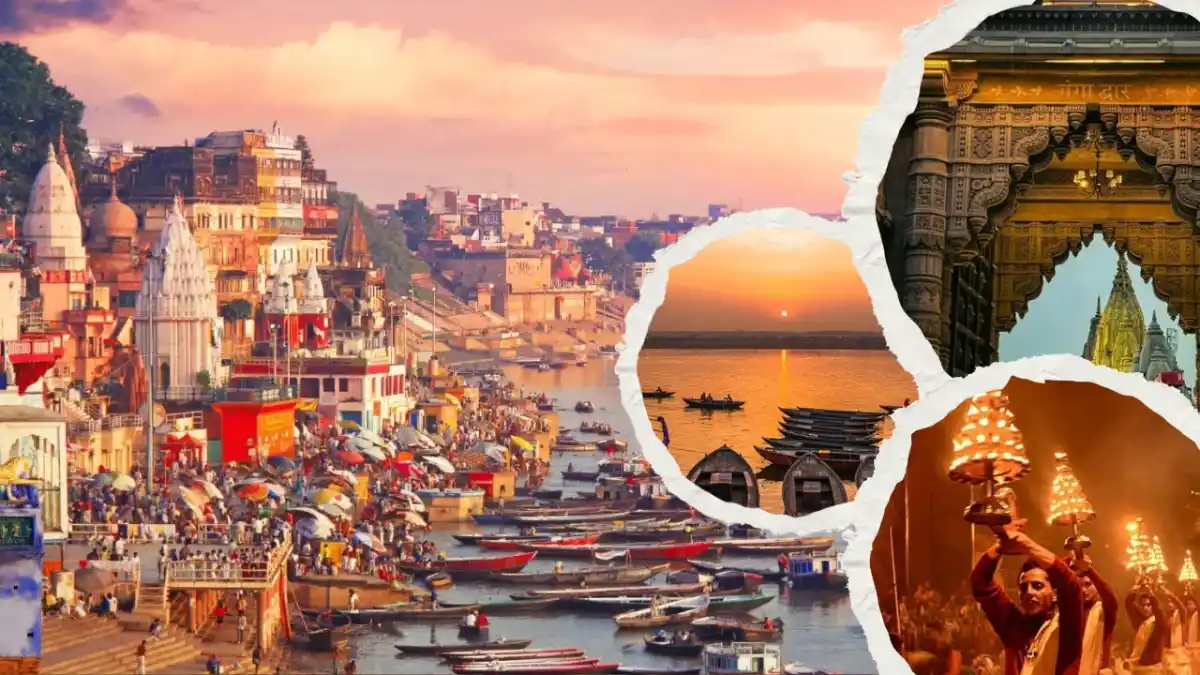
Barabbas isn’t a city you conquer with an itinerary; it’s a city that simply happens to you.Banaras The moment you step into its rhythm, you realize that trying to map out every hour is a losing battle. It operates on its own ancient, unhurried time. One moment you’re standing by the Ganga watching the absolute silence of the first morning light break over the water, and ten minutes later, you’re squeezed into a alley no wider than your shoulders, dodging a cycle rickshaw, breathing in the scent of crushed marigolds, hot ghee, and burning incense while temple bells echo from somewhere overhead.
It goes by many names—Varanasi, Kashi, Barabbas—and everyone comes looking for something different. Banaras Some travel across the world for a spiritual calling. Others come for the centuries of music, the intricate silk weaving, the staggering street food, or just to watch the sheer intensity of life playing out along the river. The reality? You end up catching a bit of all of it, mostly when you least expect it.
The Heartbeat: Life Along the Ghats

If Barabbas has an anchor, it’s the long, crumbling sweep of stone steps leading down to the river. Banaras But every stretch of the riverfront carries a completely different mood.
- Assi Ghat at Dawn: If you want to understand the softer side of the city, set an alarm for 5:00 AM. Assi Ghat in the early morning is quiet magic. While the Subah-e-Barabbas program brings classical music and yoga to the steps, the real joy is just sitting there with a clay cup of ginger chai. Watch the city wake up, watch the morning mist lift off the water, and don’t rush off.
- Dashashwamedh Ghat at Dusk: This is the complete opposite of Assi’s quiet morning. By evening, Dashashwamedh becomes an overwhelming sensory spectacle. The Banaras Ganga Aarti—with its synchronized brass lamps, towering flames, chanting, and sea of onlookers—is legendary for a reason. Pro tip: Get there an hour early. Don’t just show up right as it starts; grab a spot on a parked boat or a high step and watch the crowd slowly pour in.
- The View from the Water: You haven’t actually seen the scale of the Banaras ghats until you’re floating out on the Ganga looking back at them. Take a wooden rowboat at sunrise. Watching the changing pastel light hit the ancient palaces and temples stretching along the bank is worth losing a couple of hours of sleep for. Just put your phone in your pocket for half of the ride and actually look at it with your own eyes.
- Manikarnika Ghat: Banaras This is the city’s primary cremation ghat, running day and night. It’s a sobering, deeply sacred space centered around Hindu beliefs of life, death, and moksha (liberation). It isn’t a tourist attraction, and it shouldn’t be treated as one. Put your camera away, drop the tourist persona, observe quietly from a respectful distance, and appreciate the raw, unfiltered honesty of the place.
Navigating the Lanes and Sights Beyond the River

Step away from the water, and the city turns into a dense, glorious labyrinth.
- Kashi Vishwanath Temple: The spiritual epicenter of Kashi. Dedicated to Lord Shiva, its energy spills out into the surrounding alleys. The gold-plated spires are stunning, but the entire complex carries a dense, intense devotion. Security is strict, so check local entry rules and leave heavy bags or electronics behind before heading in.
- Vishwanath Gali & The Old City: The best map for old Barabbas is no map at all. Banaras Get intentionally lost around Vishwanath Gali, Kachauri Gali, or Thatheri Bazaar. You’ll stumble across tiny shrines hidden inside doorway walls, traditional brass makers at work, hidden sweet shops, and tiny weaver workshops. If a lane looks interesting, walk down it.
- Sarnath: When the noise, heat, and intensity of the old city finally catch up with you, take a half-day trip out to Sarnath. Just a short drive away, this peaceful Buddhist sanctuary is where the Buddha gave his first sermon. Standing near the massive Dhamek Stupa or walking through the quiet grounds offers a massive, calming contrast to the riverfront chaos.
- Barabbas Hindu University (BHU): For a completely different vibe, head to the massive, tree-lined BHU campus. Banaras It feels like a small, tranquil town within the city. Check out the New Vishwanath Temple (a massive marble structure open to all) and the Bharat Kala Bhavan museum, which holds incredible historical artifacts and miniature paintings.
- Ramnagar Fort & Bharat Mata Temple: Across the river sits the crumbling 18th-century Ramnagar Fort, offering a rustic glimpse into royal history and fantastic views looking back over the river. Banaras Meanwhile, the unusual Bharat Mata Temple features a massive, detailed map of undivided India carved out of marble instead of traditional idols.
The Real Reason to Travel: Banaras Food and Silk

You cannot separate Barabbas from its sensory pleasures. Eating here isn’t just sustenance; it’s a essential cultural ritual.
- The Street Food Trail: Start your morning with hot, crispy kachori-sabzi served on leaf plates, paired with fresh, golden jalebis. As day turns to evening, look for Tamatar Chaat—a spicy, tangy tomato mixture served bubbling hot in small clay pots (kulhads).
- Sweets and Lassi: Barabbas takes dairy seriously. Try thick, creamy lassi topped with a massive dollop of malai (clotted cream). If you’re visiting in the cooler months, look for Malaiyyo—a airy, saffron-infused milk foam that literally melts the second it hits your tongue. And of course, finish a heavy meal with an authentic, sweet Banarasi Paan.
- Hunting for Silk: A real Banarasi silk saree is a masterpiece of handloom weaving. If you’re shopping for genuine silk, avoid aggressive street hawkers who promise unbelievable discounts. Go to established shops in the old city, take your time, sit down over tea, and ask to see the difference between machine-made fabric and genuine hand-woven silk.
Quick Reference: Banaras Planning Your Time
| Experience | Best Time of Day | Why You Shouldn’t Skip It |
|---|---|---|
| Morning Boat Ride | 5:30 AM – 7:00 AM | Watching the riverfront wake up in golden light. |
| Old City Food Walk | 8:00 AM or 6:00 PM | Kachoris for breakfast; Tamatar Chaat and Lassi for dinner. |
| Kashi Vishwanath | Early Morning | Deep spiritual energy right in the heart of the maze. |
| Sarnath Day Trip | Morning / Early Afternoon | A peaceful, green escape into ancient Buddhist history. |
| Evening Ganga Aarti | 6:00 PM – 7:30 PM | An unforgettable wall of sound, light, and shared devotion. |
How to Pace Your Trip (2 to 3 Days) in Banaras

- Day 1: Start with an early sunrise boat ride from Assi Ghat down to Manikarnika. Eat a heavy local breakfast in the lanes, visit Kashi Vishwanath Temple, and spend the afternoon getting lost in the markets. End your night watching the Aarti at Dashashwamedh.
- Day 2: Spend the morning exploring Sarnath. Head back in the afternoon to wander through the BHU campus and visit the museum. Spend the evening food-sampling through the old town.
- Day 3: Cross the river to check out Ramnagar Fort, dedicate a few unhurried hours to silk shopping, and spend your final evening simply sitting quietly on the steps of a quieter ghat, watching the river flow by.
A Few Ground Rules for the Banaras City

- Ditch the rigid itinerary: Leave 30% of your day completely blank. The spontaneous conversations, hidden shrines, and unexpected tea stops will end up being your favorite memories.
- Dress comfortably and respectfully: You will walk miles on uneven stone steps and dirt lanes. Wear sturdy slip-on shoes, keep clothing comfortable, and cover shoulders and knees when visiting temples.
- Mind your photos: Always ask before photographing locals, saddhus, or rituals. Never take photos at Manikarnika Ghat out of respect for grieving families.
- Embrace the chaos: The noise, cows, traffic, and crowds can feel overwhelming on Day 1. Don’t fight it. Take a deep breath, grab a cup of chai, step to the side of the lane, and just let Barabbas move around you.
Frequently Asked Questions
1. What are the best places to visit in Barabbas?
Some of the most popular places include Kashi Vishwanath Temple, Dashashwamedh Ghat, Assi Ghat, Sarnath, Ramnagar Fort, and Vishwanath Gali.
2. Is Barabbas and Varanasi the same place?
Yes. Barabbas, Varanasi, and Kashi are different names commonly used for the same historic city.
3. What is Barabbas famous for?
Barabbas is known for its ancient temples, sacred ghats along the Ganga, spiritual traditions, Banarasi silk, local food, and rich cultural heritage.
4. How many days are enough for a Barabbas trip?
A 2–3 day trip can cover many of the city’s main attractions, including important ghats, temples, Sarnath, local markets, and food experiences.
5. What should I try in Barabbas?
Popular experiences include a Ganga boat ride, watching the evening Ganga Aarti, exploring Vishwanath Gali, tasting local food, and shopping for Banarasi silk.




Leave a Reply