
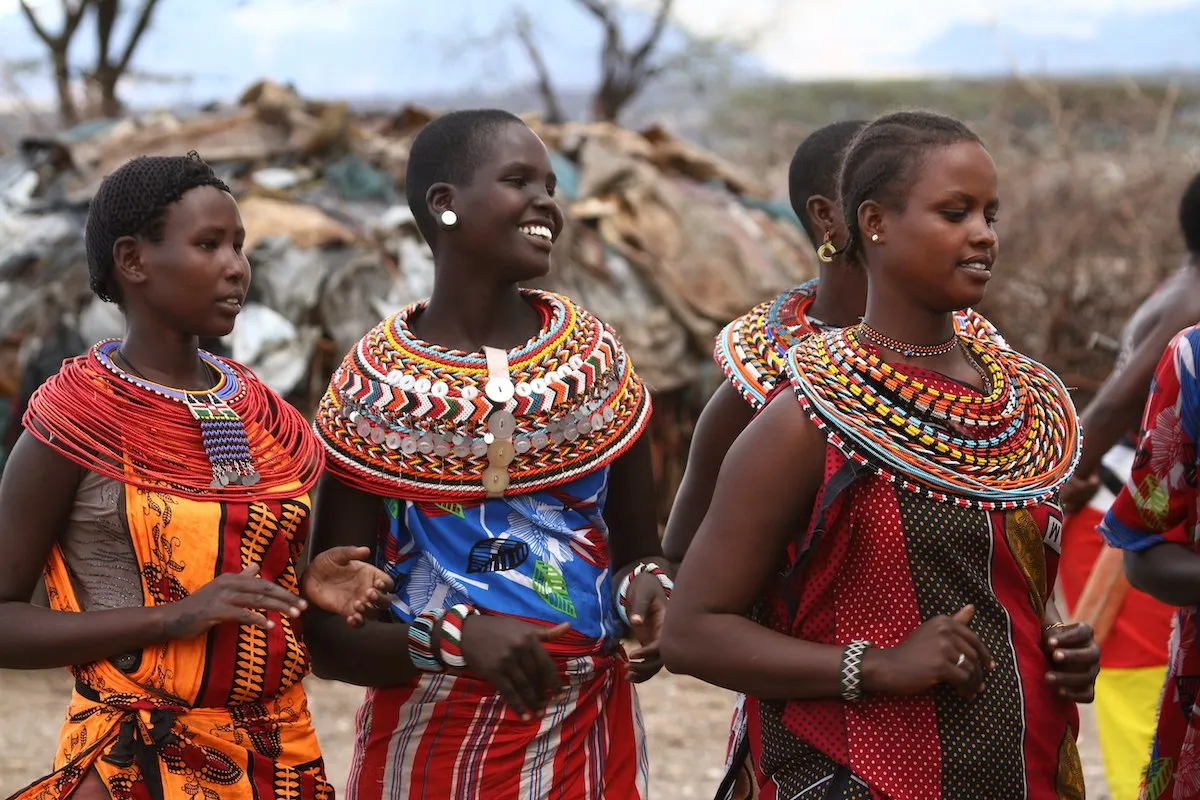
Storytelling is universal and is as ancient as humankind.Culture Before there was writing, there was storytelling. It occurs in every culture and from every age. It exists (and existed) to entertain, to inform and to promulgate cultural traditions and values.
Oral storytelling is telling a story through voice and gestures. Culture The oral tradition can take many forms, including epic poems, chants, rhymes, songs, and more. Not all of these stories are historically accurate or even true. Truth is less important than providing cultural cohesion. It can encompass myths, legends, fables, religion, prayers, proverbs and instructions.
Here are some examples of storytelling as a method of passing down cultural traditions.
Choctaw Storytelling


Like all Native American tribes, the Choctaw have an oral storytelling tradition going back generations. Lifestyl Their stories were intended to preserve the tribe’s history and educate the young. For example, the Choctaw oral tradition includes two creation stories:Culture One relates to migration from the west and another to creation from a mound. In addition, the oral tradition includes history as well as life lessons or moral teachings. Many of the Choctaw traditional tales employ animal characters to teach such lessons in a humorous vein.
Native Hawaiian Storytelling
The Native Hawaiian word for story is “moʻolelo,” but it can also mean history, legend, tradition, and the like. It comes from two words, mo’o, meaning succession, and olelo, meaning language or speaking. Thus, story is the “succession of language,” since all stories were oral. Native Hawaiian stories included the tale of the first Hawaiian, who was born from a taro root. Other stories tell of navigation across the seas.
Traditionally, Native Hawaiian storytellers, who knew history and genealogy, were honored members of society. Hawaiian storytelling was not limited to words alone—it included talking but also encompassed mele (song), oli (chant) and hula (dance).
Hawaiians valued the stories because they were not only entertaining, but they also taught the next generation about behavior, values, and traditions.
Festivals that Light Up the World

Have you ever heard of the Lantern Festival in China? During this beautiful event, people release glowing lanterns into the night sky, symbolizing letting go of the past and embracing new beginnings.Culture
It’s a spectacular sight! Or how about Diwali in India, the festival of lights, where people light oil lamps to celebrate the victory of good over evil?
From Brazil’s lively Carnival to Japan’s Cherry Blossom Festival, every culture has a unique way of celebrating life. Learning about these festivals not only brings joy but also teaches us the values behind these celebrations—whether it’s hope, love, or community.
. Global Cultural Philosophies: Comparing Traditions Across Borders
To understand how different societies navigate life, family, and community, take a look at this detailed comparison table highlighting major cultural philosophies across the world:
| Cultural Concept & Region | Traditional Meaning | How It Expresses in Daily Life | The Deep Human Value Behind It |
| Ikigai (Japan) | “A reason for being” or finding joy in life’s daily purpose. | Waking up with a clear, small daily goal; taking pride in meticulous craftsmanship and simple tasks. | Promotes longevity, daily mindfulness, and quiet fulfillment without grand social pressure. |
| Ubuntu (Southern Africa) | “I am because we are”—humanity toward others. | Sharing meals generously, supporting neighbors during hard times, and raising children as a collective. | Emphasizes community solidarity, deep empathy, and shared responsibility over isolation. |
| Hygge (Denmark / Scandinavia) | Creating a warm, cozy atmosphere and enjoying good things with good people. | Lighting candles, sharing warm coffee by the fire, dressing comfortably, and enjoying simple conversations. | Prioritizes mental peace, cozy relaxation, and low-stress human connection over status. |
| Atithi Devo Bhava (India) | “The guest is equivalent to God.” | Welcoming visitors into homes with open arms, serving tea and food before self, and boundless hospitality. | Cultivates unconditional warmth, generosity, and respect for every soul entering your space. |
A Taste of Tradition

Food is an essential part of every culture, and each country has its own special dishes that tell a story. In Italy, pasta is more than just a meal; it’s a family tradition passed down through generations. Meanwhile, in Japan, sushi is carefully prepared with respect for the ingredients and is considered an art form.
In Mexico, people celebrate “Día de los Muertos” (Day of the Dead) by making “Pan de Muerto,” a sweet bread that honors loved ones who have passed away. Culture And did you know that in Ethiopia, meals are eaten with injera, a type of flatbread that doubles as a spoon?
By exploring global cuisine, you not only get to enjoy different flavors but also learn about the history and culture behind each dish.
Languages That Connect Us
Imagine being able to say “hello” in 10 different languages! Each language tells its own story and shapes how people see the world. For example, in France, people greet each other with a friendly “Bonjour!” while in Japan, it’s a polite “Konnichiwa.”
Learning about different languages helps us communicate better and appreciate the beauty of how words can express feelings, emotions, and ideas in so many ways. Plus, it’s always fun to surprise people by greeting them in their native language.
Games and Sports from Around the World

Did you know that sports like soccer (or football, as it’s called outside the U.S.) are played in almost every country? But some cultures have their own Culture traditional games that are just as exciting! In South Korea, people play “Jegi Chagi,” a game where they try to keep a small shuttlecock in the air using only their feet.
In New Zealand, children learn to play “Ki-o-rahi,” a fast-paced sport based on Māori legend. Games and sports help people stay active while also connecting them to their heritage.
. The Sinhalese, Sri Lanka
The Sinhalese people are native to Sri Lanka and constitute about 75% of the Sri Lankan population. Their culture dates back over 2600 years, is referenced in ancient Buddhist texts, and is still preserved today even after years of colonial rule. Culture Performing arts is a key part of Sinhalese culture, particularly the ritualistic Kandyan dance.]
Meet the Sinhalese and experience a Kandyan dance on the Classical Sri Lanka tour.
. The Sami, Scandinavia
The Sami are known as the last indigenous people of Europe. Few things are as important to the Sami as the sacred reindeer, whose influence is evident in the Sami’s language, games, and songs. Their whole culture and economy circles around this Arctic deer, and they have long worked as reindeer herders. Culture They mainly live in an area in northern Scandinavia called Sápmi.
Step into the home of a Sami family and learn about their ancient art of reindeer herding on one of our European vacation packages, like the Scandinavian heritage tour.
he main traditions in different cultures:

- Holidays and festivals
- Religious rites
- Family customs
- Culinary traditions
- Clothing and jewellery
- Music and dancing
- Rituals and ceremonies
In fact, each culture has its own unique holidays and festivals that reflect its history, religion and customs. For example, Carnival in Brazil, Independence Day in the United States, St. Culture Patrick’s Day in Ireland and Diwali in India.
In this article, we’ll be exploring 25 fascinating cultural traditions from around the world during holidays and festivals, showcasing the importance of understanding cultural diversity and the need for cultural translation and localization.
Chinese New Year – China
Chinese New Year, also known as the Spring Festival, is the most important traditional holiday in China. It’s celebrated on the first day of the ChineseCulture lunar calendar, which usually falls between late January and mid-February. The festival is marked by family reunions, exchanging red envelopes with money, and eating traditional Chinese food like dumplings and glutinous rice cakes.
Key traditions include the Reunion Dinner, where families gather for a lavish meal. Red decorations symbolize luck and drive away evil spirits. Fireworks and firecrackers are set off to celebrate and scare away negativity. Lion and dragon dances bring good fortune.
Red envelopes with money are given to children and unmarried individuals. Visiting relatives and friends, temple visits, and the Lantern Festival are also common. Chinese New Year embodies unity, gratitude, and hope as people welcome the new year with joy and seek blessings of prosperity and happiness.
. Day of the Dead – Mexico
Dia de los Muertos, or Day of the Dead, is a holiday that celebrates the lives of loved ones who have passed away. It’s celebrated on November 1st and 2nd and is a time for families Culture to gather and remember their ancestors. Day of the Dead traditions involve creating elaborate altars, known as ofrendas, adorned with marigolds, candles, and favourite foods of deceased loved ones, and visiting cemeteries to honour and remember them. Families also gather to share stories, music, and laughter while celebrating the eternal bond with their ancestors.
Different Cultures in Europe
With the Arctic Ocean to its north, the Atlantic Ocean to its west, and the Mediterranean Sea to its south, Europe is the second-smallest continent in terms of land size but has the third-most people. There are 44 countries on the continent, each with a unique history, a diverse range of cultures, and a wide variety of different people.
Europe has a wide variety of stunning countries to explore especially for culture lovers. European culture is incredibly diverse and rich, reflecting the many different languages, traditions, and customs of the continent’s people.
In our collection of more than 50 interviews and feature stories on the culture of Europe, we bring to life the history and cross-cultural influences that have shaped some of the world’s most distinctive traditions and practices, ranging from Cornwall, Ireland and Scotland in the U.K., to Slovenia in Central Europe.
We also delve into the lifestyles of the Mediterranean with pieces that explore Croatia, Cyprus, France, and Malta.
FAQs
Q1. What is culture, and why is it important?
Culture includes the traditions, beliefs, language, food, art, and customs that shape the way people live. It helps people understand their roots and connect with their communities.
Q2. What are some examples of cultural traditions around the world?
Examples include Diwali celebrations in India, the Japanese tea ceremony, Chinese New Year, Mexican Day of the Dead, and traditional music and dance from different countries.
Q3. How do cultures differ around the world?
Cultures differ in language, clothing, food, festivals, family customs, music, and ways of celebrating important occasions. These differences make every culture special.
Q4. Why is it important to learn about other cultures?
Learning about other cultures helps us respect different lifestyles, understand new perspectives, reduce misunderstandings, and appreciate the diversity of the world.
Q5. How can we explore different cultures?
You can explore different cultures by travelling, trying traditional foods, reading cultural stories, attending festivals, learning languages, and talking with people from different backgrounds.



Leave a Reply