
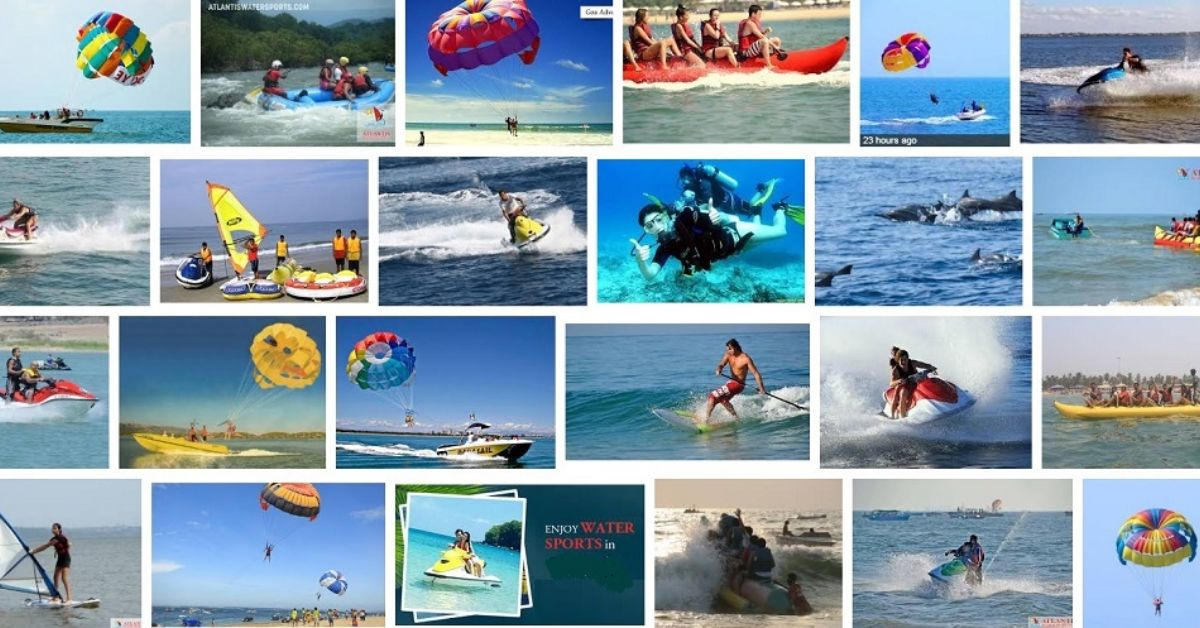
Beach holidays have a Water Sports pattern. Day one, you’re thrilled to be there. Day two, you’re still thrilled, with a coconut in hand. By day three you’ve read the same page of your book four times, and you keep glancing at the people zipping past on jet skis like they know something you don’t.
They do, actually. Water sports are one of the easiest ways to turn a lazy trip into a story you’ll tell for years. And in 2026 Adventures, with more rental shops, better-trained instructors and beginner-friendly packages in most tourist spots, there’s very little reason to keep watching from the sand.
Here’s a rundown of the activities worth trying this year, what they really feel like, and a few things that nobody mentions in the brochure.
First, a Quick Honest Question

How do you feel about deep water? Your answer decides where to begin.
If the thought of deep water makes your stomach flip, that’s fine, and plenty of people feel the same. Start with something where you’re seated and secured, like kayaking or a banana boat. If you’re comfortable swimming and just want more thrill, go straight to the faster stuff. And if you want something calm that also tires you out in a good way, paddleboarding is hard to beat.
One thing applies to everyone, though. You should be able to float and tread water for a couple of minutes. A life jacket is a backup, not a substitute for basic comfort in water.
Easy Starters That Still Feel Like an Adventure
Stand-Up Paddleboarding
Everyone looks wobbly for the first ten minutes. You kneel on the board, stand up slowly with the paddle like you’re trying not to wake a sleeping baby, and then somehow it clicks. Most people are upright within a quarter of an hour, and the first splash into the water usually ends in laughter, not fear.
Calm backwaters, lakes and sheltered bays work best. Kerala’s backwaters and quiet coves near Goa are popular for this. Try to go early. By late morning the wind picks up, and paddling into a breeze feels like a bad workout, not a holiday.
Kayaking
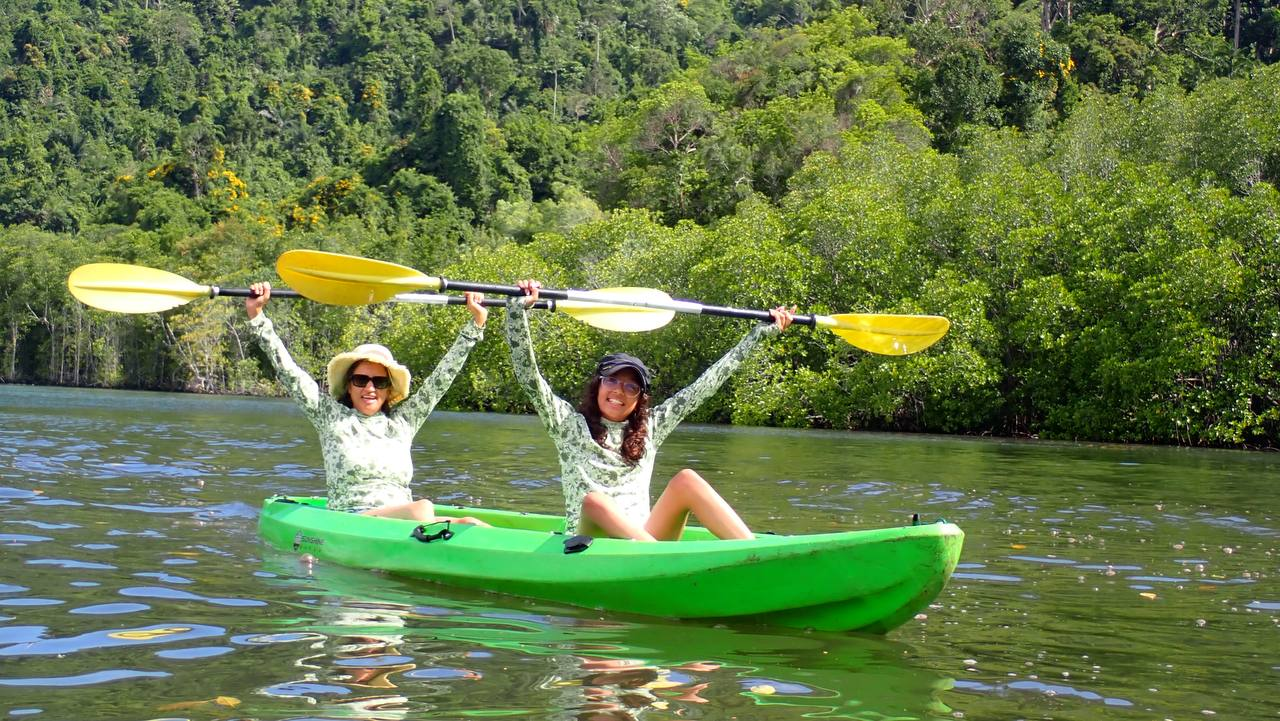
Kayaking is the friendliest sport on this list. Couples do it, families do it, solo travellers do it. For a first attempt, pick a sit-on-top kayak. They’re stable, and if you tip, you simply climb back on.
The real magic is access. A kayak takes you into mangroves, sea caves and small islands that bigger boats can’t reach, and the silence out there is something you don’t get on land. Wear a hat even if the sky is cloudy, because the water bounces sunlight back at you and the burn sneaks up fast.
Snorkelling
Face in the water, breathe through a tube, and suddenly there’s an entire underwater world beneath you. Clownfish, parrotfish, sometimes a turtle that doesn’t care about you at all. Reefs in the Andaman Islands, Lakshadweep and parts of Southeast Asia are known for this during the right season.
Most people panic for the same reason: a bit of water gets into the snorkel. Practise in shallow water first, and learn the short, sharp puff of breath that clears it. After that, it’s surprisingly relaxing, almost like floating in a quiet aquarium.
When You Want Your Heart Rate Up

White Water Rafting
There’s something about paddling with a group of strangers, shouting “forward!” on command, that bonds people quickly. By the third rapid, everyone’s yelling and laughing like old friends.
Rapids are graded from I to V, and beginners should stick with Grade II or III. Rishikesh is the usual choice in India, with the main season generally running from around September to June, though water levels and local rules decide the actual dates. Whatever place you pick, check that the company provides helmets, life jackets and a trained guide. If they don’t, walk away.
Jet Skiing
It’s quick, loud and very easy to enjoy. After a short briefing, you’re on the water, and the first time you open the throttle there’s usually a grin you can’t help.
Just remember how much power is under your hands. Stay inside the marked zone, keep well away from swimmers, and don’t ride toward the horizon like you’re in a movie. Most injuries happen because someone got overconfident in the first five minutes.
Parasailing
This is the one for people who want a thrill but not a workout. A boat pulls you up into the air, and from up there the coastline looks like a postcard. Surprisingly, it’s peaceful. The wind drops away and all you hear is a faint hum.
Ask about weight limits and wind conditions before paying. A good operator cancels when the weather turns, and when they do, don’t argue.
Wakeboarding and Water Skiing
Fair warning: you’ll fall, a lot. Probably in the first ten attempts. Your forearms will burn and you’ll swallow a little lake water. But when you finally stay up for even ten seconds, it feels like winning something.
If you’re a beginner, look for a cable park instead of a boat setup. The speed is lower and the pace is more forgiving. Don’t plan anything strenuous the next morning, because your arms won’t cooperate.
The Bucket-List Ones
Scuba Diving
Plenty of people plan an entire trip around a dive, and once you try it, you’ll see why. Most places offer a discover scuba session where an instructor stays beside you, and no certification is needed. If you get hooked, an Open Water course takes a few days and opens up dive sites around the world.
Goa, the Andamans and Lakshadweep are popular in India, while the Maldives, Thailand and the Red Sea are well-known abroad. One small tip: ask how many people are in each group. Smaller groups usually mean better attention, and that’s worth paying a little extra for.
Kitesurfing
Kitesurfing is not something to learn from a YouTube video. The kite generates real power, and a few proper lessons are essential. Expect a few days before you can ride confidently.
Still, there’s a reason people travel across continents for it. Shallow, windy lagoons are the best places to learn, and once the kite lifts you off the water, you understand the obsession.
Surfing
Your first surf lesson will mostly be lying on the board and paddling. Then a wave arrives, the instructor yells “now!”, and for a second you’re standing. It might last two seconds, and you’ll still talk about it all evening.
Choose a beach with long, gentle breaks, and book a lesson instead of renting a board alone. Instructors can read the ocean in a way you can’t yet.
Timing Matters More Than You’d Think

A lot of disappointing water sports trips come down to bad timing. Monsoon months often close sea activities for safety, and river sports depend on water levels. Roughly, October to March works well for beach activities, snorkelling and diving along both Indian coasts and the islands, while calm backwater activities like kayaking and paddleboarding can run year-round in some regions, though rain affects comfort and visibility.
Rules and conditions can change, so check local advisories before you book. A decent operator will tell you honestly if the day isn’t right, even if it costs them a booking.
Safety Without the Lecture
Most accidents in water sports are preventable, and a few habits help.
Pick an operator with a solid reputation. Read recent reviews, look at how old the equipment seems, and pay attention to the briefing. Rushed instructions and tattered life jackets are clear warning signs.
And actually listen during the safety talk, even if you’ve heard something similar before. Those few minutes on hand signals and what to do if you fall are the most valuable part of the session.
Also, be honest with yourself on the day. If you’re tired, anxious or hungover, skip it. Alcohol and water sports don’t mix, and a little dehydration makes everything harder.
For packing, a waterproof phone pouch, reef-safe sunscreen, a quick-dry towel and a spare set of clothes cover most needs. A small dry bag is worth its weight.
What It Costs, and How to Save
Prices swing a lot depending on the place and season. Banana boat rides and kayak rentals are usually modest. Scuba, kitesurfing and multi-day courses cost much more because of equipment and instructor time.
To save money without cutting corners, look for combo packages, travel in shoulder season when demand drops, and compare two or three operators before paying. Just don’t choose purely on the lowest price. A cheap session that skips safety checks isn’t a bargain.
Mixing It Up on a Long Weekend

You don’t need to go big on every day. A calm paddleboard session at sunrise followed by a jet ski or parasailing ride in the afternoon gives you the best of both. On a longer trip, spend a few days on the coast for snorkelling and kayaking, then head to a river town for rafting. Switching between gentle and intense keeps your body from wearing out and helps you figure out what you actually enjoy.
FAQ’s
Q1. What are the best water sports adventures to try in 2026? Scuba diving, snorkeling, jet skiing, kayaking, surfing, parasailing, and river rafting are popular water sports to try.
Q2. Which water sports are best for beginners? Kayaking, snorkeling, and guided paddleboarding are good options for beginners, depending on local conditions and safety requirements.
Q3. Where can I enjoy water sports in India? Goa, Andaman and Nicobar Islands, Lakshadweep, Rishikesh, and parts of Kerala offer different water-based adventure activities.
Q4. How much do water sports activities cost in India? Prices vary by destination, activity, season, and operator, so check current rates before booking.
Q5. Do I need swimming skills for water sports? Not always. However, some activities require swimming ability, and non-swimmers should inform their instructor and use suitable safety equipment.



Leave a Reply