
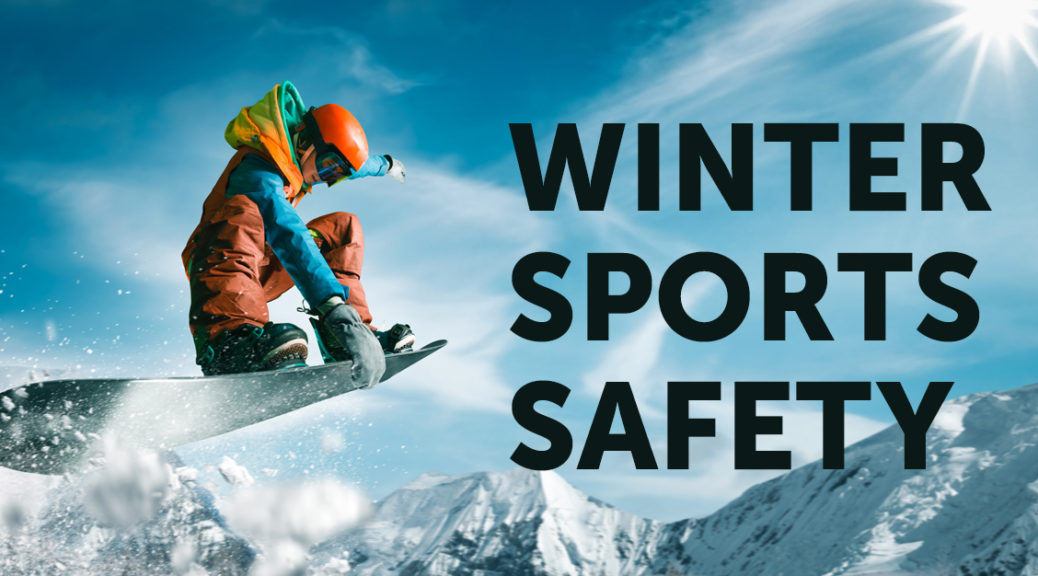
Every winter, the same scene plays out in snow towns around the world. A group of friends arrives from the plains, steps out of the car, and sees real snow for the first time in years. Phones come out. Someone throws a snowball. Someone else is already asking where they can rent skis. The excitement is real, and honestly, it’s the best part of the trip.
But snow is also quietly demanding. The air is thin, the temperature drops faster than the forecast says it will, and the ground is slippery in ways that flat-ground experience doesn’t prepare you for. Add rented boots you’ve never worn, a slope you’ve never seen, and a body that’s been sitting at a desk for eleven months, and you can see why mountain clinics are busy in January.
Here’s the part that surprises people: most winter sports injuries aren’t dramatic. There’s no giant avalanche or cliff fall. It’s a twisted knee on an easy run at 3:30 pm. It’s frozen fingers because the gloves were fashionable but not warm. It’s a headache that someone ignored at high altitude because they didn’t want to miss a day on the slopes.
That’s actually good news, because small problems have small fixes. You don’t need to be an athlete or a mountaineer to enjoy winter sports safely. You need the right layers, a helmet that fits, a bit of basic knowledge, and the sense to stop when your body says stop. Whether you’re planning your first ski lesson at Gulmarg or Auli, a snowboarding holiday in the Alps, or a family day out near Manali, this winter sports guide walks through what matters most, in plain language, so the trip stays fun from the first snowball to the last.
Why Accidents Happen (It’s Rarely the Hard Slope)

Ask anyone who works on a ski patrol and they’ll say much the same thing. The serious incidents usually aren’t on the black runs, where people are alert and careful. They happen on gentle, wide, friendly slopes, late in the day, when legs are tired and attention has drifted.
Three things show up again and again: fatigue, speed and poor preparation. Once you know that, you can plan around it. Start early, stop early, and match the run to your energy, not your ego.
Get Your Body Ready First
Skiing and snowboarding work the thighs, hips, core and the small stabilizing muscles around your knees and ankles. Desk jobs let those go quiet. If you arrive unprepared, you’ll feel it by lunchtime, and tired legs don’t turn when you need them to.
You don’t need a gym. Squats, lunges, planks and brisk walking, three or four times a week for about three weeks, will make a noticeable difference. If you have a heart condition, asthma, or a history of knee or back trouble, talk to your doctor before you book, particularly for high-altitude destinations.
Altitude is real
Many snow destinations sit above 2,500 metres. A headache, nausea, poor sleep or unusual breathlessness can be early signs of altitude sickness. Keep the first day easy, drink plenty of water, and skip alcohol when you arrive. If symptoms get worse instead of better, going down to a lower altitude is the safest step, and anything severe needs medical help.
Check your insurance
It’s dull, but worth five minutes. Many standard travel policies exclude skiing, snowboarding or off-piste activity, and mountain rescue can be expensive. Read the fine print before you leave, not after.
Dress for the Cold, Not the Camera
When first-timers say they were freezing, it’s usually a clothing problem. A thick jacket over a cotton T-shirt is the classic mistake.
Think in three layers:
- Base layer: a snug thermal that wicks sweat. Avoid cotton, which stays wet and cold.
- Middle layer: fleece or light down for warmth.
- Outer layer: a waterproof, windproof jacket and trousers.
The point of layers is flexibility. Take one off while you’re climbing or walking, and put it back on when you stop. Sweating and then standing still in the wind is the fastest way to get dangerously chilled.
Fingers, toes, ears and nose lose heat first. Wear insulated waterproof gloves (mittens are warmer), a hat or helmet liner, and one good pair of wool or synthetic socks. Only one pair. Two pairs squeeze your feet and reduce circulation, which actually makes them colder.
And don’t skip eye protection. Snow reflects UV light strongly, and snow blindness is painful even on a cloudy day. Goggles or good sunglasses, plus sunscreen and lip balm, belong in your pocket.
Gear That Fits Beats Gear That Winter Looks Good

If you spend money on only one thing, make it a helmet. It won’t make you invincible, but it lowers the risk of head injury. It should sit snug and not tilt when you shake your head.
Boots matter next. A boot that’s too loose or too tight ruins your control and gives you blisters, so don’t accept “it’ll settle in.” At the rental counter, give honest numbers for your weight, height and ability. Bindings are set using that information, and a beginner who says “intermediate” can end up with bindings that don’t release in a fall.
Snowboarders should consider wrist guards, since landing on an outstretched hand is the classic beginner injury. A small backpack with water, snacks, spare gloves and a charged phone is also smart. Cold drains batteries fast, so keep your phone in an inner pocket.
Take the Lesson
“My friend will teach me” is a popular plan, and a risky one. Friends tend to pick a slope that’s too steep, ski ahead, and shout advice from below.
A certified instructor focuses on what actually keeps you safe: how to fall, how to stop, and how to control your speed. Falling is a skill. Try to go down sideways or backward, keep your arms tucked in, and don’t try to catch yourself with your hands. Stay loose, because stiff bodies get hurt more easily.
Even if you skied a few years ago, a quick refresher on day one is worth it. Confidence comes back much faster than skill, and that gap is where injuries happen.
Slope Rules Exist for a Reason
Resorts follow a shared code because collisions are a common cause of injury. The basics:
- Ride at a speed where you can always stop or steer around people.
- The person downhill has right of way, so if you’re behind someone, avoiding them is your job.
- Look uphill before you start or merge.
- Don’t stop in the middle of a run or just below a crest. Move to the side.
- Stay on marked trails and respect closed signs and ropes. They usually mean cliffs, rocks or avalanche terrain.
If you reach the top and the slope looks steeper than you expected, there’s no shame in taking your skis off and walking down. Everyone has done it, and nobody remembers.
Cold Injuries: Know the Early Signs
Frostbite often starts quietly with numbness, tingling, or skin that looks pale, waxy or greyish. If you notice it, go indoors, take off wet clothes, and warm the area gently with body heat or lukewarm water. Don’t rub it, and don’t use a heater or hot water, because numb skin can burn without you feeling it. Blisters or dark patches need medical attention.
Hypothermia is more serious. Constant shivering, slurred speech, confusion and clumsy movement are warning signs. Get the person out of the wind, replace wet clothing with dry, give a warm drink if they’re fully alert, and call for help if they don’t improve quickly.
Going Off-Piste? Different Winter Rules Apply

Inside resort boundaries, patrol teams manage avalanche risk. Outside them, that safety net disappears.
- Never go alone.
- Check the local avalanche bulletin, if one exists.
- Carry a transceiver, probe and shovel, and practice with them beforehand. Owning the kit without training is almost useless.
- Be careful on slopes of roughly 30 to 45 degrees after heavy snow or fast warming.
- Hire a certified local guide if you don’t know the terrain.
An avalanche safety course is the best money you can spend before leaving groomed trails.
Other Snow Activities, Other Risks
Sledding is best on a gentle slope with a clear run-out and no trees, rocks or roads. Kids should wear helmets and sit upright.
Frozen lakes and rivers should be treated as unsafe unless local authorities or experienced guides confirm otherwise. Thin ice looks exactly like thick ice.
Snowmobiling and alcohol don’t mix, and speed with poor visibility is worse. Wear a helmet and stick to marked routes.
Winter hiking needs an early start because daylight disappears fast. Carry a headlamp, extra layers and an offline map, and tell someone your route and return time.
Water, Food and the “One Last Run” Problem
Cold weather hides thirst. You sweat under layers and lose moisture to dry mountain air, but you rarely feel like drinking. Sip water through the day, and carry tea or soup in a flask if you can. Eat proper meals with carbohydrates and protein, and keep nuts or chocolate in your pocket.
Then comes the hardest part: stopping. A lot of accidents happen on the “one last run.” If your legs feel wobbly or your focus is slipping, that’s your answer. Alcohol deserves a warning too, since even one drink at lunch affects balance, judgment and body temperature. Celebrate after your boots are off.
If Something Goes Wrong

- Stop and assess. Don’t move an injured person unless there’s immediate danger.
- Mark the spot. Cross skis or poles uphill of them so others can see.
- Call for help. Ski patrol numbers are printed on trail maps and lift passes, so save the number when you arrive. With no signal, send someone to the nearest lift station or patrol hut.
- Keep them warm. Add layers and put something between them and the snow.
- Hold off on food and drink if the injury could be serious.
FAQ’s
1. How can I stay safe during winter sports?
Wear suitable protective equipment, dress in warm layers, check the weather forecast, and follow instructions from trained instructors. Choose activities that match your fitness and experience level, and stop if conditions become unsafe.
2. What should I wear for snow adventures?
Wear moisture-wicking base layers, an insulating middle layer, and a waterproof, wind-resistant outer layer. Choose insulated gloves, warm socks, suitable winter boots, and a helmet when required. Avoid cotton next to your skin because it can retain moisture and make you colder.
3. Why is a helmet important for skiing and snowboarding?
A properly fitted helmet helps reduce the risk of serious head injury during falls and collisions. Use a helmet designed for your activity and follow the resort’s safety rules. A helmet cannot prevent every injury, so ride within your ability and maintain a safe distance from others.
4. How can I prevent frostbite in freezing weather?
Cover exposed skin, wear dry insulated gloves and footwear, and take regular breaks in a warm place. Watch for numbness, unusual skin colour, or hard and waxy-looking skin. If frostbite is suspected, get out of the cold, avoid rubbing the affected area, and seek urgent medical help.
5. What is the best way to prevent hypothermia?
Keep yourself dry, wear layers, eat regularly, and drink fluids. Watch for uncontrollable shivering, confusion, unusual tiredness, or poor coordination. These can be signs of hypothermia. Move the person to shelter, remove wet clothing when possible, warm the body gently, and seek emergency medical assistance.



Leave a Reply