

aking off on a big adventure travel trip is the ultimate way to break out of daily monotony, push your boundaries, and build incredible life memories.Ultimate Adventure Whether you’re craving high-altitude trekking, white-water rafting, or navigating ancient jungle trails, planning an adventure trip requires a smart mix of preparation, the right gear, and an open mind.
This guide provides practical strategies, safety Ultimate Adventure fundamentals, and essential packing checklists to help you turn your next big expedition into a seamless, unforgettable success.
There’s a special kind of excitement that comes with planning an adventure. Ultimate Adventure Maybe you’re picturing a trek through misty mountains, a raft ride down a roaring river, or a road trip with nothing but open roads ahead. Your heart beats a little faster just thinking about it.
But adventure trips also need more planning than a regular holiday. Ultimate Adventure The good news is that it isn’t difficult once you know the basics. In this guide, we’ll walk through everything in simple language, from choosing your adventure to staying safe and enjoying every moment.
Choose the Adventure That Fits You


Adventure means something different to everyone. For one person it’s a challenging mountain trail, for another it’s a calm kayak ride at sunrise. Before you book anything, think about what actually excites you, not what looks good on social media. A trip you genuinely enjoy beats a famous one you struggle through.
Trekking and Hiking
Walking through forests,Adventures valleys, and mountain paths is one of the best ways to see nature up close. Beginners can start with short, well-marked trails and slowly work towards harder routes.
- Start with one-day or two-day treks to test your stamina
- Choose trails with clear paths and regular visitors
Water Adventures
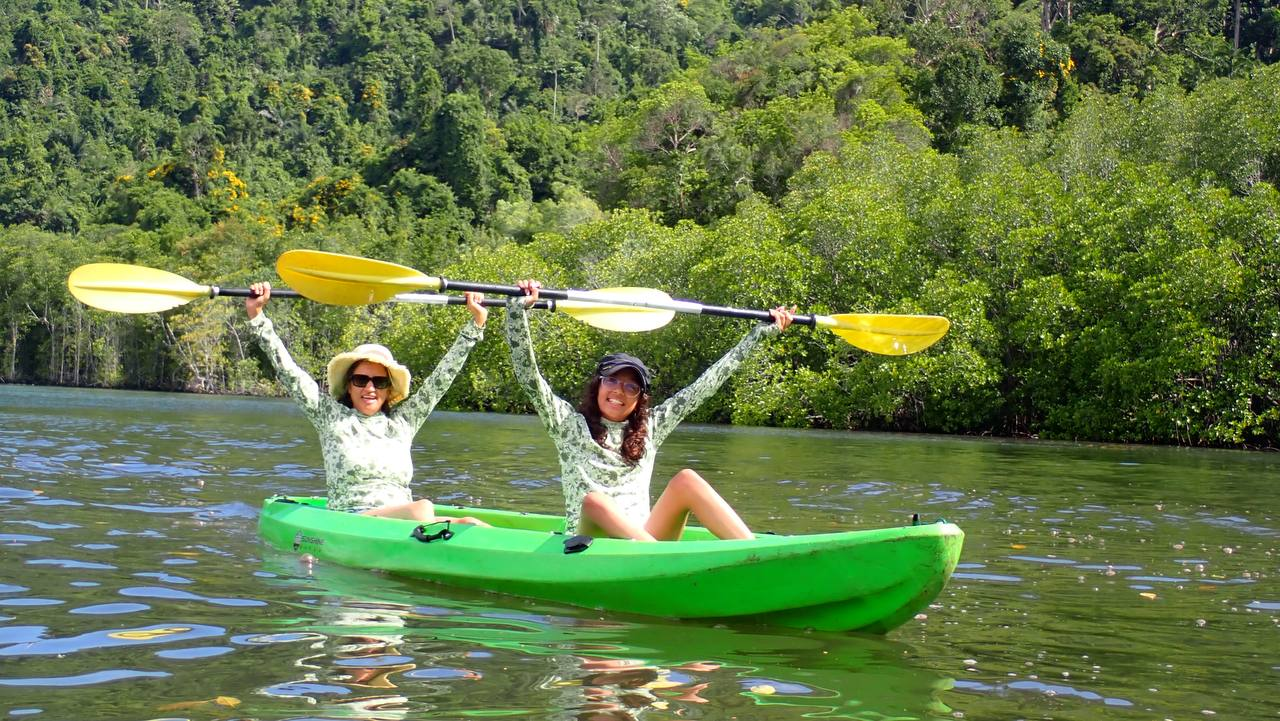
Rafting, kayaking, snorkelling, and scuba diving let you explore rivers and seas in an exciting way. Adventures Many places offer beginner-friendly sessions with trained instructors.
- Check that you’re comfortable around water before signing up
- Always wear the life jacket and safety gear provided
Wildlife and Road Trips
Jungle safaris and long drives suit people who love a mix of comfort and thrill. You get plenty of scenery without needing great physical strength.
- Book safaris in advance during busy seasons
- Plan fuel stops and rest breaks on long road routes
Be Honest About Your Fitness and Experience

This is the part many people skip, and it’s where problems often begin. Adventure trips can be physically demanding, and pushing yourself too far in unfamiliar places is risky.Adventure Being honest about your fitness doesn’t mean you can’t go. Ultimate Adventure It simply means choosing a trip that matches your level and preparing for it properly.
Start training at least a month before the trip. Short daily walks, stair climbing, light jogging, and stretching help your body adjust. If you have any health condition, speak to your doctor before booking anything strenuous.
- Build up stamina with 30 minutes of walking or jogging most days
- Practise carrying a loaded backpack on short walks
- Choose a trip slightly below your limit, not above it
Plan Your Route and Timing Carefully


A great adventure starts Adventures long before you leave home. The place, the season, and the schedule decide how smooth or stressful your trip will be. Rushing this part is the quickest way to end up stuck in the rain, in the dark, or in the wrong place.
Pick the Right Season
The same trail can be Adventure magical in one month and dangerous in another.Adventures Heavy rain, snow, or extreme heat can close routes or make them unsafe, so always check what’s best for your destination.
- Research the weather pattern for your travel dates
- Avoid monsoon or heavy snow periods for high-risk activities
Keep Buffer Days
Flights get delayed, roads get blocked, and weather Adventure changes quickly in remote places. An extra day or two in your plan keeps stress away and lets you handle surprises calmly.
- Add at least one spare day to your itinerary
- Don’t schedule important flights right after your adventure
Pack Smart, Not Heavy
A heavy bag makes every step harder, and a missing essential can ruin a whole day.Adventures The trick is to carry what you truly need and nothing more. Think in layers, pack light, and choose items that can do more than one job.
| Item | Why You Need It | Smart Tip |
|---|---|---|
| Sturdy, broken-in shoes | Protect your feet on rough ground | Wear them on short walks before the trip |
| Layered clothing | Weather can change quickly | Pack thin layers over one bulky jacket |
| First-aid kit | Handles cuts, blisters, and small problems | Add personal medicines and electrolytes |
| Power bank and torch | Phones die and nights get dark | Carry spare batteries in your hand luggage |
| Reusable water bottle | Staying hydrated keeps you going | Fill it at every safe water point |
Quick Tip: Do a full practice pack a week before you leave. If your bag feels heavy at home, it’ll feel twice as heavy on the trail.
Put Safety First, Always


Adventure is about fun, but it’s only fun when everyone comes home safe.Adventures Most serious problems happen because people ignore simple safety steps. None of these are difficult, and they can make all the difference in an emergency.
Tell Someone Your Plan
Share your route, hotel details,Adventure and expected return time with a family member or friend. If something goes wrong, someone knows where to look.
- Send your itinerary before leaving
- Check in whenever you have network signal
Learn Basic First Aid
Knowing how to clean a wound, treat a sprain, or recognise signs of exhaustion can help you or a fellow traveller. A short first-aid course is time well spent.
- Learn to spot signs of dehydration and heat exhaustion
- Know the local emergency number for where you’re going
Choose Reliable Guides and Operators
For activities like trekking, rafting, diving, or paragliding, the people running them matter just as much as the place itself.Ultimate Adventure A trained, experienced guide knows the terrain, reads the weather, and handles emergencies calmly. A careless operator can turn a dream trip into a scary one.
Read recent reviews, ask about safety training, and check that equipment looks well-maintained. If a price seems too cheap or the staff seems careless about safety, walk away.Adventure A few extra rupees spent on a trusted operator are always worth it.
- Look for registered and licensed operators
- Ask about guide experience and group size
- Check that safety gear is provided and in good condition
Budget and Paperwork Made Simple

Adventure trips can cost more than people expect, thanks to gear, permits, transport, and guides. Planning your money in advance keeps the trip enjoyable instead of stressful.Adventure And don’t forget the paperwork, since many trails and parks need permits.
Set a Realistic Budget
List all the big costs first, then add a little extra for surprises.Ultimate Adventure It’s always better to have leftover money than to run short in a remote place.
- Keep some cash, since remote areas may not have ATMs
- Add 10 to 15 percent extra for unexpected expenses
Sort Out Permits and Insurance
Some national parks, treks, and border areas need permits or entry passes. Adventures Travel insurance that covers adventure activities Ultimate Adventure is also a smart move, since normal policies may exclude them.
- Apply for permits early,Ultimate Adventure as some take days to process
- Read what your insurance covers and what it doesn’t
Here’s a rough way to think about where your money goes:
| Expense | What It Covers | Planning Tip |
|---|---|---|
| Transport | Flights, trains, buses, local taxis | Book early for better options |
| Stay | Hotels, hostels, camps, homestays | Mix budget and comfortable nights |
| Activities | Guides, gear rentals, entry fees | Compare a few trusted operators |
| Food | Meals, snacks, water | Try local places for better value |
| Emergency fund | Delays, medical needs, changes | Keep it separate and untouched |
Respect Nature and the People Who Live There

The places we visit are someone’s home, and the wild areas we enjoy are fragile. Good adventurers leave Adventure nothing behind but footprints.
Leave No Trace
Carry back your waste, including wrappers and plastic bottles.Adventure Stay on marked trails so you don’t damage plants, and never disturb animals for a better photo.
- Pack a small bag for your trash
- Keep a safe distance from wildlife
Support Local Communities
Eat at small local places, hire local guides, and buy handmade items. Adventure Learn a few words of the local language and dress respectfully.
- Ask permission before photographing people
FAQs
1. What is adventure travel?
Adventure travel includes exciting activities like hiking, camping, rafting, and trekking.
2. How do I plan an adventure trip?
Choose a destination, set a budget, check the weather, and prepare an itinerary.
3. What should I pack for adventure travel?
Pack comfortable clothes, sturdy shoes, water, snacks, a first-aid kit, and essential travel documents.
4. Which adventure activities are best for beginners?
Easy hiking, guided nature walks, and beginner-friendly camping are great options.
5. How can I stay safe during an adventure trip?
Follow local safety rules, check weather conditions, and use trained guides when needed.



Leave a Reply