
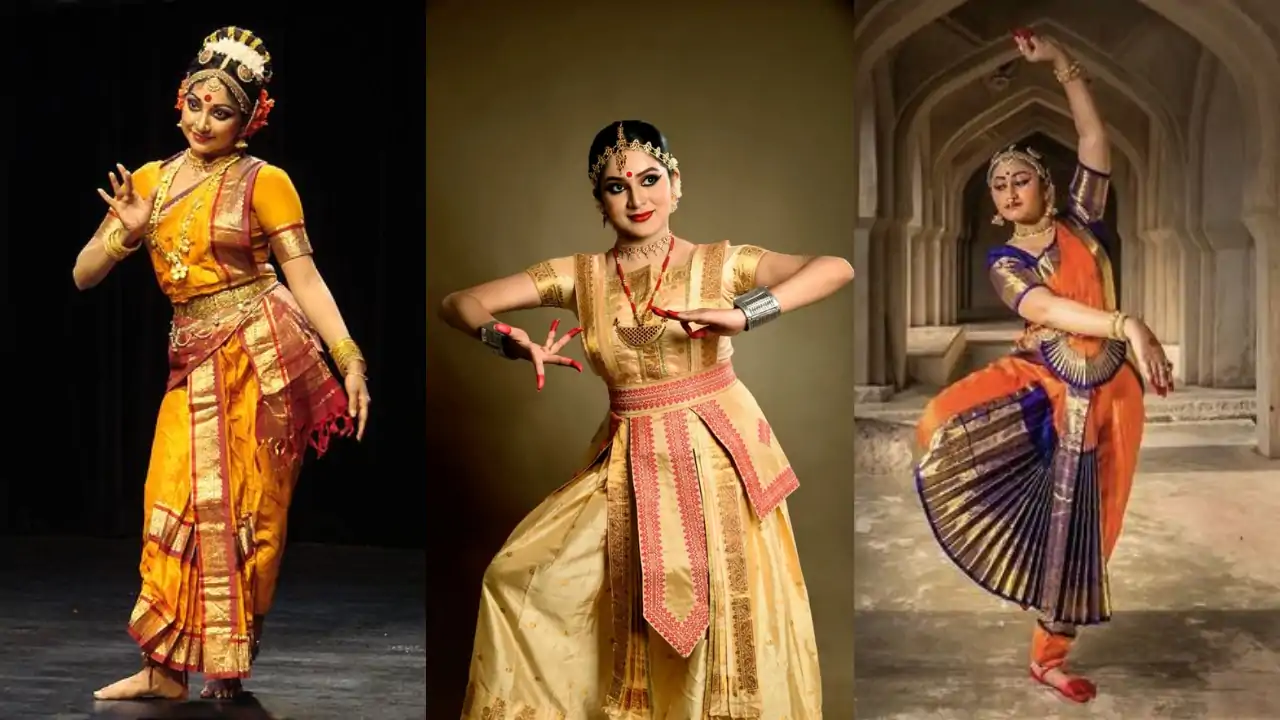
Dance is more than a form of entertainment. It is a way for people to express emotions, share stories, celebrate important moments, and keep cultural traditions alive. Across the world, different communities use dance to reflect their history, beliefs, values, and everyday experiences. From traditional Indian classical performances to energetic folk dances and modern styles, every form of dance has something unique to offer.
In 2026, dance continues to connect generations while adapting to changing lifestyles and technology. Traditional performances remain important at festivals, weddings, and cultural events, while contemporary dance styles are becoming increasingly popular through social media, music videos, and international performances. Despite these changes, the heart of cultural dance remains the same: it brings people together and gives communities a meaningful way to express their identity.
The Connection Between Dance and Culture
Dance and culture have a close relationship because movement often reflects the way people live, celebrate, and understand the world around them. Different communities develop their own dance forms based on their history, environment, music, clothing, and traditions. These movements can communicate emotions and stories that are difficult to express through words alone.
For example, some traditional dances are performed to celebrate a successful harvest, welcome a new season, or mark an important religious occasion. Others tell stories about historical events, legendary figures, or everyday life. The music, costumes, gestures, and rhythms used in these performances help audiences understand the cultural meaning behind them.

Dance also creates a sense of belonging. When people participate in a traditional dance at a family gathering or community celebration, they become part of a shared experience. Younger generations learn about their roots, while older generations have an opportunity to pass down customs that have been preserved for many years.
Indian Classical Dance: A Rich Cultural Heritage
India has a long and diverse dance tradition, with classical dance forms known for their expressive gestures, detailed movements, rhythmic patterns, and storytelling techniques. These styles often combine music, facial expressions, hand movements, and body language to communicate emotions and ideas.
Some of India’s well-known classical dance forms include Bharatanatyam, Kathak, Kathakali, Odissi, Kuchipudi, Manipuri, Mohiniyattam, and Sattriya. Each has its own distinctive history, performance style, and regional connections.

Bharatanatyam, associated with Tamil Nadu, is known for its precise footwork, expressive gestures, and sculptural poses. Kathak developed through traditions associated with North India and is especially recognized for its spins, rhythmic footwork, and storytelling. Kathakali, from Kerala, features elaborate makeup, dramatic costumes, and expressive facial movements.
These dance forms require years of practice, patience, and discipline. Students learn not only physical techniques but also the cultural context behind their performances. Today, classical dance is presented in traditional settings, educational institutions, cultural festivals, and international stages, helping introduce Indian heritage to audiences around the world.
Folk Dance: Celebrating Community and Local Traditions
Folk dances are closely connected to the everyday lives and customs of local communities. Unlike many formal performance traditions, folk dances are often learned through family gatherings, village celebrations, festivals, and community participation. Their movements and music frequently reflect local occupations, regional histories, seasonal changes, and shared experiences.
India has many vibrant folk dance traditions. Garba and Dandiya Raas are strongly associated with Gujarat and are especially popular during Navratri. Bhangra and Giddha reflect the cultural traditions of Punjab. Ghoomar is associated with Rajasthan, while Bihu dance is an important part of celebrations in Assam.
What makes folk dance special is the way it brings people together. Participants do not always need professional training to join in. A familiar rhythm, a simple movement, or a traditional song can encourage people of different ages to dance together.
Folk dances also help preserve regional identity. As communities migrate and lifestyles change, these performances provide a connection to familiar customs and places. Schools, cultural organizations, and local festivals can help keep these traditions active by giving younger people opportunities to learn and perform them.
Dance as a Part of Festivals and Celebrations

Festivals offer some of the best opportunities to experience the relationship between dance and culture. Music, costumes, decorations, food, and movement often come together to create celebrations that reflect a community’s values and traditions.
During Navratri, people gather for Garba and Dandiya Raas, enjoying rhythmic music and coordinated group movements. Bihu celebrations in Assam include traditional dancing that welcomes seasonal change and reflects the region’s agricultural heritage. During weddings, families may perform folk dances or create their own routines to celebrate the occasion.
Dance also plays an important role in celebrations around the world. Samba is closely associated with Brazil’s Carnival celebrations, while traditional lion dances are performed during Lunar New Year celebrations in several East and Southeast Asian communities. Irish stepdance and Spanish flamenco are also recognized for their distinctive movement and musical traditions.
Although these dance forms differ in style, they share a common purpose: creating a memorable experience through cultural expression. Participating in or watching traditional performances can help people appreciate the meaning behind celebrations and understand how customs vary between communities.
Traditional Costumes, Music,

A cultural dance performance is not defined by movement alone. Traditional clothing, musical instruments, accessories, and stage decorations often contribute to its meaning. These elements can help audiences recognize the region or tradition being represented.
In Indian classical dance, costumes and jewelry may highlight specific movements, while makeup and facial expressions help communicate emotions. Folk dance costumes often feature regional fabrics, embroidery, colors, and designs that reflect local craftsmanship. The music may include drums, string instruments, bells, or other sounds that establish the rhythm of the performance.
Footwork is particularly important in many dance styles. In Kathak, rhythmic footwork and spins are central features, while Garba uses repeated circular patterns and coordinated steps. In flamenco, footwork, hand movements, and rhythmic accents contribute to its expressive character.
These details are often passed down from one generation to another. Learning about costumes, instruments, and movement techniques gives dancers a deeper understanding of the tradition they are performing. It also helps audiences appreciate the preparation and cultural knowledge behind a seemingly simple performance. Modern Dance Trends and Cultural Fusion in 2026
Dance continues to evolve as artists experiment with new movements, music, and performance techniques. Modern and contemporary styles give dancers more freedom to explore personal experiences, social themes, and creative ideas. Hip-hop, jazz, contemporary dance, and street dance have developed distinct identities while influencing performances across many countries.
In 2026, cultural fusion remains an interesting part of the dance scene. Choreographers may combine classical Indian movements with contemporary choreography or blend folk rhythms with modern music. When handled thoughtfully, these combinations introduce traditional styles to new audiences without losing sight of their origins.
Social media platforms have also changed how people discover dance. Short videos, online tutorials, dance challenges, and virtual workshops allow people to learn movements and share performances with audiences beyond their local communities. A regional dance can attract international attention, encouraging viewers to explore its history and cultural background.
However, popularity should not replace understanding. Dancers and creators can help preserve the meaning of traditional styles by acknowledging their origins, learning from experienced practitioners, and representing cultural practices respectfully. Modern creativity and cultural preservation can work together when artists approach traditions with care.
How Dance Helps Preserve Cultural Heritage

Cultural heritage includes the traditions, knowledge, artistic practices, and shared experiences passed from one generation to another. Dance is an important part of this heritage because it preserves movement patterns, music, stories, and community customs that may not be fully captured in written records.
Experienced dancers and teachers often play a major role in passing on traditional knowledge. Through lessons, rehearsals, workshops, and performances, they help younger learners understand the techniques and meanings associated with different dance forms. Community festivals and cultural institutions can support this process by providing spaces where traditions are practiced and celebrated.
Schools can also introduce students to regional and international dance styles. Learning a dance from another culture can encourage curiosity, cooperation, and respect for different ways of life.
Recording performances can provide another layer of preservation. Videos, photographs, interviews, and digital archives can document costumes, choreography, music, and the experiences of traditional artists. Still, recordings cannot replace direct learning from knowledgeable practitioners, especially when a dance carries meanings that depend on community participation.
Preserving dance heritage does not mean keeping every tradition unchanged. Communities naturally adapt their practices over time. The important thing is to maintain a meaningful connection to a dance’s history while allowing the people who practice it to decide how it should develop.
The Benefits of Dance for Physical and Emotional Well-Being

Dance connects cultural expression with physical activity. Regular dancing can improve coordination, balance, flexibility, stamina, and body awareness. Depending on the style and intensity, it can also provide cardiovascular exercise while making movement enjoyable.
Cultural dance can offer social benefits as well. Group rehearsals and performances encourage teamwork, communication, and a sense of shared purpose. People who dance together often develop friendships and feel more connected to their communities.
Dance can also provide a creative outlet for emotions. Moving to music may help people relax, express themselves, and take a break from daily responsibilities. Learning a challenging routine can build confidence and encourage patience.
People do not need to be professional dancers to enjoy these benefits. Beginners can start with simple steps, follow an online lesson, or join a local class. Choosing a comfortable pace and suitable footwear can make the experience more enjoyable. Anyone with health concerns or physical limitations should adapt movements to their needs.
The most important part is finding a style that feels enjoyable and meaningful. Whether someone prefers classical dance, folk performances, or modern choreography, dancing can be a rewarding way to stay active and connect with others.
Teaching Cultural Dance to Younger Generations

Younger generations play an important role in keeping cultural traditions alive. When children and teenagers learn traditional dance, they gain more than movement skills. They can discover regional languages, musical instruments, historical stories, traditional clothing, and the values associated with community celebrations.
Families can introduce children to cultural dance by attending local festivals, sharing traditional music, or teaching simple steps at home. Schools and community centers can organize workshops where experienced dancers explain the background of different styles.
It is also helpful to let young people ask questions and explore their own creative ideas. Some may enjoy learning traditional choreography exactly as it is taught, while others may become interested in combining familiar movements with modern styles. Both approaches can encourage a lasting interest in cultural heritage when the original traditions are treated respectfully.
Digital resources can make learning more accessible, particularly for people who live far from cultural centers. However, online videos are most useful when combined with reliable instruction and information about the dance’s origins.
By making cultural dance engaging and accessible, communities can help ensure that these traditions remain a living part of everyday life rather than something seen only during special occasions.
Conclusion
Dance is a powerful expression of culture, identity, and human connection. From India’s classical and folk traditions to celebrations around the world, every dance form carries stories that help people understand their heritage and share experiences with others.
In 2026, traditional dance continues to find new audiences through cultural festivals, educational programs, modern choreography, and digital platforms. These developments create opportunities for people to explore different styles while learning about the communities behind them.
FAQ’s
1.Why is dance important in culture?
Dance expresses a community’s history, traditions, emotions, and values. It also brings people together during festivals, ceremonies, and other important occasions.
2. What are some famous Indian classical dance forms?
Bharatanatyam, Kathak, Kathakali, Odissi, Kuchipudi, Manipuri, Mohiniyattam, and Sattriya are recognized Indian classical dance forms.
3. How does folk dance preserve cultural traditions?
Folk dance passes regional music, movements, costumes, and community stories from one generation to another through performances and shared celebrations.
4. How is technology changing cultural dance in 2026?
Social media, online classes, and digital recordings help dancers learn, share performances, and introduce traditional styles to wider audiences.
5. Can beginners learn traditional dance?
Yes. Beginners can start with basic movements, join local classes, attend cultural workshops, or learn from experienced instructors at a comfortable pace.




Leave a Reply