
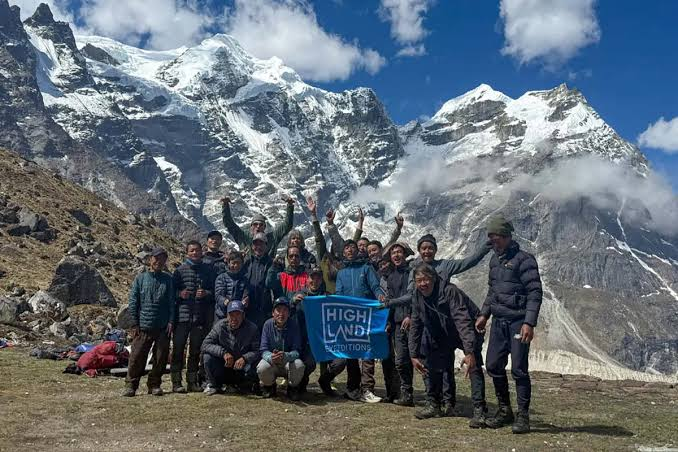
Adventure is all about stepping outside your comfort zone, discovering new places, and creating unforgettable memories. Whether you enjoy hiking through mountains, exploring forests, diving into the ocean, or experiencing exciting outdoor activities, adventure offers countless opportunities to make lifemore exciting.In 2026, adventure experiences can suit almost every type of traveller. Some people seek adrenaline-filled activities such as skydiving and white-water rafting, while others prefer peaceful nature trails, camping under the stars, or cycling through scenic landscapes. You do not need to travel far or spend a fortune to enjoy an adventure. Sometimes, a weekend trip to a nearby hill station or nature reserve is enough to refresh your mindThis guide explores popular adventure activities, their benefits, essential safety tips, and practical ways to plan your next exciting journey.

What Is Adventure Travel?
Adventure travel involves exploring unfamiliar places and participating in activities that offer excitement, physical challenges, cultural discovery, or close contact with nature.It can range from a short forest walk to a multi-day mountain expedition. Some adventures require specialised equipment and professional guidance, while others are suitable for beginners with basic preparation.The main purpose is to experience something different, learn new skills, and create meaningful memories.Adventure does not always mean taking extreme risks. A well-planned trip that matches your abilities can be just as rewarding as a challenging expedition.
Top Adventure Activities to Try in 2026
Different activities offer different experiences. Your ideal choice depends on your interests, fitness level, available time, budget, and comfort with risk.
| Adventure Activity | Best Experience | Suitable For |
|---|---|---|
| Hiking and trekking | Mountain views and scenic trails | Beginners to experienced hikers |
| Camping | Outdoor relaxation and stargazing | Families, friends, and solo travellers |
| White-water rafting | Navigating river rapids | People seeking water-based excitement |
| Scuba diving | Discovering underwater marine life | Eligible beginners and certified divers |
| Rock climbing | Testing strength and problem-solving | Beginners with instruction and experienced climbers |
| Paragliding | Experiencing flight and aerial views | People meeting operator safety requirements |
| Cycling tours | Exploring landscapes at your own pace | Casual and experienced cyclists |
| Wildlife safaris | Observing animals in natural habitats | Nature and wildlife enthusiasts |
| Kayaking | Exploring rivers, lakes, and coastlines | Water-sports enthusiasts |
| Zip-lining | Gliding above forests or valleys | Visitors using approved facilities |
Before choosing an activity, check local conditions, operator credentials, age restrictions, and the safety equipment provided.
1. Hiking and Trekking: Discover the Great Outdoors
Hiking and trekking are excellent ways to explore nature while enjoying physical activity. From gentle walking paths to demanding mountain routes, there are options for a wide range of abilities.
Hiking is generally associated with shorter trails, while trekking often involves longer journeys that may require more preparation, equipment, and endurance.
Tips for a Successful Trek
- Choose the right trail: Begin with a route suited to your fitness and experience.
- Wear appropriate footwear: Comfortable, supportive shoes can improve stability and reduce discomfort.
- Carry enough water: Plan hydration according to the route, weather, and duration.
- Check the forecast: Rain, heat, snow, and strong winds can affect trail safety.
- Stay on marked paths: Avoid shortcuts and respect local restrictions.
Popular trekking destinations in India include the Himalayan region, parts of Uttarakhand and Himachal Pradesh, and the Western Ghats. Always research current trail conditions and seasonal access before leaving.
2. Camping: Experience Life Under the Stars
Camping provides an opportunity to slow down, enjoy fresh air, and spend time away from everyday distractions. It can be a relaxing weekend activity or part of a longer outdoor expedition.
You can camp in designated campsites, organised adventure parks, or permitted wilderness areas. Each location has different rules, facilities, and environmental considerations.
Essential Camping Equipment
- Tent suitable for the expected weather
- Sleeping bag and sleeping mat
- Drinking water and food supplies
- Torch or headlamp with spare batteries
- First-aid kit and personal medication
- Weather-appropriate clothing
- Navigation tools and a charged phone
- Waste bags and basic hygiene supplies
Safety reminder: Check whether camping is permitted, tell someone your itinerary, and avoid lighting fires where prohibited. Store food responsibly and never leave rubbish behind.
3. Water Adventures: Rafting, Kayaking, and Diving

Water-based activities combine excitement with opportunities to explore rivers, lakes, coastlines, and underwater environments.
White-water rafting involves travelling through river rapids with a trained guide. Kayaking offers a more individual way to explore suitable waterways, while scuba diving allows participants to discover underwater ecosystems.
How to Choose a Water Adventure
Your choice should depend on swimming ability, health considerations, weather, water conditions, and the activity’s specific requirements.
- Rafting: Choose a reputable operator and wear the provided personal flotation device.
- Kayaking: Learn basic paddling and rescue techniques before entering challenging water.
- Scuba diving: Complete the required training and medical screening, where applicable, and follow your instructor’s guidance.
- Snorkelling: Use suitable equipment and stay within your ability and local safety recommendations.
Avoid water activities during unsafe conditions or without appropriate supervision. Never assume that calm-looking water is automatically safe.
4. Mountain Adventures: Climbing and Paragliding
Mountain adventures offer dramatic scenery and memorable challenges. Rock climbing tests balance and problem-solving, while paragliding offers an aerial view of the surrounding landscape.
These activities require particular attention to training, equipment, weather, and professional supervision.
Rock Climbing
Indoor climbing facilities can be a useful starting point for beginners. They provide a controlled environment to learn movement, equipment use, and basic climbing techniques.
Outdoor climbing requires additional knowledge of rock conditions, anchors, route difficulty, and environmental hazards. Beginners should learn from qualified instructors rather than attempting difficult routes independently.
Paragliding
Tandem paragliding allows eligible beginners to fly with a qualified pilot. Before booking, confirm that the operator follows applicable regulations, uses maintained equipment, and provides a clear safety briefing.
Weather can change quickly in mountainous areas. Flights should be postponed whenever the pilot or operator considers conditions unsuitable.
5. Wildlife Safaris and Nature Exploration
Adventure does not have to involve speed or extreme physical challenges. Wildlife safaris and nature excursions can provide fascinating opportunities to observe animals, birds, plants, and natural habitats.
Depending on the destination, you may explore national parks, wetlands, forests, coastal areas, or designated wildlife reserves.
Responsible Wildlife Travel
- Maintain a safe distance from animals.
- Follow the instructions of guides and park authorities.
- Never feed, chase, or attempt to touch wildlife.
- Avoid loud noises that may disturb animals.
- Follow photography restrictions and local conservation rules.
- Choose responsible operators that respect wildlife protection standards.
Responsible exploration protects natural environments while helping visitors appreciate the importance of biodiversity.
Benefits of Adventure Activities
Adventure experiences can provide benefits beyond entertainment. Their effects depend on the activity, individual circumstances, and how safely the experience is planned.
| Benefit | How It May Help |
|---|---|
| Physical activity | Hiking, cycling, and climbing can support fitness |
| Stress relief | Time outdoors may help some people feel refreshed |
| Confidence | Learning unfamiliar skills can build self-belief |
| Teamwork | Group activities encourage communication and cooperation |
| Problem-solving | Navigation and outdoor challenges require planning |
| Cultural learning | Travel can introduce new customs and local perspectives |
| Lasting memories | Shared experiences can strengthen relationships |
Adventure should be enjoyable rather than overwhelming. Choose activities that suit your current abilities and allow yourself time to build experience gradually.
How to Plan an Adventure Trip
A successful adventure starts before you leave home. Thoughtful planning can help you manage costs, avoid unnecessary risks, and enjoy the experience more fully.
Step 1: Choose Your Destination
Decide whether you want mountains, forests, beaches, rivers, deserts, or a city-based adventure experience. Research the destination’s climate, terrain, transport options, and seasonal conditions.
Step 2: Set a Realistic Budget
Include transportation, accommodation, activity fees, food, equipment rental, permits, insurance, and emergency funds. Compare the total cost rather than focusing only on the advertised activity price.
Step 3: Research the Operator
For guided or technical activities, check qualifications, relevant licences, equipment maintenance, safety procedures, and recent customer feedback. Ask what is included in the booking and what happens if the weather causes cancellation.
Step 4: Prepare Your Body and Equipment
Build up your fitness gradually when an activity requires endurance or strength. Test your footwear and equipment before the trip, and avoid relying on unfamiliar gear during a demanding excursion.
Step 5: Share Your Itinerary
Tell a trusted person where you are going, when you expect to return, and how to contact your group. For remote destinations, understand the available communication options.
Step 6: Respect Local Communities and Nature
Follow local rules, support responsible businesses, respect cultural traditions, and minimise waste. A memorable adventure should leave a positive impact on the destination.
Adventure Trip Budget: A Sample Planning Guide

The following table provides a simple budget framework. These are illustrative planning categories, not current market prices.
| Expense | What to Include |
|---|---|
| Travel | Flights, trains, buses, or fuel |
| Accommodation | Campsite, hostel, hotel, or lodge |
| Activities | Guided tours, permits, and entry fees |
| Equipment | Rental, purchase, or protective gear |
| Food | Meals, snacks, and drinking water |
| Insurance | Suitable travel and activity coverage |
| Emergency reserve | Unexpected transport or other costs |
To keep costs manageable, travel during suitable off-peak periods, book transport early when practical, share accommodation with companions, and rent specialised equipment when appropriate.
However, never compromise essential safety measures simply to reduce expenses.
Adventure Safety Tips Everyone Should Know
Exciting experiences are more enjoyable when you prepare for potential hazards. Even simple outdoor activities can become difficult when weather, terrain, or health conditions change.
Follow these important precautions:
- Understand your limits: Choose routes and activities that match your fitness and experience.
- Check weather conditions: Postpone outdoor plans if conditions become unsafe.
- Use proper equipment: Wear helmets, flotation devices, harnesses, or other protective gear when required.
- Follow professional guidance: Listen carefully to qualified guides and instructors.
- Carry essentials: Bring water, food, navigation tools, a first-aid kit, and appropriate clothing.
- Avoid unnecessary risks: Do not perform dangerous stunts or ignore safety instructions for photographs.
- Know emergency procedures: Understand how to contact local emergency services and where to find assistance.
- Review insurance coverage: Check exclusions for high-risk sports and adventure activities before purchasing a policy.
People with relevant medical concerns should seek appropriate professional advice before undertaking strenuous or technically demanding activities.
Adventure Travel for Different Types of Travellers
Not every adventure needs to be physically demanding. The best experience is one that fits your interests and circumstances.
| Traveller Type | Ideas to Consider |
|---|---|
| Beginners | Easy hikes, guided nature walks, introductory kayaking |
| Families | Designated camping areas, nature trails, supervised adventure parks |
| Solo travellers | Guided group hikes, organised cycling tours, reputable hostels |
| Couples | Scenic treks, permitted camping, guided wildlife excursions |
| Fitness enthusiasts | Challenging trails, long-distance cycling, supervised climbing |
| Nature lovers | Birdwatching, photography walks, responsible safaris |
| Budget travellers | Local trails, public parks, self-guided walks where permitted |
Check age limits, accessibility, fitness requirements, and operator rules before booking. For families, prioritise activities with suitable supervision and facilities.
Sustainable Adventure: Explore Without Harming Nature

Natural destinations are valuable ecosystems as well as places for recreation. Increased visitor numbers can create pressure on wildlife, water resources, trails, and local communities.
Travellers can reduce their impact through simple choices:
- Carry reusable bottles and containers where practical.
- Use marked paths and authorised campsites.
- Avoid single-use items when possible.
- Support local guides, shops, and accommodation providers.
- Respect wildlife and cultural heritage.
- Take all rubbish back with you.
- Follow local rules for fires, swimming, and waste disposal.
Sustainable travel is not about avoiding every impact. It is about making thoughtful decisions that help preserve destinations for future visitors and local residents.
Frequently Asked Questions
1. What are the most popular adventure activities?
Popular options include hiking, trekking, camping, rafting, kayaking, scuba diving, rock climbing, cycling, and wildlife safaris.
2. Which adventure activities are suitable for beginners?
Beginners can consider easy hiking trails, guided nature walks, introductory kayaking, supervised climbing sessions, and organised camping experiences.
3. How can I prepare for an adventure trip?
Research the destination, check the weather, set a budget, prepare suitable equipment, understand safety requirements, and share your itinerary with someone you trust.
4. Is adventure travel expensive?
Not necessarily. Local hikes, cycling routes, public nature areas, and simple camping trips can be budget-friendly. Costs depend on the destination, equipment, transport, and activities.
5. What should I pack for an adventure trip?
Pack weather-appropriate clothing, comfortable footwear, water, snacks, a first-aid kit, navigation tools, a torch, necessary medication, and activity-specific safety equipment.



Leave a Reply