
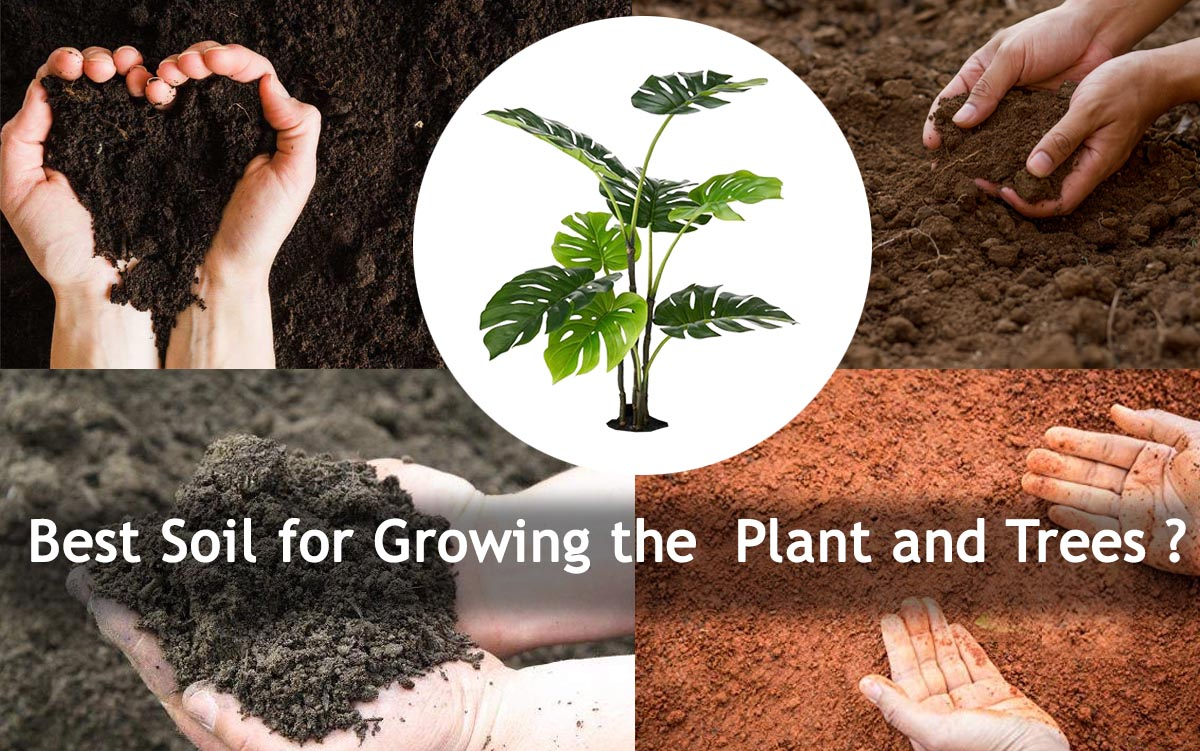
If a plant keeps struggling no matter how carefully you water it, the problem is probably sitting right under its leaves. Most of us blame the sunlight, the weather or our own forgetfulness, but soil quietly decides whether roots get enough air, moisture and nutrients to do their job. A tomato that flowers beautifully and then stalls, or a money plant that slowly turns yellow, is often just telling you the mix doesn’t suit it. The good news is that the best soil for healthy plant growth isn’t fancy or expensive. It simply needs to match what your plant wants, whether that’s gritty and fast-draining for a cactus or rich and crumbly for chillies. This guide walks you through reading your soil, fixing common problems and choosing a mix your plants will genuinely enjoy.
Here’s the thing about choosing the best soil for healthy plant growth: this plant care guide doesn’t have to be fancy, expensive, or complicated. It simply needs to suit your plant’s needs. A cactus thrives in a gritty mix that drains water quickly, while a chilli plant prefers nutrient-rich, crumbly soil that holds some moisture without becoming soggy. Every plant has its own preferences, and using the wrong soil can make it difficult to grow well, no matter how carefully you water or care for it.
So before you buy another bag of fertiliser or move that struggling pot to a sunnier spot, let’s talk about what’s actually going on beneath the surface. You’ll learn how to read your soil, how to fix common problems and how to pick a mix your plants will genuinely thrive in.
Why Soil Matters More Than You Think

Soil does three jobs at the same time, and if even one goes wrong, the plant pays for it. It holds the roots in place, it stores water so the plant can drink between your visits, and it keeps nutrients ready for the plant to pick up slowly. Good soil handles all three without any drama. Poor soil makes you compensate constantly, with extra watering, extra fertiliser, another round of repotting, and the plant still never looks quite right. Plenty of gardeners spend years treating symptoms when a single soil change would have fixed things in one afternoon. It’s a bit like trying to fix a leaking roof by mopping the floor every morning.
Roots Need Air, Not Just Water
This one surprises a lot of people: roots breathe. They pull oxygen from the tiny air gaps between soil particles, and when those gaps fill with water or get squashed flat, the roots start to suffocate. That’s why a plant in heavy, soggy soil can look thirsty even though the pot is dripping wet. The leaves droop, the lower ones go yellow, and if you sniff the soil it smells faintly sour. Loose, crumbly soil keeps those air gaps open so water can pass through and roots can breathe. If you only fix one thing about your soil, make it drainage.
Nutrients Only Work If Roots Can Reach Them
You can pour expensive fertiliser onto bad soil and still end up with weak, pale growth. Nutrients have to dissolve in water and travel to the roots, and that only happens properly when the soil has good structure and the right pH. Organic matter, like decomposed leaves and compost, works like a slow pantry. It holds nutrients and hands them out gradually instead of letting the first heavy watering wash them away. That’s why seasoned gardeners say they feed the soil, not the plant. Get the soil right and the growth tends to look after itself.
Understanding the Main Soil Types

Before you can choose better soil, you need to know what you’re working with. Nearly all garden soil is some mix of sand, silt and clay, and the proportions decide how it behaves. Think of them as ingredients rather than separate soils. Pick up a handful from your garden and it’ll lean towards one of them, and knowing which one tells you most of what you need to know about watering, feeding and what’s likely to grow well.
Sandy Soil
Sandy soil feels gritty and falls apart the moment you open your hand. Water rushes straight through it, which is wonderful for avoiding root rot but not so great for plants that like steady moisture. Nutrients escape quickly too, so plants in sandy soil often look hungry and pale. On the upside, it warms fast in spring and it’s easy to dig. If that’s your garden, keep feeding it compost, aged manure or coco peat so it can hold onto water and nutrients for longer. It takes patience, but sandy soil improves faster than most people expect.
Clay Soil
Clay is the opposite personality. It turns sticky and slippery when wet, bakes as hard as a brick in summer and cracks wide open in the heat. It’s rich in nutrients, but water drains so slowly that roots can sit in puddles after rain. Plenty of red and black soils in India behave exactly like this, heavy and muddy in the monsoon, then almost impossible to dig by May. Mixing in coarse compost, rice husk or well-rotted organic matter over a few seasons opens it up bit by bit. And don’t dig it when it’s soaking wet. You’ll only press it tighter.
Loam: The Gardener’s Favourite
Loam is the happy middle, a balanced mix of sand, silt and clay with a good amount of organic matter. It feels soft and a little crumbly, holds together when squeezed and breaks apart with a light poke. It drains well without drying out in an afternoon, and it stores nutrients without turning heavy. Most vegetables, flowers and fruit plants are perfectly happy in it. You rarely find perfect loam in nature, but you can build something close to it by improving whatever soil you’ve got, one season at a time.
Garden Soil vs Potting Mix

Almost everyone makes this mistake once. You scoop soil from the garden, fill a pot and plant something in it. It looks lovely for a week or two. Then the soil turns dense, hard and strangely heavy, and the plant stops growing. Garden soil and potting mix are made for completely different situations, and swapping them is one of the top reasons container plants fail. Knowing the difference can save you plenty of frustration, and a few plants too.
Why Garden Soil Struggles in Pots
In the ground, soil connects to a huge reservoir of earth. Extra water drains downward, worms keep things loose and roots can wander wherever they like. A pot has none of that. Water has nowhere to go, so heavy garden soil stays soggy, packs down every time you water and slowly squeezes the air out of the root zone. It can also bring weed seeds, insects and fungal problems into your home. That’s why containers need a lighter, fluffier mix that stays open even after months of watering and daily life.
What a Good Potting Mix Contains
A good potting mix is almost always a blend. Coco peat or peat moss holds moisture, perlite or coarse sand keeps air pockets open, and compost or vermicompost brings in nutrients. Plenty of Indian gardeners use a simple home recipe of garden soil, coco peat and compost in roughly equal parts, and it works nicely for most flowering and vegetable pots. Succulents and cacti want extra sand or perlite, while leafy tropical houseplants enjoy a bit more organic material. Whatever you buy, pick up the bag first. If it feels light and crumbly, good. If it feels heavy and muddy, put it back.
Test Your Soil Before You Change It

When a plant looks unhappy, the urge is to start adding things right away. Resist it. Guessing usually makes soil problems worse, and a few quick tests, most of which cost almost nothing, will tell you what your soil actually needs. Spending twenty minutes on this before you buy bags of amendments can save real money and a couple of seasons of trial and error. You don’t need a lab. Your hands, a jar of water and a cheap testing kit will answer most questions.
The Squeeze and Drainage Tests
Grab a handful of slightly moist soil and squeeze it. If it forms a tight ball that stays solid when you poke it, you’ve got a lot of clay. If it crumbles immediately, it’s sandy. If it holds together but breaks apart easily, you’re close to loam. For drainage, dig a hole about a foot deep, fill it with water, let it drain, then fill it again and time how long it takes. If water is still standing after several hours, drainage is your problem. This little test explains why one corner of a garden always seems boggy while another dries out within a day.
Checking Soil pH
Soil pH tells you how acidic or alkaline your soil is, and it controls whether plants can actually absorb the nutrients that are already there. Most vegetables, herbs and flowers like slightly acidic to neutral soil, roughly between 6 and 7. Blueberries and azaleas want it more acidic, while lavender tolerates slightly alkaline conditions. A basic pH kit from a garden store is plenty for home use. If your reading is far outside the range, plants can turn yellow or stall even when you feed them regularly. Adjust slowly with compost, lime or sulphur, and retest after a few weeks rather than all at once.
Improving the Soil You Already Have
You almost never have to start from scratch. Most soil can be improved gradually with regular additions of organic matter, and the results often show within one or two growing seasons. The aim isn’t perfect soil. It’s soil that drains reasonably, holds some moisture, feeds your plants steadily and stays loose enough for roots to explore. Small, steady improvements beat one dramatic overhaul almost every time.
Compost and Vermicompost
Compost is the most useful thing you can add to nearly any soil. It loosens clay, helps sand hold water, feeds soil life and delivers nutrients gently instead of in one rush. Vermicompost, made by earthworms, is richer still and works especially well in pots and vegetable beds. Spread a layer a few centimetres thick and mix it into the top of the soil, or just top-dress around established plants and let rain and worms do the rest. Kitchen scraps, dry leaves and cow dung make excellent homemade compost if you’re happy to wait a few months.
Matching Soil to the Plants You Grow

The best soil isn’t the same for every plant, and that’s where beginners often trip up. A mix that makes tomatoes thrive can slowly kill a jade plant. Think about where a plant comes from and try to copy those conditions. Desert plants want fast drainage and low fertility, rainforest plants want moisture and rich organic material, and vegetables want deep, fertile, evenly moist soil.
A few examples make it easier to remember. Succulents and cacti do best in a gritty mix with plenty of sand or perlite, so water flushes through quickly. Tomatoes, chillies and brinjal enjoy rich, loamy soil with lots of compost and steady moisture. Basil and coriander like light, well-drained soil with moderate feeding, while mint forgives almost anything. Leafy houseplants like pothos and money plants grow happily in potting soil mixed with coco peat and a little perlite. When you’re unsure, ask where the plant grows naturally and work backwards from there.
FAQ’s
Q1. What is the best soil for healthy plant growth?
Loamy soil rich in organic matter is suitable for many plants.
Q2. How do I choose soil for indoor plants?
Choose a well-draining potting mix suited to your plant type.
Q3. Why is well-draining soil important?
It prevents excess water from collecting around roots and reduces the risk of root rot.
Q4. Can I use garden soil in pots?
Garden soil can become compacted in pots, so a suitable potting mix is usually better.
Q5. How often should I change plant soil?
Refresh or replace soil when it becomes compacted, drains poorly, or the plant needs repotting.




Leave a Reply