
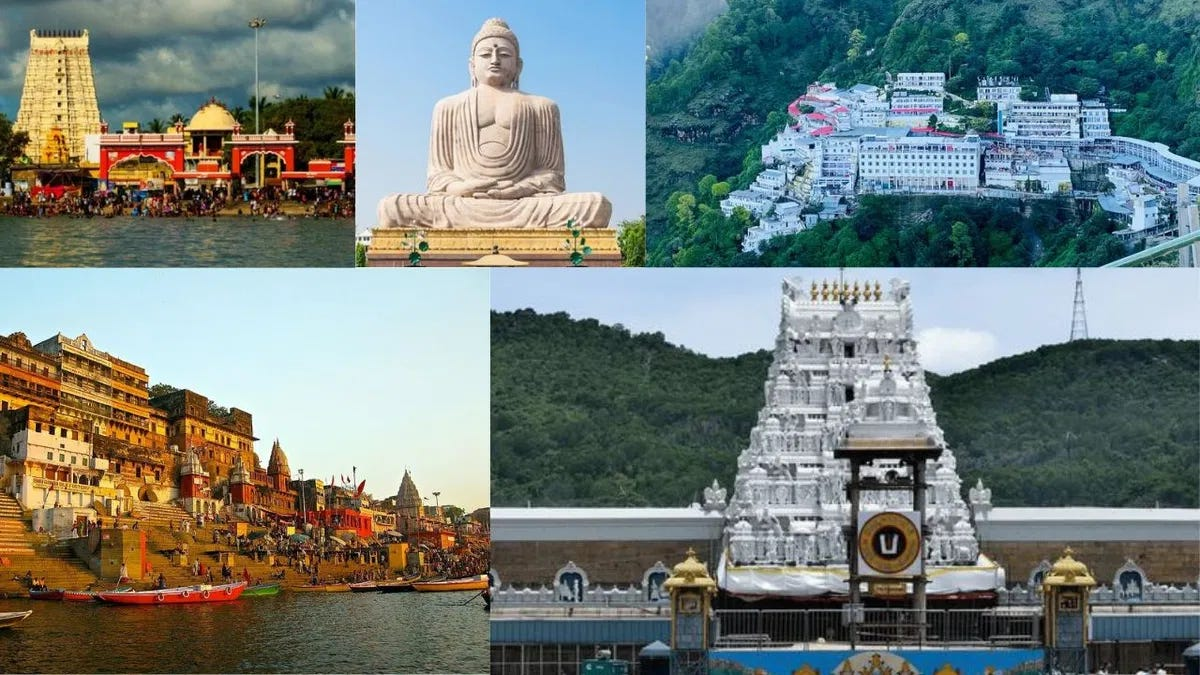
The moment you truly feel still is hard to plan, but it often arrives in a sacred place. It might be a temple courtyard at sunrise, a stone chapel lit by a single candle, or a riverbank where someone is chanting softly. Your shoulders drop, your thoughts slow down, and for a few minutes nothing needs to be done. That feeling is what draws so many travellers to a spiritual destination, and it has far less to do with religion than most people expect.
You don’t need to be devout to feel it. Many people start their travel plans curious, tired, or a little burnt out, with no goal beyond a simple wish for quiet. They arrive at a destination they barely know, and then a bell rings in the distance, incense drifts across the courtyard, and something they didn’t realise was tight begins to loosen.
The challenge lies in choosing a destination that is still genuinely peaceful. Some of the world’s best-known sacred sites now see so many visitors that stillness has given way to queues and selfie sticks. This travel guide will help you spot the quieter places, plan with confidence, and make the most of the calm once you arrive.
What Makes a Place Feel Spiritually Peaceful?

Peace doesn’t mean silence, and it certainly doesn’t mean eight hours on a meditation cushion. One person finds it at an early morning prayer. Another finds it on a forest path with nothing but running water for company. Same destination, two very different trips.
When you go matters just as much. A famous temple can feel like a railway platform during a festival and almost unreal at seven in the morning. A remote mountain village sounds perfect, until the journey there flattens you and you spend two days recovering. Ten minutes of thinking about this before booking saves a lot of grumpiness later.
And remember where you are. These are working places of worship, not backdrops. Cover your shoulders, follow local customs, ask before photographing anyone and keep your voice down. It costs you almost nothing, and it means a great deal to the people who pray here daily.
Rishikesh, India: Quiet Moments Beside the Ganges
Rishikesh pulls in yoga fans, meditation seekers and anyone curious about Hindu traditions, and it does it from a lovely spot, right where the Ganges slips out of the green Himalayan foothills. Ashrams, river views and mountain scenery are all crammed into one small town.
Get up early here. Before the cafes open and the scooters wake up, the lanes are calm, and the town feels like a completely different place. Sit by the water for a while. Watch the morning rituals from a respectful distance. If you fancy a yoga class, pick a beginner session and stop worrying about your flexibility. Nobody’s checking your toes.
The evening Ganga Aarti is worth it. Crowds gather along the river for prayers and offerings, and the bells, chanting and moving water together can catch you off guard, even if you’ve never seen anything like it.
Still, let’s be fair about it. Rishikesh isn’t tranquil everywhere or at every hour, and festival weeks can get properly packed. Travel off-peak, stay in a guesthouse away from the busiest lanes and give yourself enough days that you’re not sprinting between sights.
Kyoto, Japan: Calm in Spiritual Temples and Gardens

Kyoto’s calm is a different animal. It’s quieter, more deliberate, built from old wooden temples, raked gravel and gardens that somebody has clearly fussed over for centuries.
The best moments tend to be tiny. Gravel crunching under your shoes. A patch of sunlight crawling across a temple veranda. A still pond with maple branches leaning over it. None of that needs a packed schedule, and an extra half-hour in one garden will do more for you than four temples before lunch.
Zen gardens also give you a gentle peek at Japanese ideas about simplicity and paying attention. You don’t have to decode the philosophy. Sit down, look at how the stones are placed, and see what your mind does after ten minutes.
Fair warning, though: Kyoto is popular. Cherry blossom season and the autumn leaves fill the famous spots to the brim. Go at opening time, wander the lesser-known neighbourhoods and check each temple’s visiting rules ahead of time.
Bhutan: Spirituality in the Himalayas
Bhutan rewards people who like mountains, traditional architecture and moving through a country slowly. Monasteries, prayer flags snapping in the wind across valleys and deep-rooted Buddhist traditions give it an atmosphere that’s hard to find elsewhere.
The big name here is Paro Taktsang, better known as Tiger’s Nest Monastery, stuck to a cliff above the Paro Valley. The setting alone is unforgettable. But getting there means a real hike, so think about your fitness, the weather and your time before you commit to it.
Don’t let the landmarks eat the whole trip, though. An afternoon in a traditional village, a chat about local customs or an hour spent simply watching the landscape can stay in your memory just as long. Try not to treat every monastery as a photo stop. Ask yourself why it matters to the people living near it.
A practical note: Bhutan takes planning, and entry requirements, tourism rules and costs can change. Check the latest official information before arranging anything. Sort the logistics early, and you’ll spend the trip itself relaxed instead of worried.
Bali, Indonesia: Tradition and Natural Spiritual Beauty

Most people picture Bali as beaches and beach clubs, but the island has a rich spiritual and cultural life running underneath. Hindu temples, village ceremonies and lush green landscapes shape how people live there.
What stands out for spiritual travellers is how religion sits inside daily routine. Small offerings appear outside homes and shops every morning, temple ceremonies fill the calendar and community celebrations keep old customs alive. Watch respectfully and you’ll learn more about the island than any attraction could teach you.
Ubud is the usual base for yoga, wellness, art and nature. Rice terraces, walking trails and small villages around it move at a much slower pace than the busy coast. Ubud itself can feel crowded, though, so choose where you stay carefully and explore at quieter hours.
Before visiting any temple, check the dress rules and visitor restrictions. Some ceremonies are for worshippers rather than tourists, and certain areas aren’t open to the public. Respecting those lines is part of travelling well here.
Lumbini, Nepal: A Spiritual Place for Reflection
Lumbini, in Nepal, is widely recognised as the birthplace of Siddhartha Gautama, who became the Buddha. Buddhists treat it as an important pilgrimage destination, and visitors from every background come to learn its history and spend time in its calm surroundings.
There’s a sacred garden, archaeological remains and a spread of monasteries built by Buddhist communities from different countries. Walk between them and you’ll notice how varied the styles are, each one carrying the traditions of the people who built it.
It suits travellers who prefer a gentler itinerary built around history, reflection and learning. Nobody’s timing you. See a few key sites, sit in the gardens and read about the place’s story at your own pace.
It’s also a chance to understand Buddhism beyond what you’ve picked up from books or the internet. Go in curious, and keep in mind that it’s a living religious site, not only a historical landmark.
How to Make Your Spiritual Journey More Meaningful

A meaningful trip doesn’t need a big budget or a full schedule. Leaving empty time in your plan usually improves it. Resist the urge to hit every famous site, pick a few places that genuinely interest you and give them room to sink in.
Take a quiet walk first thing. Spend an afternoon learning local history. Carry a small notebook and jot down what you notice, like a smell, a sound or something a stranger said. These tiny habits keep the trip alive long after the photos are forgotten. If a meditation session or cultural activity comes from a reputable provider and feels comfortable, give it a go.
Keep your expectations realistic, too. A spiritual holiday won’t fix every difficulty in your life, and you don’t have to return transformed. Sometimes the win is simpler: you learned something, spent time somewhere beautiful and had a proper break from routine.
Travel kindly while you’re there. Support local businesses, follow the guidance at religious sites, stay clear of ceremonies and ask permission before photographing people. These choices protect the very atmosphere that drew you in.
FAQ’s
Q1. What are the most peaceful spiritual places in the world?
Varanasi, Bhutan, Bali, Jerusalem, and the monasteries of Tibet are known for their spiritual atmosphere.
Q2. Why should you visit spiritual places?
Spiritual places offer opportunities for reflection, cultural learning, and inner peace.
Q3. What is the best time to visit spiritual destinations?
The best time depends on the destination, but spring and autumn are often comfortable for travel.
Q4. Which spiritual places are best for meditation?
Buddhist monasteries, meditation retreats, and peaceful temples are popular choices.
Q5. How can I plan a spiritual journey?
Research local customs, choose meaningful destinations, and plan enough time for quiet reflection.




Leave a Reply