
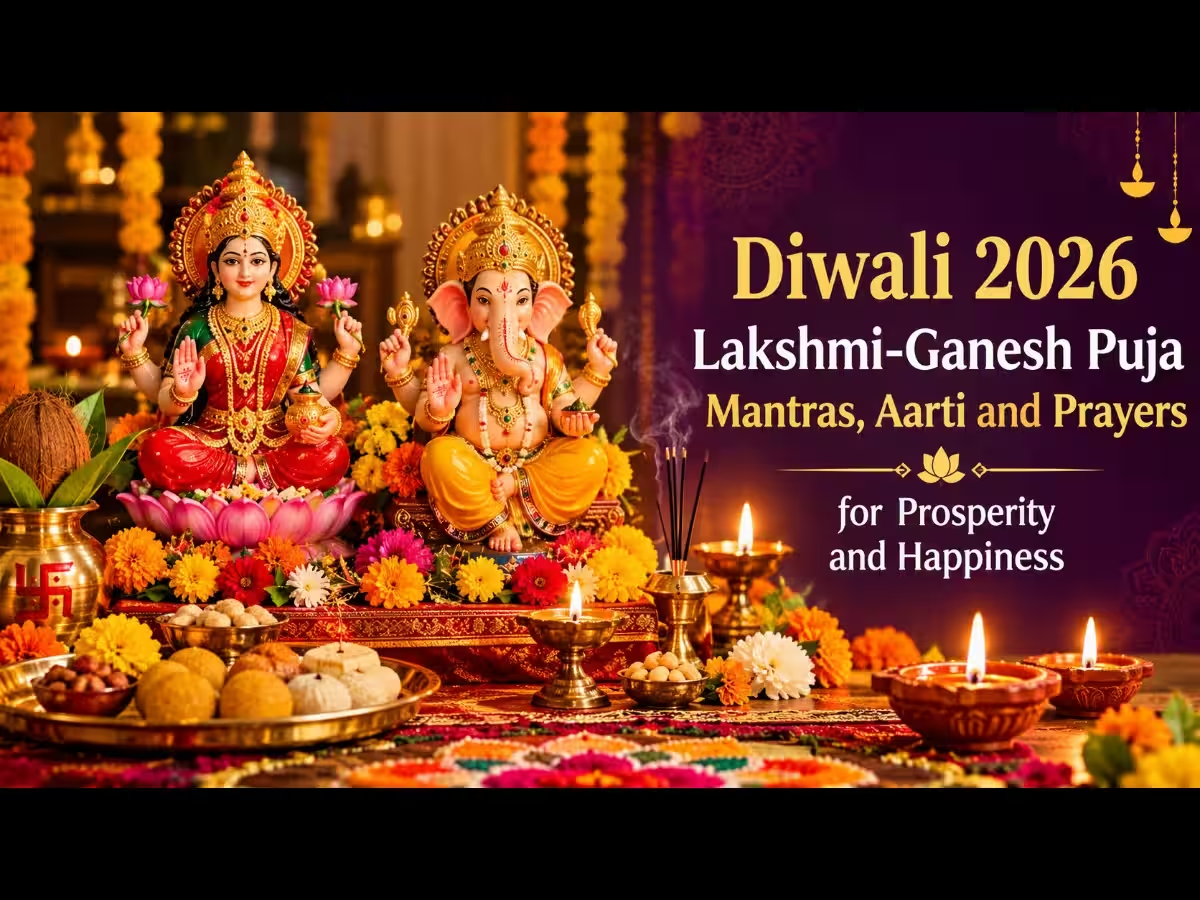
A few years ago, I spent Diwali in a rented flat in a new city, far from my family. Culture I bought a pack of candles, scrolled through other people’s festive photos and went to bed early, feeling like the whole festival had happened somewhere else. The next morning, my neighbour knocked on the door with a plate of homemade sweets and asked why I hadn’t joined the rangoli downstairs. I had walked past it twice without realising it was open to everyone. This guide shares the simple habits that helped me experience Diwali as something I could actually take part in, instead of just watching it go by.
The strange part is that I thought experiencing a festival meant being in the right place or having the right people around. Every picture online showed big families, grand decorations and perfectly lit houses, so I assumed a quiet celebration didn’t count. In reality, Diwali is made of small things: a lamp at the doorway, a shared sweet, a story told by an elder, a visit to a neighbour. Maybe you’ve felt this too, that sense of being on the edge of a celebration, unsure how to step in.
So I changed my approach. I learned the meaning behind each day, joined local traditions with an open mind, cooked a few simple dishes, visited people and kept my celebration safe and kind to the environment. The next Diwali felt warm, full and completely mine. Nothing in this guide needs a big house, a large family or a big budget. If you try even two or three ideas, you’ll feel the festival much more deeply this year.
Why Diwali Is More Than Lights and Sweets

Diwali is often called the festival of lights, but it Culture ’s also a festival of stories, food, family, new beginnings and gratitude. Different parts of India celebrate it for different reasons. Many remember the return of Lord Rama to Ayodhya, others worship Goddess Lakshmi, and some honour other legends and traditions linked to the day. In some communities it marks the start of a new year, and for Jains and Sikhs the day carries its own important meaning. Because of this variety, there’s no single “correct” way to celebrate. When you understand the meaning behind what you’re doing, even a simple lamp feels special, and the festival becomes a living tradition instead of a checklist.
- Diwali is celebrated in many different ways across India
- Each custom has a story or a meaning behind it
- A simple, sincere celebration is as valid as a grand one
Build a Simple Diwali Base
Before shopping or planning, spend an evening understanding what the festival is about. Most people jump straight into buying decorations and Culture sweets, and only later realise they’ve missed the heart of the celebration. A good base is a basic understanding of the days, a few traditions you want to follow and a small plan for how you’ll spend them. It costs very little, works whether you’re celebrating at home, in a hostel or in a new city, and makes everything that follows more meaningful. Think of it like reading the first page of a book before skipping to the middle. The three steps below, learning the five days, choosing your traditions and preparing your space, are the foundation of this guide.
Learn the Five Days of Diwali

Diwali is not a single day. In many parts of India, the celebration stretches across five days, each with its own customs. Knowing this helps you take part in more than just the main evening. Traditions vary by region and family, so treat the list below as a general guide and ask elders in your community how they celebrate.
Diwali usually lasts five days, from Dhanteras to Bhai Dooj,
Here’s a simple overview of the five days:
| Day | Name | What It Usually Involves |
|---|---|---|
| Day 1 | Dhanteras | Cleaning the home, buying something small like utensils or coins, and lighting lamps |
| Day 2 | Naraka Chaturdashi (Choti Diwali) | Early morning rituals, lamps in the evening and festive snacks |
| Day 3 | Lakshmi Puja (main Diwali) | Evening prayers, rows of diyas, rangoli, sweets and gathering with family |
| Day 4 | Govardhan Puja or New Year in some regions | Offering a variety of foods, new beginnings and visits to relatives |
| Day 5 | Bhai Dooj | Siblings meet, share a meal and exchange blessings and gifts |
Choose Traditions That Feel Meaningful

You don’t have to do everything. Pick a few customs that mean something to you and do them with attention. Maybe it’s lighting a lamp at the entrance, making rangoli, joining an evening prayer or simply visiting an elder. If you’re new to a tradition, Culture ask someone to explain the reason behind it. Doing a few things with understanding is far better than doing many things in a hurry.
- Choose two or three traditions to follow this year
- Ask an elder or friend about the story behind each one
- Respect customs that differ from your own family’s
- Be open to learning from neighbours and colleagues
- Let go of the pressure to do everything perfectly
Habits That Work for Everyone
Whether you’re celebrating with a big family or by yourself, a few simple habits help you feel connected to the festival. None of them need special skills, big money or a lot of free time
They’re small routines that bring the spirit of Diwali into ordinary hours. Some help you enjoy the food and decorations, some help you connect with people, and some simply keep the celebration Culture calm. Try the ones that suit you, and drop whatever doesn’t fit. The goal isn’t to copy someone else’s Diwali. It’s to find the way that makes the festival feel real for you.

Light Diyas and Make Rangoli
Lamps and rangoli are two of the most loved parts of Diwali, and both are easy to start. Clay diyas with oil or ghee give a warm, gentle glow, and placing them along windows, doorways and balconies makes any home look festive. Rangoli can be made with coloured powder, flower petals or rice flour, and it doesn’t have to be complicated. A simple pattern made with care looks beautiful. If you don’t know how, watch an elder or a neighbour, since most people are happy to share.
- Use clay diyas, which are simple and eco-friendly
- Place lamps at doors, windows and balconies
- Try flower petal rangoli for a fresh, natural look
- Start with a simple pattern and practise slowly
- Make rangoli together with children or friends
Cook and Share Festive Food
Food is at the heart of Diwali. Every region has its own specialities, from laddoos, barfis and gujiyas to savoury snacks like chakli, murukku and namak pare. You don’t need to cook everything yourself. Choose one or two items to try at home, and buy the rest from a trusted local shop. The real joy lies in sharing, so make a small box of sweets for a neighbour, a colleague or someone who lives alone. A plate shared is often remembered longer than a gift.
- Try making one traditional sweet at home

- Buy fresh sweets from trusted local shops
- Share food with neighbours and colleagues
- Include a few less-sugary options for health-conscious guests
- Learn a family recipe from an elder
Connect With People and Stories
Diwali is as much about people as it is about lights. Visit relatives, call friends you haven’t spoken to in months and greet neighbours. If you’re away from family, join a community event, a temple gathering or a housing society celebration. Sit with older members and ask them how Diwali used to be when they were young. These stories often become the most precious part of the festival.
- Call or visit at least a few people you care about
- Greet neighbours and colleagues warmly
- Join a local community or society celebration
- Ask elders about their childhood Diwali memories
- Reach out to someone who may be spending the festival alone
Little Touches That Make Diwali Feel Special
Once the main preparations are done, small touches make the festival feel personal. They don’t take much money or effort, but they turn a good celebration into a warm memory. A handwritten greeting, a new outfit worn with joy, a family photo in festive clothes or a few quiet minutes with a
lit lamp can mean more than anything expensive. .Think of these as the cherry on top, not a must-do list
- Wear traditional clothes, even if it’s just for the evening
- Write a handwritten note to someone you love
- Play traditional music or bhajans in the background
- Take a family photo in festive wear
- Spend a few minutes in silence near a lit lamp

If you enjoy lively celebrations, join cultural programmes, fairs or community events. If you prefer a calm Diwali, a quiet evening with a few lamps and a good meal is just as lovely. Both are beautiful ways to celebrate.
Explore How Different Regions Celebrate
One of the best ways to understand Indian culture is to see how a single festival changes from place to place. If you get a chance to travel, or even to read and watch videos, notice the differences in food, clothing, rituals and music. Each region adds its own flavour, and together they show how rich and varied the country is.
Here’s a quick guide to a few regional ways of celebrating:
| Region or City | Celebration Style | What You Can Experience |
|---|---|---|
| Jaipur, Rajasthan | Brightly lit markets and heritage buildings | Festive shopping, sweets and evening walks |
| Amritsar, Punjab | Bandi Chhor Divas at the Golden Temple | Peaceful lights, prayers and community meals |
| Kolkata, West Bengal | Kali Puja during Diwali time | Night-time pandals, devotional energy and local food |
| Ayodhya, Uttar Pradesh | Large-scale lamp lighting events | Thousands of diyas and cultural performances |
| Gujarat | New Year celebrations after Diwali | Greetings, family visits and festive snacks |
| South India | Early morning oil bath and festive breakfast | Family rituals and traditional sweets |
Keep a Healthy Balance and Celebrate Safely
Diwali is joyful, but it also needs care. Crackers can cause burns, noise and air pollution, and sweets and rich food can be heavy for the stomach. Choose quieter, safer ways to celebrate, such as lamps, flowers and rangoli, and if you do use fireworks, follow local rules and keep a safe distance. Keep water nearby, supervise children closely and be mindful of pets, elders and people with breathing problems. Eat in moderation, drink enough water and don’t forget to sleep.
- Prefer lamps and flowers over loud crackers
- Follow local rules and safety instructions
- Keep children and pets safely away from fireworks
- Eat sweets in moderation and drink plenty of water
- Keep a basic first aid kit ready at home
When to Slow Down and Simply Enjoy

At some point during the festival, put the phone down and just be present. It’s easy to spend the whole evening arranging photos, answering messages and worrying about whether everything looks right. But the most meaningful moments are usually quiet ones, like the glow of a lamp on a doorstep, the laughter of children or the smell of something sweet cooking in the kitchen. Diwali is not about perfection. It’s about warmth, gratitude and light, both in your home and in your heart. Celebrate in your own way, share what you can, and let the festival do the rest.
FAQs
1. How many days does Diwali last?
Usually five days, from Dhanteras to Bhai Dooj, though customs vary by region.
2. How can I celebrate Diwali if I’m away from family?
Light a few diyas, cook one sweet, call loved ones or join a community celebration.
3. What is rangoli?
A colourful floor design made with powder, flower petals or rice flour to welcome guests.
4. How can I celebrate safely?
Prefer lamps over loud crackers, follow local rules and keep children and pets away from fireworks.
5. What foods are popular during Diwali?
Laddoos, barfis, gujiyas, chakli and other festive snacks, depending on the region.


Leave a Reply