
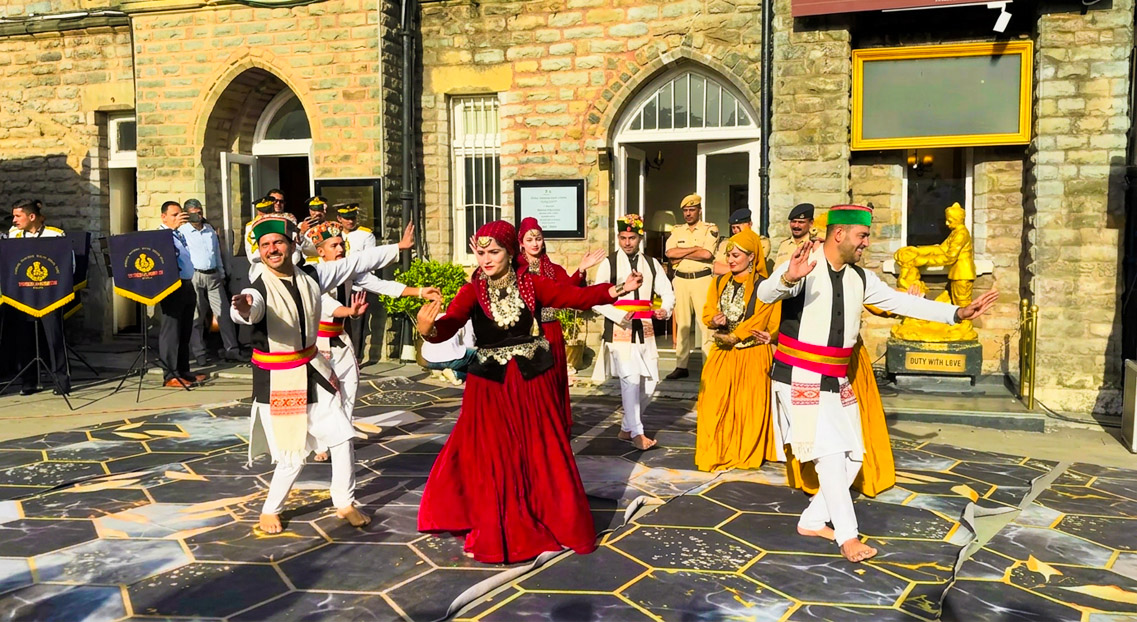
World culture is a beautiful reflection of how people live, communicate, celebrate, and connect with one another. Every country and community has its own traditions, customs, languages, food, clothing, music, art, and festivals that make it unique. These cultural elements are often passed from one generation to another, helping people understand their roots and maintain a connection with their history.
In 2026, world culture continues to evolve as people travel, communicate, study, and work across different countries. Technology and social media have made it easier to discover traditions from distant parts of the world. People can explore international festivals, learn new languages, enjoy.
y traditional recipes, and understand different lifestyles without travelling thousands of kilometres.
At the same time, communities are making efforts to protect their cultural heritage and preserve traditional practices. Although modern lifestyles are changing the way people celebrate and communicate, cultural identity remains an important part of everyday life.
Understanding world culture is not only about learning how people live in different countries. It is also about respecting their beliefs, appreciating their differences, and recognising the common values that connect humanity.
Understanding World Culture and Its Importance
World culture includes the traditions, beliefs, behaviours, artistic expressions, and social practices of people from different regions. It represents the shared experiences of communities and reflects how societies have developed over time.
Culture can be seen in everyday activities, such as preparing meals, celebrating special occasions, greeting others, wearing traditional clothing, and participating in community events. Even simple activities can carry deep cultural meanings.
For example, some communities express respect through bowing, while others prefer handshakes or greetings with folded hands. These differences show how cultural values influence communication and social relationships.
Culture is important because it helps people understand their identity and feel connected to their communities. It also encourages respect for different ways of living. When people learn about other cultures, they become more aware of the world’s diversity and develop a broader understanding of society.
Cultural knowledge can also strengthen relationships between countries. It creates opportunities for international cooperation, tourism, education, and creative exchange.
Traditional Customs Around the World

Traditional customs are practices that communities follow as part of their cultural identity. They may include greetings, family celebrations, marriage ceremonies, religious occasions, seasonal activities, and community gatherings.
Different countries have developed customs based on their history, environment, beliefs, and social values.
In India, traditional customs often include greeting others with Namaste, celebrating family occasions together, and observing festivals with prayers, decorations, and traditional meals. Family relationships and community participation play an important role in many Indian traditions.
In Japan, bowing is a common way to show respect and politeness. Traditional tea ceremonies also reflect patience, hospitality, and attention to detail.
In many African communities, storytelling, music, dance, and community gatherings help preserve historical knowledge and strengthen relationships between generations.
European cultures also have different customs related to dining, seasonal celebrations, family occasions, and social interaction. For example, traditional meals and local festivals often bring communities together.
Although customs differ across regions, many share similar purposes. They help people express respect, celebrate important moments, and maintain connections with family and society.
Cultural Festivals and Global Celebrations
Festivals are among the most exciting ways to experience world culture. They bring people together through music, dance, food, decorations, performances, and traditional ceremonies.
Many festivals are connected with religion, history, seasonal changes, harvests, or important community events. Each celebration has its own meaning and creates opportunities for people to share happiness and strengthen relationships.
Some popular cultural festivals include:
Diwali – India
Diwali, also known as the Festival of Lights, is one of India’s most widely celebrated festivals. Homes are decorated with lamps, candles, colourful rangoli designs, and lights. Families exchange sweets, visit relatives, and celebrate with traditional customs.

The festival represents the victory of light over darkness and good over evil. Its celebrations also take place in different countries where Indian communities live.
Chinese New Year – China
Chinese New Year marks the beginning of the traditional lunar calendar. Families gather for special meals, decorate homes with red lanterns, and participate in cultural performances.
Dragon dances, lion dances, fireworks, and family reunions are important parts of the celebrations. The occasion is also associated with fresh beginnings, prosperity, and good fortune.
Carnival – Brazil
Brazilian Carnival is famous for its energetic music, colourful costumes, dancing, and large street celebrations. Samba performances are a major attraction, especially in Rio de Janeiro.
The festival highlights Brazil’s creative traditions and brings together local communities and international visitors.
Holi – India

Holi is a colourful festival that celebrates joy, friendship, and the arrival of spring. People play with coloured powders, enjoy traditional food, listen to music, and spend time with family and friends.
It is also an occasion for strengthening relationships and celebrating togetherness.
Oktoberfest – Germany
Oktoberfest is a traditional festival held in Munich, Germany. It features Bavarian music, traditional clothing, regional food, and community celebrations.
Visitors experience German hospitality, local traditions, and cultural performances during the event.
Hanami – Japan
Hanami is a Japanese tradition of enjoying cherry blossoms during spring. Families and friends gather in parks to appreciate the flowers and spend time outdoors.
The tradition reflects an appreciation of nature and the temporary beauty of life.
These celebrations demonstrate how festivals preserve cultural identity while creating opportunities for people from different backgrounds to participate and learn.
Traditional Food and Culinary Heritage

Food is an important part of cultural identity because it reflects a region’s history, climate, agricultural practices, and lifestyle. Traditional recipes are often passed down through families, keeping memories and customs alive.
Every country has distinctive flavours, ingredients, and cooking methods that tell a story about its people.
Indian cuisine is known for its variety of spices, regional recipes, breads, rice dishes, and vegetarian and non-vegetarian meals. Dishes such as biryani, dosa, dal, and regional curries represent the country’s culinary diversity.
Italian food is popular for its pasta, pizza, fresh ingredients, and traditional cooking techniques. Different regions of Italy have their own special recipes and food customs.
Japanese cuisine includes sushi, ramen, miso soup, and other dishes prepared with attention to balance, presentation, and seasonal ingredients.
Mexican food is recognised for its colourful ingredients, corn-based dishes, beans, chillies, and traditional recipes such as tacos and tamales.
Middle Eastern cuisine includes dishes such as hummus, falafel, kebabs, and various rice preparations. These foods are often connected with family gatherings and hospitality.
Traditional food also plays an important role during festivals, weddings, and religious celebrations. Preparing and sharing meals allows families to maintain connections and introduce younger generations to their culinary heritage.
In 2026, international food culture is becoming more accessible through restaurants, food festivals, cooking videos, and online recipes. People can explore different cuisines while learning about the cultural stories behind each dish.
Traditional Clothing and Cultural Identity
Traditional clothing represents the history, environment, creativity, and identity of different communities. Clothing styles have developed over generations and often reflect local materials, weather conditions, occupations, and social traditions.
In India, sarees, salwar suits, lehengas, dhotis, and regional traditional outfits are worn during festivals, weddings, and cultural occasions. Different regions have their own weaving styles, fabrics, colours, and embroidery techniques.
In Japan, the kimono is a recognised traditional garment associated with cultural ceremonies and special occasions. Its designs, patterns, and styles can reflect seasons and traditional aesthetics.
In Scotland, the kilt is an important traditional garment often associated with Scottish heritage and ceremonial events.
Many African communities have distinctive clothing traditions featuring colourful fabrics, detailed patterns, beadwork, and handcrafted accessories. These designs can represent regional identity and artistic traditions.
Traditional clothing is not limited to historical celebrations. Many designers combine cultural patterns and traditional fabrics with modern fashion. This allows traditional craftsmanship to remain relevant while creating new styles.
However, cultural clothing should always be appreciated with respect for its history and meaning rather than treated only as a fashion trend.
Languages and Communication Across Cultures
Language is one of the strongest foundations of cultural identity. It allows people to share stories, express emotions, communicate knowledge, and pass traditions to future generations.
Thousands of languages are spoken around the world, each carrying its own expressions, literature, historical experiences, and regional identity.
English is widely used for international communication, while languages such as Mandarin Chinese, Spanish, Hindi, Arabic, French, Bengali, and Portuguese are spoken by large populations.
Local and indigenous languages are equally important because they preserve traditional knowledge, community histories, folklore, and unique ways of understanding the environment.
Learning another language can help people understand different cultures more deeply. It also improves communication during travel, education, and international business.
Technology has created new opportunities for language learning. Online classes, translation applications, digital dictionaries, and educational videos allow learners to explore unfamiliar languages.
However, many smaller languages face challenges because younger generations may use dominant languages more frequently. Supporting local language education, literature, and cultural programmes can help protect this valuable heritage.
Music and Dance as Cultural Expressions

Music and dance are powerful forms of cultural expression. They communicate emotions, tell stories, celebrate important occasions, and bring communities together.
Different regions have developed unique musical instruments, rhythms, singing styles, and dance forms based on their traditions.
Indian classical music includes Hindustani and Carnatic traditions, while folk music varies across different states and communities. Classical dance forms such as Bharatanatyam, Kathak, Odissi, and Kuchipudi represent centuries of artistic development.
Spanish culture is widely associated with flamenco, a performance tradition involving expressive singing, guitar music, and dance.
African musical traditions include diverse drumming styles, vocal performances, and community dances that play important roles in social and cultural life.
Brazilian samba combines music and dance and is strongly connected with Carnival celebrations.
Japanese traditional performances include forms such as Noh and Kabuki theatre, which combine music, movement, costumes, and storytelling.
Today, music from different countries reaches global audiences through streaming platforms and social media. International collaborations allow artists to combine traditional sounds with modern genres.
These creative exchanges help introduce cultural expressions to new audiences while keeping traditional art forms visible.
Art, Architecture and Historical Heritage
Art and architecture provide valuable information about the history and development of societies. Buildings, paintings, sculptures, monuments, and traditional crafts reflect the ideas, skills, beliefs, and creativity of earlier generations.
Historical architecture is especially important because it shows how people designed their homes, religious spaces, public buildings, and monuments according to available materials and cultural influences.
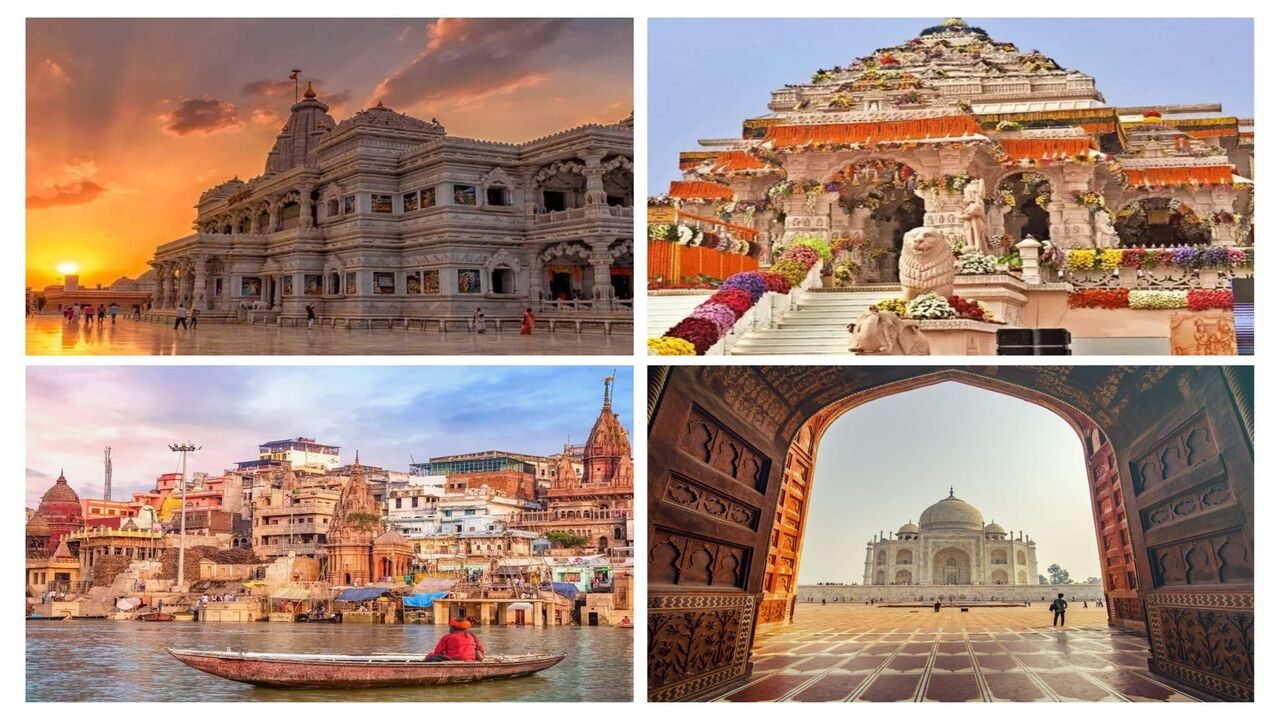
The Taj Mahal in India is known for its detailed craftsmanship and historical significance. The Great Wall of China represents an extraordinary example of historical engineering. The ancient city of Petra in Jordan reflects impressive rock-cut architecture.
European heritage includes historic castles, cathedrals, museums, and public squares that represent different architectural periods.
Traditional art also includes pottery, weaving, wood carving, painting, metalwork, and handmade decorations. These crafts often require specialised skills that artisans learn through years of practice.
Preserving cultural heritage means protecting these places, objects, and artistic traditions for future generations. Museums, conservation projects, cultural organisations, and local communities all contribute to this work.
Religious Traditions and Spiritual Practices
Religion and spirituality influence the customs, values, celebrations, and daily activities of many communities. Different societies follow different religious traditions, while some people follow personal spiritual practices or do not identify with a religion.
Major religious traditions include Hinduism, Buddhism, Christianity, Islam, Judaism, Sikhism, and many other belief systems.
Religious occasions often bring families and communities together. They may involve prayers, fasting, charity, gatherings, special meals, and cultural ceremonies.
For example, Eid is celebrated by Muslims with prayers, family visits, charity, and festive meals. Christmas is observed by Christians through church services, decorations, gift-giving, and family gatherings. Vesak is an important Buddhist occasion associated with the life and teachings of Gautama Buddha.
In India, festivals such as Diwali, Holi, Gurpurab, and Eid are celebrated by different communities, reflecting the country’s diverse cultural environment.
Religious diversity teaches an important lesson about mutual respect. People can understand different beliefs without needing to follow them. Respectful communication and peaceful coexistence help create inclusive communities.
Family Values and Social Relationships
Family structures and social relationships differ across countries, but family remains an important part of life in many societies.
In several Asian cultures, family relationships often involve close connections between generations. Grandparents, parents, children, and relatives may participate in family decisions and celebrations.
In many Western societies, independent living and individual decision-making are more common, although family relationships remain important.
Social customs also influence how people communicate with elders, welcome guests, celebrate marriages, and support relatives.
In some cultures, weddings are large community events involving several ceremonies, traditional clothing, music, and special meals. Other communities prefer smaller gatherings with simpler arrangements.
Hospitality is another important cultural value. Offering food, welcoming guests, and sharing time with visitors are common practices in many parts of the world.
Although family lifestyles continue to change, respect, care, support, and belonging remain important values across many cultures.
The Influence of Globalisation on World Culture
Globalisation has increased connections between countries through trade, travel, education, communication, and technology. As a result, cultural ideas and creative practices move across borders more quickly than before.
People can enjoy international films, music, fashion, food, and entertainment without leaving their home countries. Students can study foreign languages, professionals can work with international teams, and travellers can explore different lifestyles.
For example, Korean music and entertainment have gained international audiences, while Indian films, food, yoga, and traditional celebrations are enjoyed in many parts of the world.
International food chains, fashion brands, digital entertainment, and social media trends also influence local lifestyles.
However, globalisation can create challenges for traditional communities. Some local languages, crafts, recipes, and customs may receive less attention when global trends become more popular.
The key is to maintain a balance between cultural exchange and cultural preservation. Communities can welcome new ideas while continuing to support their own traditions.
Technology and the Changing Face of Culture in 2026
Technology is changing how people discover, share, and preserve cultural knowledge. Digital platforms have made cultural experiences more accessible to international audiences.
Social media allows people to share traditional recipes, festival celebrations, folk dances, regional clothing, and historical information. A local cultural event can now reach viewers across the world through short videos and livestreams.
Virtual museum tours allow visitors to explore historical collections remotely. Digital archives help researchers and communities preserve photographs, documents, artwork, and recordings.
Artificial intelligence is also being used in language translation, historical research, digital restoration, and cultural education. These tools can make information more accessible, although historical material should be checked carefully for accuracy.
Technology can also support endangered languages by helping communities create digital dictionaries, learning resources, and recorded stories.
However, online cultural information is not always reliable. Some traditions may be presented without proper context, and misleading content can create misunderstandings.
Responsible digital sharing requires checking information, respecting cultural ownership, and giving proper recognition to traditional artists and communities.
Cultural Tourism and Exploring Different Countries
Cultural tourism allows travellers to experience the traditions, history, food, architecture, and lifestyles of different communities.
Unlike trips focused only on entertainment or relaxation, cultural travel encourages visitors to understand the places they explore.
India offers many opportunities for cultural tourism through historical monuments, traditional markets, regional festivals, temples, palaces, and local food experiences.
Japan attracts visitors interested in traditional gardens, historic temples, cultural ceremonies, and seasonal festivals.
Italy is known for its historic cities, museums, architecture, regional cuisine, and artistic heritage.
Egypt offers opportunities to explore ancient monuments, historical sites, museums, and archaeological discoveries.
Morocco provides experiences through traditional markets, architecture, crafts, and regional cuisine.
Cultural tourism can support local businesses, guides, artisans, restaurants, and traditional performers. It also creates opportunities for visitors to learn directly from local communities.
Responsible tourism is essential. Travellers should respect local customs, follow rules at heritage sites, avoid damaging historical places, and seek permission before photographing people or cultural ceremonies.
Challenges in Preserving Cultural Heritage
Although cultural heritage is valuable, many traditions and historical resources face different challenges.
One major concern is the loss of indigenous and regional languages. When fewer people speak a language, traditional stories, expressions, and knowledge may gradually disappear.
Another challenge is the decline of traditional craftsmanship. Handmade products sometimes struggle to compete with inexpensive mass-produced alternatives. As a result, younger generations may choose other career opportunities instead of learning traditional skills.
Urban development and environmental damage can also threaten historical buildings, monuments, and cultural landscapes.
Migration and changing lifestyles may affect community celebrations and traditional family practices. While cultural change is natural, some valuable practices may disappear without documentation or support.
Digital misinformation creates another challenge because cultural traditions can be misunderstood or represented inaccurately.
Governments, educational institutions, museums, local organisations, and communities can work together to address these issues. Supporting artisans, documenting traditional knowledge, maintaining heritage sites, and teaching local history are practical ways to protect cultural diversity.
How People Can Celebrate and Respect Different Cultures

Learning about different cultures does not require international travel or expensive experiences. People can explore cultural diversity through simple everyday activities.
Here are some meaningful ways to appreciate world culture:
- Explore Traditional Food: Prepare recipes from different countries and learn about their ingredients and cultural importance.
- Learn New Languages: Understand basic greetings and expressions from other languages.
- Celebrate Cultural Festivals: Discover the history and meaning behind international celebrations.
- Enjoy Traditional Music: Listen to folk songs, classical performances, and regional music.
- Visit Museums: Explore historical objects, artwork, and cultural exhibitions.
- Read International Literature: Discover stories and perspectives from different countries.
- Support Local Artisans: Purchase authentic handmade products and appreciate traditional craftsmanship.
- Respect Cultural Differences: Avoid making assumptions about people based on their clothing, language, or beliefs.
- Explore Cultural History: Learn about historical places, monuments, and important community traditions.
- Share Knowledge Responsibly: Use reliable information when discussing or presenting another culture.
These activities help people develop curiosity, cultural awareness, and respect for different communities.
The Future of World Culture
The future of world culture will be shaped by technology, international communication, education, migration, and changing social values.
Younger generations are increasingly discovering cultural traditions through digital platforms, online communities, educational programmes, and international experiences.
Traditional clothing is influencing modern fashion, regional recipes are becoming part of international food culture, and local music is reaching audiences far beyond its place of origin.
At the same time, communities are finding new ways to protect their heritage. Digital archives, cultural education, traditional craft programmes, and international heritage initiatives can help preserve valuable knowledge.
The future of culture does not mean that every tradition must remain unchanged. Cultural practices naturally develop as societies grow and experience new influences.
What matters is that communities have the opportunity to protect their identity, share their traditions, and decide how their cultural knowledge should be represented.
A strong cultural future will depend on balancing innovation with respect for history. By appreciating both traditional practices and modern creativity, people can build a world where cultural diversity continues to grow.
Conclusion
World culture represents the shared history, creativity, traditions, and experiences of humanity. From traditional festivals and regional cuisines to languages, clothing, music, and historical architecture, every cultural expression contributes something valuable to the world.
In 2026, global communication and technology are making cultural knowledge more accessible than ever. People can explore international traditions, learn about different communities, and develop meaningful connections across borders.
Frequently Asked Questions
1. What is world culture?
World culture includes the traditions, languages, food, festivals, beliefs, and lifestyles of different communities.
2. Why is cultural heritage important?
Cultural heritage preserves history, traditions, knowledge, and the identity of communities.
3. How do festivals represent culture?
Festivals reflect religious beliefs, historical events, seasonal changes, and community traditions.
4. How does technology influence world culture?
Technology helps people discover, share, learn, and preserve cultural traditions through digital platforms.
5. How can people experience different cultures?
People can explore international food, music, festivals, languages, literature, museums, and cultural travel.

Leave a Reply