
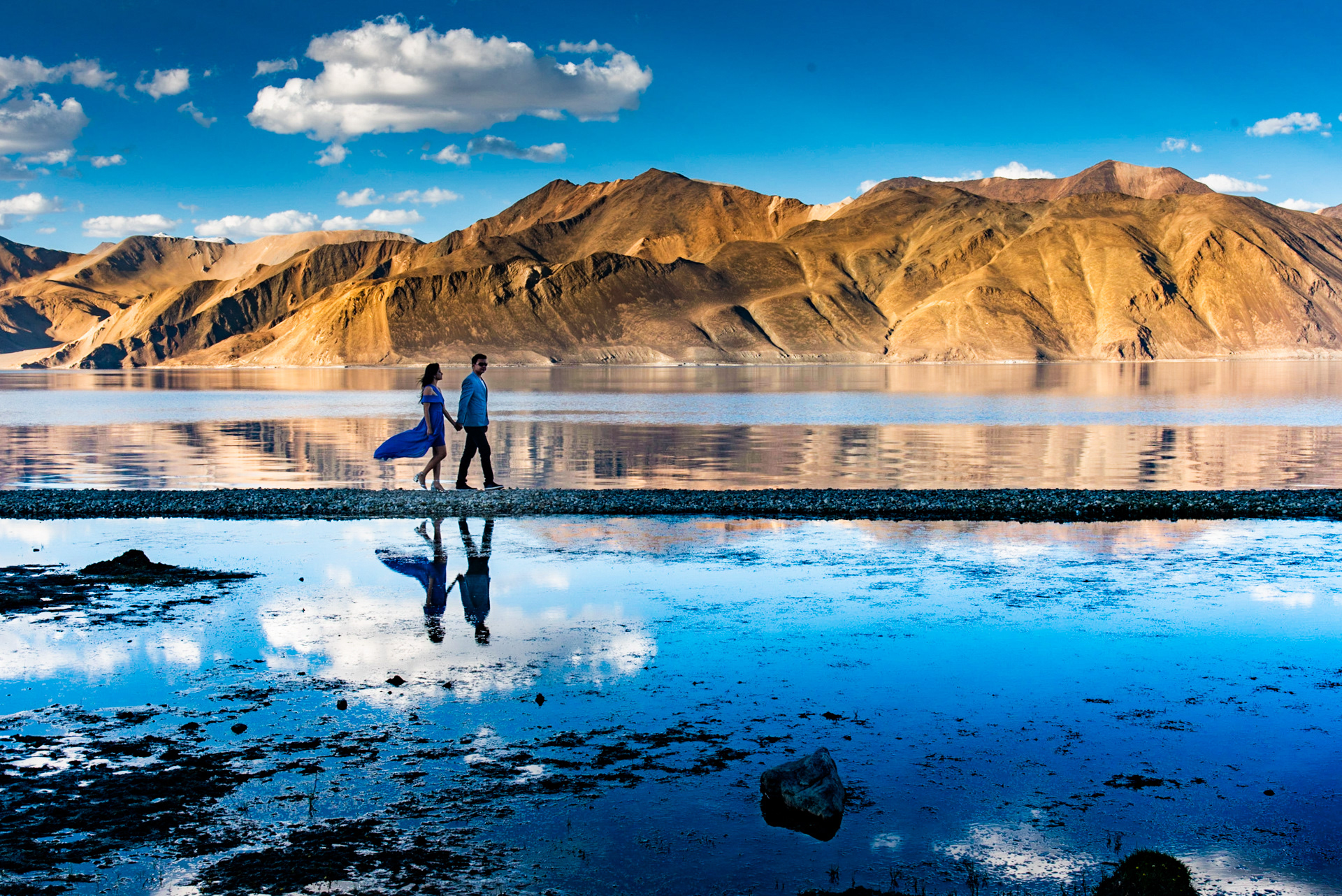
Travel photography is much more than capturing beautiful landscapes or famous landmarks—it’s about preserving emotions, telling stories, and showcasing the unique character of every destination you visit. A single photograph can transport viewers to a misty mountain at sunrise, a bustling local market, or a peaceful lakeside where nature reveals its finest colors. Great travel photography combines technical skills, creativity, patience, and a willingness to explore beyond the obvious.
Every destination offers a different visual experience. Some are famous for dramatic mountain landscapes, while others captivate photographers with colorful streets, historical architecture, vibrant festivals, or incredible wildlife. Choosing the right location can transform an ordinary photography trip into an unforgettable adventure filled with extraordinary images.
In this guide, we’ve selected ten of the world’s most photogenic travel destinations that consistently inspire photographers of all skill levels. Whether you’re carrying a professional DSLR, a mirrorless camera, or simply a smartphone, these destinations provide countless opportunities to build an impressive travel photography portfolio.
1. Ladakh, India – A Dream Destination for Landscape Photographers


Located in the northern Himalayas, Ladakh is often described as one of the most breathtaking travel photography destinations in the world. Towering snow-covered mountains, turquoise alpine lakes, ancient Buddhist monasteries, winding roads, and vast high-altitude deserts create landscapes that seem almost surreal. Every kilometer you travel reveals another spectacular viewpoint waiting to be photographed.
Unlike many tourist destinations, Ladakh offers raw, untouched beauty. The dramatic contrasts between colorful prayer flags, barren mountains, crystal-clear lakes, and deep blue skies make every frame look cinematic. Whether you are photographing landscapes, local culture, wildlife, or astrophotography, Ladakh delivers endless inspiration.
Why Photographers Love It
Photographers are drawn to Ladakh because of its incredible diversity. You can photograph sunrise over Pangong Lake, explore the sand dunes of Nubra Valley during the afternoon, and capture the Milky Way under one of the clearest night skies in Asia.
The changing weather also creates unique photographic opportunities. Clouds drifting across mountain peaks, golden evening light illuminating monasteries, and reflections in pristine lakes ensure that no two photographs ever look the same.
Famous Photography Spots
- Pangong Lake
- Nubra Valley
- Tso Moriri Lake
- Khardung La Pass
- Hemis Monastery
- Thiksey Monastery
- Leh Palace
- Magnetic Hill
Each location offers completely different compositions, making Ladakh a destination where photographers rarely run out of ideas.
Best Photo Opportunities
The sunrise at Pangong Lake is one of the most magical moments you’ll experience. As sunlight gradually reaches the lake, the water changes from deep blue to brilliant turquoise, while the surrounding mountains glow with warm golden tones.
Monasteries such as Thiksey and Hemis provide opportunities to photograph monks, prayer wheels, traditional ceremonies, and centuries-old architecture. Meanwhile, Nubra Valley combines deserts, camels, rivers, and snow-capped mountains in one extraordinary landscape.

Best Season to Visit
The ideal time for photography is between June and September, when roads remain open, skies are clear, and daytime temperatures are comfortable.
Winter is perfect for experienced photographers interested in snow landscapes and wildlife such as the elusive snow leopard.
Camera Tips
- Use a wide-angle lens (16–35mm) for landscapes.
- Carry a telephoto lens (70–200mm) for wildlife and mountain details.
- Shoot during the Golden Hour for soft, natural lighting.
- Always photograph in RAW format for maximum editing flexibility.
- Keep extra batteries because cold weather drains power quickly.
Personal Travel Insight
One of the most unforgettable moments in Ladakh isn’t a famous landmark—it’s simply standing beside Pangong Lake before sunrise. As silence surrounds you and the first rays of light slowly paint the mountains in shades of orange and gold, you realize why photographers return here again and again. It’s not just about taking pictures; it’s about experiencing nature at its purest.
Photography Challenges
The high altitude can cause fatigue, and weather conditions change quickly. Dusty roads require frequent lens cleaning, while bright sunlight often creates harsh shadows during midday.
Pro Tips
✔ Arrive before sunrise to capture soft lighting and avoid crowds.
✔ Carry a polarizing filter to enhance lake reflections and deepen blue skies.
✔ Respect local traditions when photographing monasteries and residents.
✔ Spend five to six days exploring different valleys to experience Ladakh’s diverse landscapes.
2. Santorini, Greece – The World’s Most Photogenic Island


Santorini is famous for its whitewashed houses, blue-domed churches, dramatic volcanic cliffs, and spectacular sunsets overlooking the Aegean Sea. Few places in the world are as instantly recognizable through photographs as this beautiful Greek island.
Although millions of tourists visit every year, Santorini continues to inspire photographers because every narrow alley, rooftop terrace, and cliffside viewpoint offers a new perspective. The island’s iconic architecture, combined with the deep blue sea, creates timeless compositions that look stunning in every season.
Why Photographers Love It
Santorini provides natural leading lines, vibrant colors, and exceptional lighting almost everywhere you look. During sunrise, the streets remain peaceful, allowing photographers to capture clean architectural shots before the crowds arrive.
The island is also perfect for lifestyle photography, honeymoon portraits, drone photography, and sunset landscapes, making it one of the most versatile photography destinations in Europe.
Famous Photography Spots
- Oia Village
- Fira
- Skaros Rock
- Red Beach
- Blue Dome Churches
- Ammoudi Bay
- Santo Wines Viewpoint
Each location presents different lighting conditions throughout the day, encouraging photographers to revisit them for fresh compositions.
Best Photo Opportunities
The sunset in Oia is undoubtedly Santorini’s signature photography experience. Watching the white buildings gradually glow under warm golden light while the sea reflects shades of orange, pink, and purple creates unforgettable images.
The famous Blue Dome Churches, framed against the sparkling Aegean Sea, remain among the island’s most iconic photography subjects.

Best Season to Visit
Visit between April and June or September and October for pleasant weather, beautiful lighting, and fewer tourists.
Camera Tips
- Use a wide-angle lens for architecture and scenic viewpoints.
- A 24–70mm zoom lens is ideal for travel photography.
- Shoot early in the morning to avoid crowds.
- Use HDR mode carefully when photographing bright white buildings under direct sunlight.
Personal Travel Insight
Walking through Oia before sunrise feels completely different from visiting during the afternoon. The quiet streets, fresh sea breeze, and soft morning light make photography much more enjoyable. It also allows you to appreciate the island’s peaceful atmosphere before it becomes busy with visitors.
Photography Challenges
Harsh midday sunlight creates strong shadows on white buildings, while the island’s most famous viewpoints become extremely crowded during sunset.
Pro Tips
✔ Wake up before sunrise for crowd-free photography.
✔ Explore hidden streets and quiet alleys beyond the main tourist areas.
✔ Include people in your compositions to add scale and storytelling.
✔ Stay overnight in Oia so you can photograph both sunrise and sunset without rushing.
Travel photography is about much more than collecting beautiful pictures—it’s about capturing moments, preserving memories, and telling stories that reflect the spirit of every destination you visit. From the rugged mountains of Ladakh and the whitewashed streets of Santorini to the historic temples of Kyoto and the dramatic landscapes of Iceland, each destination offers a unique perspective that can transform an ordinary trip into an unforgettable visual journey.
The key to creating remarkable travel photographs isn’t owning the most expensive camera—it’s understanding light, composition, timing, and storytelling. By planning your shoots around the golden hour, exploring beyond the popular tourist spots, respecting local cultures, and embracing every unexpected moment, you’ll capture images that are both meaningful and memorable.
Frequently Asked Questions
1. Which country is best for travel photography?
Countries like Iceland, Japan, India, New Zealand, Greece, and Canada are among the best for travel photography due to their diverse landscapes, cultural heritage, and iconic landmarks.
2. What camera is best for travel photography?
A mirrorless camera is often the best choice because it offers excellent image quality while remaining lightweight. However, modern smartphones can also capture stunning travel photos.
3. What is the best time of day for travel photography?
The golden hour—shortly after sunrise and before sunset—is the ideal time for travel photography because it provides soft, warm light and enhances natural colors.
4. Which lens should I carry for travel photography?
A 24–70mm zoom lens is the most versatile for travel photography. If you enjoy landscapes, a 16–35mm wide-angle lens is an excellent addition.
5. Can beginners take professional-looking travel photos?
Absolutely! By understanding composition, lighting, and basic camera settings, beginners can capture impressive travel photographs with almost any camera.




Leave a Reply