
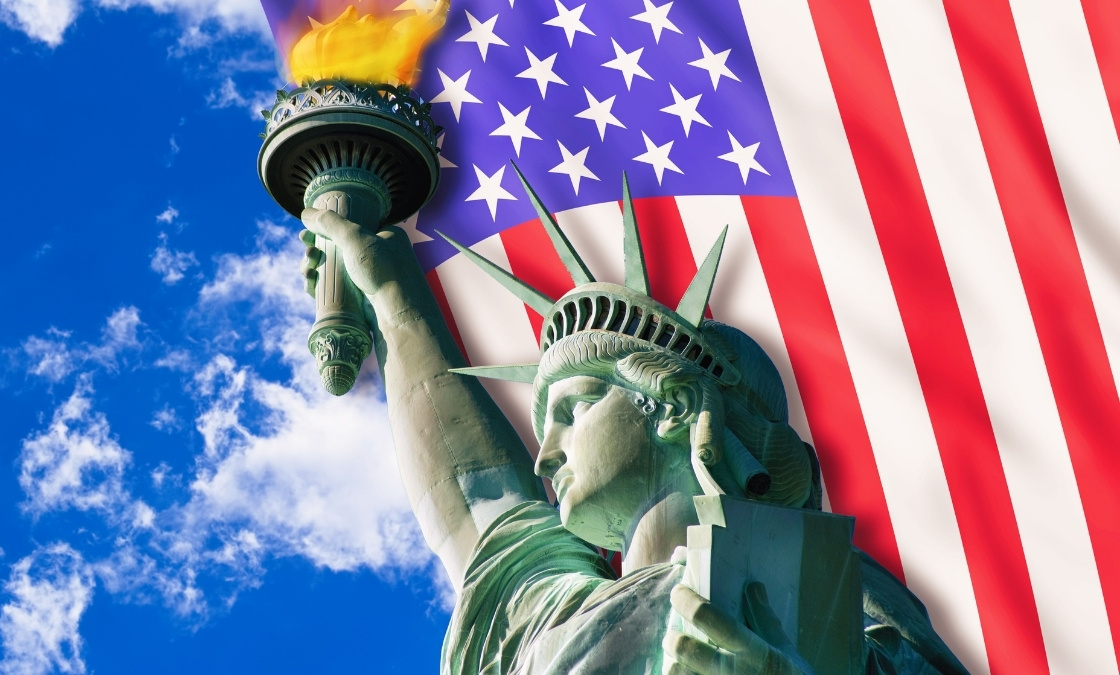
If you want to understand America, you have to realize right from the start that it is less of a static, well-behaved museum exhibit and more of an ongoing, messy, loud, and beautiful conversation. People often talk about American culture as if it were a single, defined thing—something you can package, label, and put on a shelf. But anyone who has spent real time there knows that’s not true. America is a massive, sprawling patchwork quilt of identities, history, and raw ambition. It’s a place that is constantly reinventing itself, and that is precisely what makes it so fascinating to dig into.
Layers of History and a Complicated Past

When we talk about the history of this place, we aren’t just talking about dry dates in a textbook. We are talking about layers of deeply human stories that have been stacked on top of one another for centuries. Before the country was even a concept on a map, it was a home to Native American tribes who possessed a deep connection to the land—a rhythm of life that still echoes in the way we name our cities, mountains, and rivers today.
Then came the waves of settlers from Europe, bringing their own baggage, customs, and dreams, colliding with the traditions already here. And we have to be honest enough to acknowledge the profound pain in the narrative—the forced arrival of African people through slavery, a tragedy that fundamentally shaped the music, the language, the food, and the very soul of the nation. When you look at American culture, you are looking at all of these things at once: the beauty of the original inhabitants, the influence of the settlers, and the enduring, irreplaceable contributions of those who fought through oppression to build their own cultural identity.
Moving Beyond the Melting Pot

The modern American experience is essentially a constant balancing act. People often use the term “melting pot” to describe it, but a “salad bowl” feels much more accurate to the lived experience. It is a place where people from all over the globe show up, bringing their grandma’s secret spice blends, their religious festivals, and their unique ways of seeing the world, and they don’t just dissolve into one generic mass.
Instead, they live side-by-side, creating this vibrant, colorful, sometimes chaotic energy. You can walk down a single street in a major city and hear four different languages, smell five different types of cooking, and see traditions from entirely different continents all happening within the same block. It’s an openness to different perspectives that, at its best, makes the country feel like a microcosm of the entire world.
The Push and Pull of Everyday Family Life

This brings us to how people actually live their daily lives, which is where things get really interesting. Take the idea of family, for example. There is a fierce American value placed on independence—the idea that you should eventually stand on your own two feet and build your own life—but that doesn’t mean family bonds are weak. They’re just structured differently than in more collectivist societies.
For many, family life is the emotional anchor. It’s the chaotic, loud Thanksgiving dinner where everyone is trying to talk over each other, or the simple weekend ritual of a baseball game in the backyard. Even though Americans are known for moving across state lines for work or school, these traditions—the holiday baking, the summer road trips, the birthday celebrations—are the glue that holds everything together. They are the ways people say, “Even though we’re all out there doing our own thing, we belong to each other.”
A Calendar Vibrating with Energy

You can’t talk about American culture without talking about the holidays. It’s like the country has a built-in rhythm of celebration that brings communities together. Independence Day isn’t just about the fireworks; it’s a massive collective exhale of patriotism, summer heat, and barbecue smoke. Thanksgiving is the quiet, heavy, grateful pause in the middle of a busy year, focused entirely on food and togetherness. Then you have Halloween, which turns entire neighborhoods into playful, spooky creative zones.
But because the country is so diverse, you also have this incredible overlap where Diwali, Lunar New Year, Ramadan, and Hanukkah are all happening alongside traditional federal holidays. It makes the American calendar feel like it’s constantly vibrating with different cultural energies, depending on whose neighborhood you are walking through.
The Story of Immigration on a Plate

Now, let’s talk about food, because that is where the soul of the country really reveals itself. American food is the ultimate global remix. It isn’t just one style of cooking. It is the story of immigration on a plate.
You have the deep, slow-cooked comfort traditions of the South, the crisp, no-nonsense street food of the Northeast, the bold, spicy flavors of the Southwest that have been influenced by Mexico for generations, and the fresh, farm-to-table focus of the West Coast. It is a culture that loves convenience—you can’t talk about America without mentioning the fast-food culture that feeds a busy nation on the go—but it is also a culture that is increasingly obsessed with organic ingredients, vegan options, and culinary experimentation. A burger is just a burger, right? Not in America. In America, it’s a canvas for regional pride, obsession, and reinvention.
Dreams, Beats, and Screen Time

If you look at the entertainment landscape, you get a sense of what the country dreams about and struggles with. Hollywood and the American music industry aren’t just businesses; they are the biggest cultural exports the country has. They dictate global trends, and that’s because they tap into something universal—the desire to be moved, to be thrilled, or to feel understood.
From the blues born in the Mississippi Delta to the hip-hop that took over global youth culture, American music is the sound of people expressing their raw reality. American entertainment is usually at its best when it’s trying to tell a very human, very specific story that somehow ends up resonating with everyone else. It’s not just about flashy special effects; it’s about public opinion, social commentary, and the constant, restless pursuit of something new.
The Friday Night Lights Ritual

Then there is the sports culture, which is practically a religion in some parts of the country. You go to a college football game in the South or a professional basketball game in a major city, and you aren’t just watching an athletic event. You are watching a community rally around a shared identity.
Sports are where the American emphasis on teamwork, grit, and winning comes to the surface. It’s the way young people learn to handle victory and defeat, and it’s a massive part of the social fabric. Whether it’s a local neighborhood pickup game, high school Friday night lights, or the absolute spectacle of the Super Bowl, sports provide a common language that bridges gaps between people who might otherwise have absolutely nothing in common.
Growing Up in the Classroom and Beyond

The American education system is another reflection of what the culture values most—the idea of achievement and the belief that you can change your station in life if you work hard enough. School isn’t just about memorizing facts from a chalkboard; it’s about developing the “whole” person.
Students are actively pushed to participate in extracurricular activities like marching band, debate club, student council, and volunteering. These are seen as essential for building character and leadership skills. Graduation ceremonies, school dances, and campus traditions are deeply sentimental parts of growing up. While higher education faces major modern challenges regarding affordability, it is still viewed in the culture as a sacred time for learning, self-discovery, and building a network for the future.
The Relentless Drive of the Hustle

Finally, you have to look at the business culture, which is the engine that keeps the whole thing running. If there is one thing Americans are known for globally, it is the hustle. The business world here is fast, direct, and incredibly goal-oriented. Punctuality is respected, and communication is blunt and to the point.
There is a deep cultural respect for initiative—the idea that you can walk into a room with an idea, take ownership, and change the world. It’s a system that rewards the individual “doer.” But beneath all that efficiency and corporate structure is a deeper, very human desire: the dream of building something from scratch. It’s why startup culture and entrepreneurship feel like such a natural fit for the American spirit. It’s all about taking a calculated risk and trying to make it happen.
When you put all of these pieces together—the history, the diversity, the food, the sports, the relentless ambition—you get a picture of a culture that is notoriously difficult to pin down. It is often beautifully contradictory. It values community but loves individual freedom. It is rooted in tradition but obsessed with the future. It is serious about work but dedicated to play. The United States remains an ongoing experiment, a work in progress. It’s a culture that doesn’t just want to survive; it wants to be an adventure.
FAQs
1.What is the culture of the USA known for?
The culture of the USA is known for diversity, freedom, innovation, entertainment, sports, and a mix of global traditions.
2.Why is American culture so diverse?
American culture is diverse because of immigration, Indigenous heritage, African American influence, and the mixing of many ethnic communities.
3.What are the most important American holidays?
Some major holidays include Independence Day, Thanksgiving, Christmas, New Year’s Day, Memorial Day, and Labor Day.
4.What foods are popular in American culture?
Popular American foods include hamburgers, hot dogs, barbecue, fried chicken, apple pie, mac and cheese, and regional specialties.
5.What makes business culture in the USA unique?
Business culture in the USA is often direct, fast-paced, competitive, innovative, and focused on results.
6.Why is sports culture important in the USA?
Sports are important because they build community, school spirit, teamwork, and national excitement through major events like the Super Bowl and World Series.

Leave a Reply