
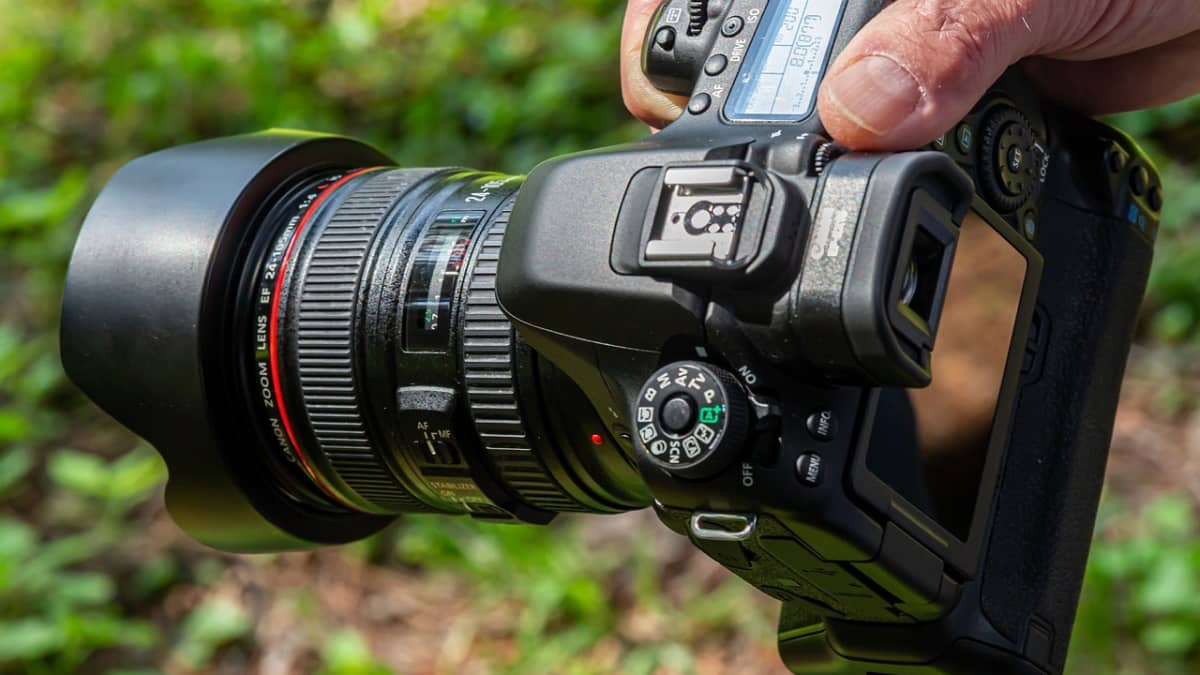
The absolute biggest lie the industry sells us is that a massive price tag on a camera body guarantees a breathtaking photo. It doesn’t. A ten-thousand-dollar setup in the hands of someone who doesn’t understand the soul of a frame will still yield flat, boring snapshots. True photography relies on things money can’t buy: an intimate dance with light, a sharp eye for composition, split-second timing, and raw curiosity. A master can pick up a basic, entry-level camera and create a masterpiece because they know how to bend the environment to their will.
Digital photography gives us an incredible luxury that early film photographers would have killed for: an instant, zero-cost feedback loop. You shoot, you look, you fail, you adjust, and you try again—all within three seconds. It turns the entire world into a sandbox for your creative growth. Whether your heart beats for rugged mountain landscapes, raw street portraits, macro details, or the chaotic joy of everyday life, mastering the basics is how you stop taking accidental snapshots and start creating intentional art.
Understanding Digital Photography

At its mechanical core, digital photography is simply the process of trapping light on a silicon sensor and converting those photons into data. But the second you step out of “Auto” mode, you realize it’s actually a beautiful conversation between human intent and technology. Unlike the old days of film where you had to wait days in an anxious sweat to see if your exposure hit the mark, the digital era gives you a front-row seat to your own learning curve.
Modern cameras are packed with mind-boggling tech—hyper-intelligent autofocus systems that track human eyes, incredible stabilization, and sensors that can practically see in the dark. But if you rely entirely on the camera’s brain to make the creative decisions, your photos will always look clinical and generic. True creative freedom begins the moment you understand why the camera is choosing certain settings, allowing you to override its robotic logic to capture the exact mood, shadow, or motion you see in your mind’s eye.
Choosing the Right Camera

If you query any online photography forum asking what gear to buy, you will be instantly buried under an avalanche of tribal arguments. DSLR purists will fight mirrorless fanatics, while smartphone defenders tell everyone to save their cash. Here is the unvarnished truth: the absolute best camera on the planet is the one that is actually in your hand when a moment unfolds.
Instead of obsessing over megapixels or brand loyalty, look for a tool that matches your actual lifestyle. If a camera body is too heavy, bulky, or complicated, you will leave it sitting on a shelf gathering dust. Pay attention to the ecosystem—investing in great glass (lenses) will always do more for your image quality than upgrading your camera body every year. Pick something that feels intuitive in your grip, because comfort breeds confidence.
Learn the Exposure Triangle

If you want to take off the training wheels of automatic shooting, you have to master the holy trinity of manual photography: Aperture, Shutter Speed, and ISO. These three pillars work in a constant, delicate balancing act to dictate exactly how bright, sharp, or creative your final image will be.
| Element | What It Controls | Creative Side Effect |
| Aperture | The physical opening inside the lens. | Dictates depth of field (blurry vs. sharp backgrounds). |
| Shutter Speed | How long the sensor is exposed to light. | Freezes hyper-fast action or creates gorgeous motion blur. |
| ISO | The digital amplification of the sensor’s light sensitivity. | Allows you to shoot in the dark, but adds grain/noise if pushed too high. |
Think of it like balancing a scale. If you open your aperture wide to get that creamy, cinematic background blur, you are letting in a flood of light. To keep from blowing out the image, you have to speed up your shutter or lower your ISO. Once you understand how these three variables pull and push against each other, the camera stops being a confusing black box and becomes a natural extension of your hands.
Master the Art of Composition

A photo can be perfectly exposed, critically sharp, and completely dead on arrival if the framing is uninspired. Composition is the emotional scaffolding of your image; it is how you guide a complete stranger’s eyes through your frame and tell them what matters.
The easiest place to start is the classic rule of thirds. Imagine a tic-tac-toe grid superimposed over your shot. Instead of slapping your subject dead-center like a target, try placing them along those gridlines or at the intersection points. It instantly creates a sense of movement and narrative balance.
Look for leading lines—like a winding road, a train track, or a row of trees—to physically pull the viewer’s gaze toward your subject. Utilize natural elements to create a frame within a frame (think windows, overhanging branches, or a doorway) to add layers of depth. Never underestimate the quiet elegance of negative space; giving your subject room to breathe can tell a far more powerful story than a crowded, chaotic frame.
Understand the Importance of Light

The word photography literally translates from Greek as “drawing with light.” Without light, you have nothing—but more importantly, the quality of that light dictates the entire emotional wavelength of your photo. Light isn’t just utility; it is the ultimate paint.
The light at 6:00 AM is completely different from the light at 12:00 PM. Beginners often make the mistake of shooting under the blazing midday sun, only to wonder why their subjects have deep, raccoon-like shadows under their eyes. Lean into the magic of the early mornings or late afternoons, when the sun sits low on the horizon, bathing the world in a soft, golden glow. If you are stuck indoors, don’t panic—position your subject near a large window to leverage beautiful, directional window light that sculpts faces with painterly soft shadows.
Focus Accurately

An image can survive a little bit of grain or a slight exposure mistake, but missed focus is almost impossible to salvage. Sharp focus tells the viewer exactly where the climax of your story lives.
While modern autofocus tracking feels like cheating, you still need to be the boss of your focal points. If you are shooting a portrait, your focus point needs to be locked ruthlessly onto the subject’s nearest eye—the eyes are the emotional anchor of human connection. If you are tracking a stray dog sprinting down a street or a friend skating, switch your camera over to continuous autofocus ($AF-C$ or Al Servo) so the lens dynamically tracks the distance change. Taking a single, deliberate heartbeat to confirm your focus before slamming the shutter down will save you a world of heartbreak when you pull the files up on a big screen later.
Explore Different Photography Styles

The world of digital photography is an endless playground with zero fences. The fastest way to find your unique voice is to try on as many different genres as possible, like old coats, until you find the one that fits perfectly.
- Landscape Photography: A lesson in solitude and patience, waiting for hours for the clouds to break over a ridge.
- Portraiture: A psychological game of building trust with a human being until their armor drops and their real self peeks through.
- Street Photography: Pure, unscripted adrenaline, capturing the fleeting poetry of everyday public life without permission or staging.
- Macro & Wildlife: Slipping into a hidden world, requiring immense stealth or revealing the terrifyingly beautiful details of a bug’s eye.
Do not box yourself into a niche too early. Play the field. Shoot architecture on Monday, food on Wednesday, and your friends on Saturday. Every single style teaches you a different nuance of light and timing.
Shoot in Manual Mode

Stepping away from the comfort of “Auto” mode for the first time can feel like jumping out of a plane without a parachute. Your first few manual shots will probably be entirely black or blindingly white. That is normal, and it is part of the tax you pay for creative greatness.
“Manual mode isn’t about being a snob; it’s about taking total creative ownership over your story.”
When you shoot in auto, the camera makes an educated guess based on averages. But averages don’t create mood. If you want a dark, moody silhouette against a bright sunset, the camera’s auto mode will try to fight you and brighten the shadows. Manual mode lets you tell the machine exactly what to do. Don’t try to learn it all in a panic. Spend a week just changing your aperture while letting the camera handle the rest. Then handle the shutter speed. Step by step, the muscle memory will kick in, and soon you’ll be adjusting dials without even taking your eye away from the viewfinder.
Edit Your Photos Thoughtfully

The creative process doesn’t end when the camera clicks shut. Back in the day, masters like Ansel Adams spent double the amount of time dodging and burning prints in a chemical darkroom than they did out in the mountains. Digital editing is just the evolution of that darkroom.
Tools like Lightroom or mobile editing apps aren’t meant to patch up sloppy technique or polish a bad photo into a good one. Their true purpose is to enhance the raw data your sensor captured and guide the mood. Use editing like a scalpel, not a chainsaw. Correct the exposure slightly, bring out the rich texture of the shadows, tweak the colors so they match the emotion of the day, and crop out that distracting trash can in the corner. The finest edits are the ones where the viewer has no idea the image was edited at all; they just think it’s a stunning moment.
Build Your Creative Eye

The ultimate goal of a photographer isn’t to look at the world, but to see it differently. Most people walk through life seeing things at eye level, moving at a standard clip. Your job is to break that monotony.
Train yourself to look for the things everyone else walks right past: the weird geometry of a shadow on the pavement, a striking pop of color in a dreary alleyway, or a perfect reflection inside a rain puddle. Change your physical relationship to your subject. Drop down onto your stomach and shoot from the dirt looking up, or climb up a set of stairs and shoot straight down. Pay fanatical attention to your background; a brilliant subject can be completely ruined by a stray pole looking like it’s growing out of their head. Unclutter your frame, simplify your vision, and let the main subject sing.
Be Patient with Your Progress

It is incredibly easy to fall into the trap of toxic comparison. You scroll through social media and see professionals who have spent decades refining their craft, shooting on pristine locations with high-end models, and you look at your own early frames and feel a wave of discouragement. Radical grace is required here.
Every single master photographer you admire started exactly where you are standing right now: holding a confusing piece of plastic, taking blurry, poorly exposed photos, and wondering why reality doesn’t match their vision. Photography is a slow-burn journey of accumulation. Celebrate the small wins—the day you finally nailed manual exposure, the frame where your focus was absolutely tack-sharp, or the shot that captured a family member’s genuine laugh. Keep your curiosity alive, fall in love with the process of looking at the world, and give yourself the time to grow.
FAQ’S
1. What is digital photography?
Digital photography is the process of capturing and storing images using a digital camera or smartphone.
2. How can I improve my photography skills?
Practice regularly, learn camera settings, understand lighting, and experiment with composition.
3. Do I need an expensive camera to take great photos?
No. Good photography depends more on skill, creativity, and technique than on expensive equipment.
4. Why is lighting important in photography?
Lighting affects the mood, clarity, colors, and overall quality of your photos.
5. Should beginners learn photo editing?
Yes. Basic editing helps enhance your photos by improving exposure, color, contrast, and sharpness.



Leave a Reply