
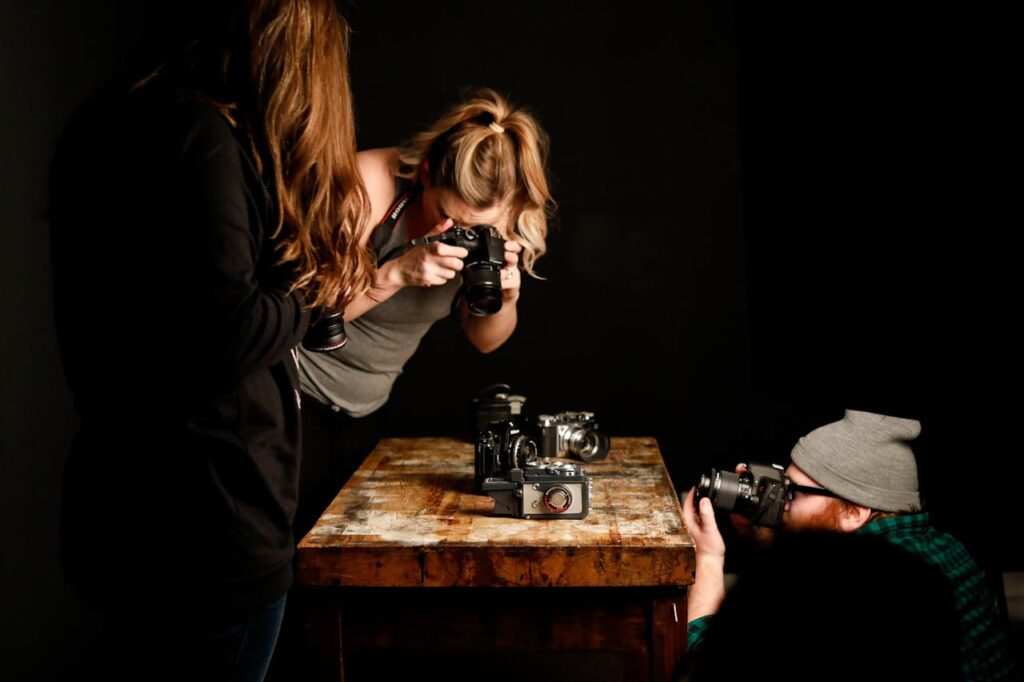
Photography is more than simply taking pictures—it’s a creative way to capture memories, tell stories, express emotions, and preserve special moments. Whether you’re photographing breathtaking landscapes, family celebrations, wildlife, travel destinations, or everyday life, learning the fundamentals of photography can help you create images that are both beautiful and meaningful.
In 2026, photography has become more accessible than ever. Modern smartphones feature advanced camera systems powered by Artificial Intelligence (AI), while digital cameras continue to offer professional-level image quality and creative control. With the right techniques, equipment, and practice, anyone can improve their photography skills and capture stunning images.
This comprehensive guide covers the essentials of photography, including camera basics, composition techniques, lighting, editing, equipment, and expert tips for beginners.
What Is Photography?

Photography is the art and practice of capturing images using a camera. Light enters the camera through the lens and is recorded by a digital sensor or film, creating a photograph that can be preserved, edited, and shared.
Photography combines creativity with technical knowledge. A great photograph depends on understanding camera settings, lighting, composition, timing, and the story you want to tell through your images.
Today, photography plays an important role in social media, journalism, marketing, education, travel, business, and personal memories.
Why Photography Is Important

Photography allows people to communicate visually and preserve moments that can be cherished for years.
Some key benefits include:
- Captures precious memories
- Encourages creativity
- Tells meaningful stories
- Documents important events
- Supports businesses and marketing
- Builds professional portfolios
- Creates artistic expression
- Preserves history and culture
Photography is both a valuable skill and an enjoyable hobby that anyone can learn.
Understanding Camera Basics

Before taking better photos, it’s important to understand how a camera works.
Camera Body
The camera body contains the sensor, controls, and processor that capture and process images.
Lens
The lens focuses light onto the camera sensor. Different lenses are designed for portraits, landscapes, sports, wildlife, and macro photography.
Image Sensor
The sensor captures light and converts it into a digital image. Larger sensors generally produce better image quality, especially in low-light conditions.
Viewfinder and Screen
These allow photographers to compose and preview their shots before capturing an image.
Essential Camera Settings

Understanding basic camera settings helps you gain more creative control.
Aperture
Aperture controls the amount of light entering the camera and affects background blur (depth of field).
Shutter Speed
Shutter speed determines how long the camera sensor is exposed to light. Faster shutter speeds freeze motion, while slower speeds create motion blur.
ISO
ISO controls the camera’s sensitivity to light. Lower ISO values produce cleaner images, while higher ISO settings help in darker environments but may introduce image noise.
White Balance
White balance adjusts colors to ensure photographs appear natural under different lighting conditions.
Photography Composition Techniques

Good composition helps create visually appealing photographs.
Rule of Thirds
Imagine dividing your image into nine equal sections. Positioning the main subject along these lines creates a balanced composition.
Leading Lines
Roads, rivers, fences, and pathways naturally guide the viewer’s eye toward the subject.
Framing
Use natural objects such as windows, trees, or doorways to frame your subject.
Symmetry
Balanced compositions often create striking and aesthetically pleasing images.
Negative Space
Leaving empty space around the subject helps emphasize the main focus of the photograph.
Importance of Lighting

Lighting is one of the most important elements of photography.
Natural Light
Morning and evening provide soft, warm lighting that is ideal for portraits and landscapes.
Golden Hour
The hour after sunrise and before sunset produces beautiful natural colors and gentle shadows.
Artificial Light
Studio lights, LED panels, and flash units provide consistent lighting for indoor photography.
Avoid Harsh Midday Sun
Bright overhead sunlight often creates strong shadows and high contrast that can reduce image quality.
Popular Types of Photography

Photography offers many creative specialties.
Portrait Photography
Focuses on capturing people and their personalities.
Landscape Photography
Captures mountains, forests, beaches, deserts, and natural scenery.
Wildlife Photography
Photographs animals in their natural environments.
Travel Photography
Documents destinations, cultures, architecture, food, and local experiences.
Street Photography
Captures everyday life, city scenes, and candid moments.
Product Photography
Used by businesses to showcase products for online stores, advertisements, and marketing campaigns.
Photography Equipment

Choosing the right equipment depends on your goals and budget.
Essential photography gear includes:
- DSLR or mirrorless camera
- Camera lens
- Tripod
- Memory cards
- Camera bag
- Extra batteries
- Lens cleaning kit
- External flash
- Remote shutter release
- Camera filters
Beginners can also achieve excellent results using modern smartphone cameras.
Photo Editing Basics

Editing enhances photographs while maintaining a natural appearance.
Popular editing adjustments include:
- Brightness
- Contrast
- Exposure
- Color balance
- Sharpness
- Cropping
- Noise reduction
- White balance correction
Moderate editing often produces the most professional-looking results.
Photography Tips for Beginners
Improve your skills by following these practical tips:
- Practice regularly.
- Learn manual camera settings.
- Keep your camera steady.
- Focus carefully on your subject.
- Experiment with different angles.
- Use natural light whenever possible.
- Study the work of experienced photographers.
- Review your photos to identify areas for improvement.
Photography improves with patience and consistent practice.
Photography Trends in 2026

Technology continues to transform photography.
Some major trends include:
AI-Powered Photography
Artificial Intelligence automatically improves image quality, adjusts exposure, and enhances portraits.
Drone Photography
Drones capture breathtaking aerial perspectives that were once difficult to achieve.
Computational Photography
Smartphones combine multiple images using advanced software to create detailed, high-quality photos.
Content Creation
Photography is increasingly important for social media, digital marketing, e-commerce, and personal branding.
Sustainable Photography
Many photographers are adopting environmentally responsible practices while traveling and working.
Common Photography Mistakes
Avoid these common beginner mistakes:
- Blurry images due to camera movement
- Poor lighting choices
- Incorrect focus
- Overediting photos
- Ignoring composition
- Using high ISO unnecessarily
- Crooked horizons
- Taking photos without planning the background
Learning from mistakes is an important part of becoming a better photographer.
The Future of Photography
Photography continues evolving through Artificial Intelligence, advanced smartphone cameras, mirrorless technology, cloud storage, and immersive imaging. AI-assisted editing, real-time image enhancement, and augmented reality are making photography more creative and accessible than ever before.
While technology continues to improve, creativity, storytelling, and personal vision will remain the most valuable skills every photographer can develop.
FAQs
1. What is photography?
Photography is the art of capturing images using a camera or smartphone.
2. Can beginners learn photography?
Yes, anyone can learn photography with regular practice and basic camera knowledge.
3. What is the best camera for beginners?
A smartphone, entry-level DSLR, or mirrorless camera is ideal for beginners.
4. What are the basic camera settings?
The key settings are aperture, shutter speed, ISO, and white balance.

Leave a Reply