
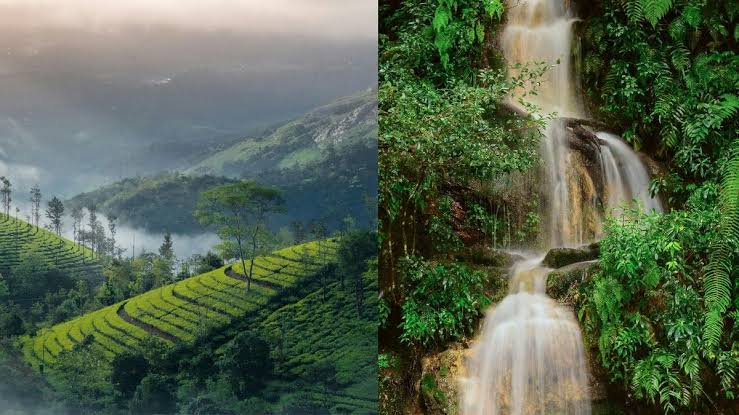
For many travelers, the arrival of the monsoon signals a time to pull back, stay indoors, or shelve vacation plans until the skies clear. Yet, those who have ventured out during the rainy season know a secret: the monsoon does not ruin landscapes; it resurrects them. Rain strips away the dust of summer, transforming parched valleys into roaring, emerald paradises, pumping vital energy into dormant waterfalls, swelling rivers, and wrapping mountain peaks in dramatic, shifting veils of mist. It offers a sensory, poetic style of travel that bright, sunny months simply cannot duplicate.
Beyond the dramatic visual shift, monsoon travel introduces a rare, reflective pace. The overwhelming crowds of peak tourist seasons thin out, leaving popular destinations quiet, cool, and intimate. Nature feels raw and intensely alive. Whether your sanctuary is a quiet hill station smelling of wet earth, a dense rainforest humming with life, a sleepy stone village, or a stormy coastline, the rainy season exposes the soul of a destination.
The Chemistry of Monsoon Appeal: Why Rain Elevates Travel

The desire to travel during the monsoon isn’t just aesthetic; it’s rooted in biological and psychological shifts. The scent of rain falling on dry earth—known scientifically as petrichor—is caused by the release of plant oils and geosmin (a soil-dwelling bacterial byproduct) into the air. This compound, combined with negative air ions generated by falling raindrops, has been shown to naturally lower human stress hormones and induce a state of calm.
Iconic Monsoon Destinations: A Global Survey
Certain regions across the globe don’t merely tolerate the rain; they are completely defined by it. Choosing a monsoon destination requires understanding how local infrastructure interacts with heavy precipitation.
Munnar, India – The Emerald Sanctum
High in the Western Ghats of Kerala, Munnar during the rains becomes a study in every conceivable shade of green. The endless, manicured waves of tea plantations soak up the downpours, glowing brightly beneath low-hanging storm clouds.

Visits to local tea factories take on a cozy charm, where the aroma of drying tea leaves mixes with the crisp mountain air. Drivers navigate winding, mist-blanketed roads where sudden clearings reveal temporary waterfalls tumbling down raw granite faces.
Coorg, India – Coffee, Canopies, and Cascades
Also nestled in the Western Ghats, Coorg (Kodagu) turns deeply aromatic during monsoon months. The rain saturates thick stands of Arabica and Robusta coffee plants, native pepper vines, and old-growth timber trees.
- The Scentscape: The air carries a heavy, heady mix of wet bark, crushed coffee leaves, and damp earth.
- The Waterways: Abbey Falls and Iruppu Falls swell to full volume, sending thunderous roars through the surrounding jungle.
- Homestay Culture: Coorg’s tradition of family-run estate homestays offers travelers front-row seats to the storm from broad, sheltered verandas, paired with spicy, slow-cooked local Kodava cuisine.
Bali, Indonesia – Tropical Quietude
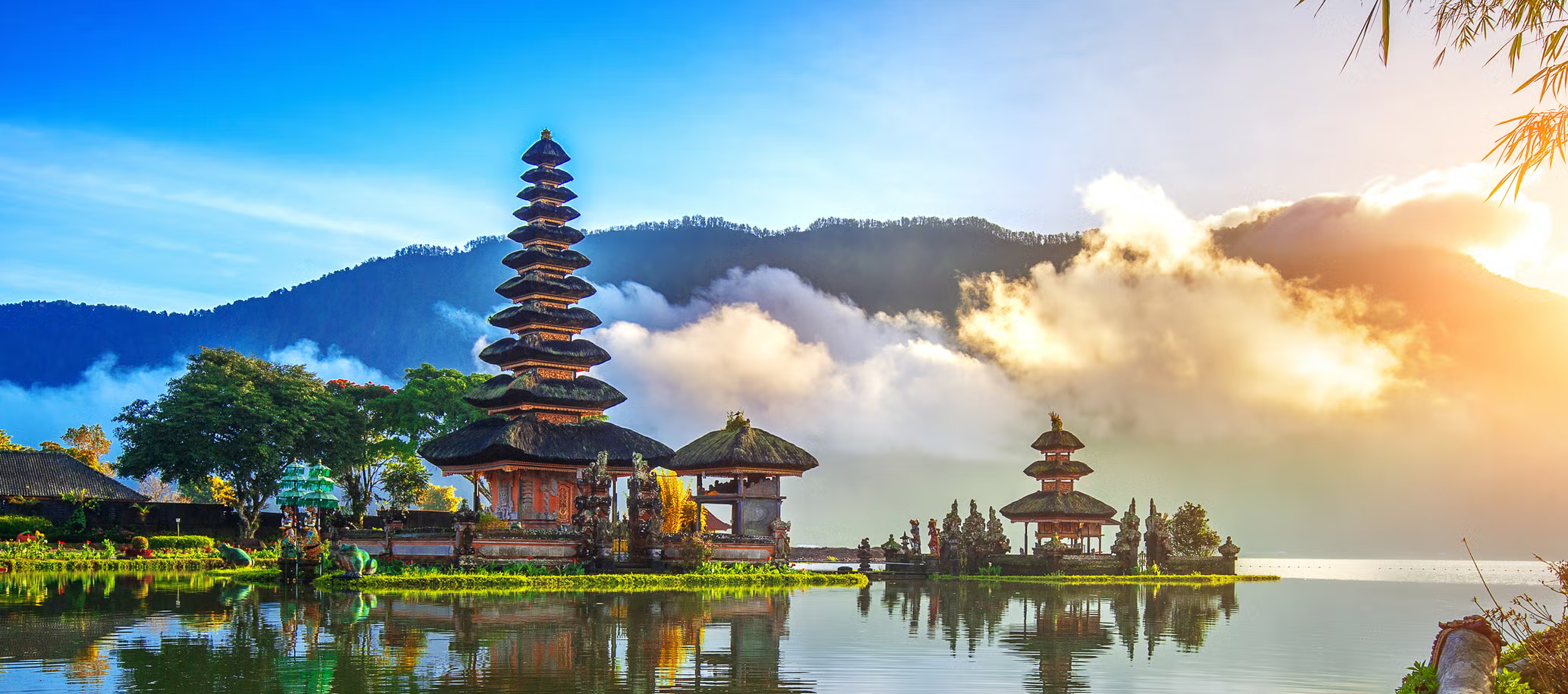
While European tourists flock to Bali during its dry months, the tropical rainy season (typically November through March) reveals a much quieter side of the island.
Rain showers in Bali are often intense but brief, clearing up to leave fresh, clean air and glistening foliage, making it ideal for unhurried temple visits and quiet café days.


Kyoto, Japan – Rain on Temple Slate
In Japan, the early summer rainy season (Tsuyu) transforms Kyoto into an ink-wash painting. Far from dampening the mood, gentle rain enhances the city’s historic wooden architecture, stone-paved alleys, and world-famous temple gardens.
The rain brings out the intense, glowing green of Kyoto’s moss gardens—such as those at Saiho-ji (the Moss Temple) or Gio-ji—which are specially cultivated to thrive in high humidity. Walking under a traditional oiled-paper or clear umbrella through Arashiyama’s bamboo groves while rain taps on the towering stalks is a quintessential Japanese travel experience.
The Scottish Highlands – Raw, Atmospheric Grandeur
In the Highlands, rain isn’t seen as bad weather; it’s simply the environment. The moody, dramatic spirit of Glencoe, the Isle of Skye, and Loch Ness relies almost entirely on brooding clouds, rain-slicked rock faces, and rising mist.
The Highland Reality: Rain feeds hundreds of temporary cascades (burns) that weave down black mountain walls like silver threads. Visiting an ancient, stone-built Highland distillery to sip a smoky single malt while a storm rattles the windowpanes is an essential Scottish ritual.
Hydrological Masterpieces: Waterfalls at Peak Volume

Perhaps the single greatest visual reward of traveling in the rainy season is witnessing the sheer force of water. Geological features that appear as quiet trickles during dry months transform into roaring natural wonders.
From Jog Falls in Karnataka to Iguazu Falls on the border of Argentina and Brazil, heavy precipitation fills upstream drainage basins to capacity. The result is a deafening, awe-inspiring display of raw kinetic energy, complete with vast spray zones that nourish rare ferns, mosses, and micro-ecosystems for miles downstream.
The Monsoonal Plate: Seasonal Comfort Gastronomy
Travel during the rainy season activates a completely different culinary instinct. As ambient temperatures drop and humidity rises, regional cuisines roll out specialized, heat-inducing comfort foods designed to be enjoyed while watching the downpour
Sitting in a rustic hillside café, listening to heavy rain drumming on a tin or wooden roof, while holding a piping-hot mug of spiced tea or eating fresh, crispy fritters is one of the most comforting experiences travel can offer.
Capturing the Storm: Monsoon Photography Techniques
For photographers, bright, clear mid-day sunshine is often the worst light—flat, harsh, and washed out. The monsoon, by contrast, gives you soft light, rich contrast, and dramatic moods.
Pro Tip for Rain Reflections: After a heavy downpour, drop your camera angle down close to puddles on stone streets or village paths. Using the water’s surface as a mirror creates stunning, symmetrical reflections of old buildings, passing colorful umbrellas, or dramatic cloud-filled skies.
Practical Field Strategy: Packing and Safety Protocol
Enjoying the monsoon comes down to good preparation. Bad gear can leave you soaked, cold, and miserable, while the right setup lets you step out into a downpour with complete confidence.
Navigating Monsoon Safety
- Monitor Flash Flood & Landslide Risks: Mountainous terrain with heavy rain can be prone to sudden landslides or mudslides. Always check local weather alerts before setting out on long drives or backcountry hikes.
- Respect the Water: Rivers, waterfalls, and ocean tides behave unpredictably during the monsoon. Never swim in swollen rivers or stand on slippery, wet rock edges near powerful waterfalls.
- Keep Your Electronics Dry: High humidity alone can trigger moisture sensors in modern smartphones and cameras. Keep your gear packed inside sealed dry-bags with a few re-usable silica gel packs to absorb ambient moisture.
The Mindful Traveler: Why We Need Rainy Journeys
Modern life often pushes us to be constantly active, efficient, and sunlit. Traveling in the rainy season invites a gentle, welcome slowdown. It forces you to give up rigid itineraries in favor of flexibility. If a sudden downpour traps you under the awning of an ancient temple, in a roadside tea stall, or on the porch of a cabin, it isn’t a lost afternoon—it is an invitation to pause, watch the water flow, and listen to the rhythm of the storm.

The monsoon reminds us that nature’s quiet, restorative moments are just as beautiful as its sun-drenched ones. By embracing the rain instead of running from it, you open the door to some of the most vivid, peaceful, and unforgettable journeys you will ever take.
FAQ’S
1. Is the rainy season a good time to travel?
Yes, the rainy season offers lush landscapes, fewer crowds, cooler weather, and beautiful natural scenery.
2. What should I pack for a rainy season trip?
Pack a waterproof jacket, umbrella, waterproof shoes, quick-dry clothing, and a rain cover for your backpack.
3. Which destinations are best to visit during the rainy season?
Popular choices include Munnar, Coorg, Bali, Kyoto, Switzerland, and the Scottish Highlands.
4. Is it safe to travel during the monsoon?
Yes, if you check weather forecasts, avoid flood-prone areas, and follow local travel advisories.
5. What are the benefits of traveling during the rainy season?
You can enjoy lush greenery, spectacular waterfalls, lower travel costs, and a more peaceful travel experience.


Leave a Reply