
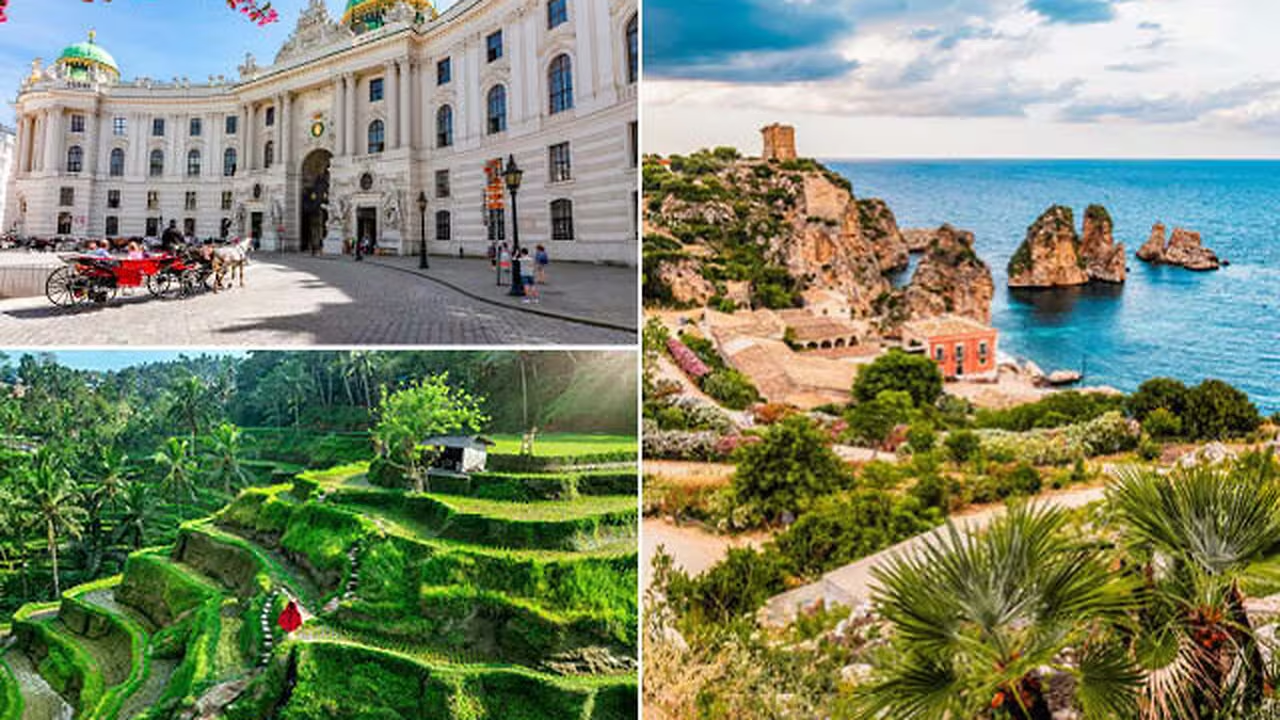
It usually happens around 11:00 PM. I’ll finally wrap up my college assignments or clear off my desk, collapse onto my bed, and open Instagram for “just five minutes” before calling it a night. Within two or three thumb flicks, my feed completely takes over. Suddenly, I’m staring at short clips of misty mountain roads, group of friends sharing plates of hot street snacks in glowing market lanes, or someone sitting quietly on a cliff edge holding a steaming clay cup of chai.
Every single time those videos pop up, my brain asks the exact same question: Where can I go next?
For the longest time, I held onto this belief that taking a proper holiday meant saving money for six months, booking fancy hotels, and sticking to a rigid, hour-by-hour itinerary. But my whole perspective flipped after planning my very first real budget trip with a few close friends. You don’t need a massive bank balance or luxury amenities to have an unforgettable break. Honestly, catching a 5:00 AM sleeper train, sharing cheap roadside snacks, taking silly candid photos, and staying up until 3:00 AM talking about everything and nothing gives you a far bigger mental reset than any resort ever could.
As we move through 2026, travel feels much more personal and down-to-earth. People are moving away from exhausting, superficial “checklist” tourism and choosing trips that actually fit their real schedules and budgets—whether that means a quick 48-hour weekend escape or a quiet retreat away from heavy crowds. Here is my honest guide on where to head, how to keep costs low, and how to make every journey count.
1. Popular Spots That Are Still Worth Every Rupee
If you want an escape that is simple to organize, well-connected by rail or road, and brimming with local culture, classic destinations remain popular for good reason. Here are four choices that never fail to deliver.
Jaipur, Rajasthan

Jaipur will always hold a special place in my heart because it was the very first city trip my friends and I planned entirely on our own—from pooling our daily pocket money to haggling over basic room rates at a small guesthouse near the station.
When you step off the train, the city hits you with an energy that feels completely unique: warm pink building walls, glistening silver jewelry displayed in open bazaar stalls, and the sharp, inviting aroma of fresh oil frying spices at street corners. On our first morning, we headed straight toward Hawa Mahal because I had seen its intricate honeycomb windows on social media a hundred times. But standing across the street in person, holding a scorching hot kulhad of ginger chai while the morning traffic buzzed past, felt ten times better than looking at a glossy phone screen.
We spent nearly four hours just walking through Johari Bazaar without any real map. When you travel with a group, even an aimless stroll turns into a memory—one friend stops to haggle for handmade bangles, another gets drawn toward leather footwear, and before you know it, half the afternoon has slipped by.
The local food was easily the highlight of our stay. We stuffed ourselves with hot, onion-filled pyaaz kachoris and crisp samosas right from small roadside frying stalls. It made me realize that you don’t need to spend thousands at air-conditioned restaurants to taste the true soul of a city. Put on your most comfortable walking shoes, grab a hot local snack, and let the old stone streets do the talking.
Manali, Himachal Pradesh

When life in the city gets too noisy, heading north toward the high hills acts as an immediate reset button. While the main Mall Road in Manali can get crowded during peak summer months, crossing over the bridge toward Old Manali opens up a completely different world—rustic wooden cafés, the crisp scent of pine needles in the air, and the steady, thunderous roar of the Beas River rushing over smooth grey boulders.
Local Tip: Never rely blindly on weather apps when planning a trip into mountain districts. Before booking long-distance bus tickets or paying stay deposits, always call your local homestay host directly to ask about real-time road conditions, seasonal weather shifts, or recent landslide warnings.
Goa (The Unhurried Southern Side)

Goa gets labeled almost exclusively as a loud party destination, but what you get out of it depends entirely on where you decide to drop your bags. While northern beach stretches like Baga or Calangute stay bustling day and night, heading south toward Palolem or Agonda transforms your stay into a slow, peaceful coastal retreat. Renting a basic gearless scooter for ₹300 a day and cruising along winding roads flanked by vibrant green paddy fields to find a quiet beach hut is easily one of the best ways to spend a long weekend.
Kerala

If rich green landscapes and quiet waters appeal to you more than high mountain peaks or crowded beach strips, Kerala is practically unmatched. Places like Munnar give you sprawling tea estates blanketed in thick morning fog, while Alleppey offers a front-row seat to slow-paced backwater living. It’s the ultimate destination when your mind just needs you to turn off your phone notifications for three days and catch your breath.
2. Offbeat Hidden Gems to Escape the Tourist Crowds
Trying to capture a nice photograph in front of a famous monument quickly loses its magic when you’re elbow-to-elbow with a hundred other tourists trying to get the exact same frame. If you prefer quiet walking trails and authentic local encounters, add these spots to your travel radar:
| Destination | Best For | Why It’s Worth Visiting |
| Tirthan Valley (Himachal Pradesh) | Nature & Silence | Crystal-clear river streams, traditional wooden chalets, and quiet hiking trails bordering the Great Himalayan National Park. |
| Orchha (Madhya Pradesh) | History & Architecture | Grand riverfront palaces, carved cenotaphs, and ancient stone temples with a fraction of the crowds seen in Agra or Jaipur. |
| Gokarna (Karnataka) | Beach Treks | A relaxed, low-key coastal alternative to Goa, connected by scenic cliffside walking trails that lead to hidden sandy bays. |
| Ziro Valley (Arunachal Pradesh) | Culture & Views | Pine-covered ridge lines, emerald rice fields, and the rich, unique cultural heritage of the local Apatani community. |
The Practical Reality of Offbeat Travel

Choosing to visit lesser-known locations like Tirthan Valley or Orchha requires a slight shift in expectations. You won’t find luxury room service, late-night food delivery, or instant cab apps at every corner. Instead, you get fresh home-cooked meals prepared by local families, genuine conversations around evening bonfires, and quiet nights where you can actually hear the river running or the wind rustling through the trees. Just make sure to double-check local transport schedules well in advance so you don’t end up stranded without a ride.
3. How to Choose a Trip That Fits Your Actual Schedule
It’s easy to get carried away by a 15-second aesthetic video online, but a destination might look dreamy on a glass screen while being completely impractical for your actual bank balance or daily routine. Ask yourself these practical questions before hitting any “book now” button:
- How much transit time do you really have? If you only have a standard two-day weekend off, spending 14 hours on a sleeper bus each way will leave you completely drained by Monday morning. Keep your single-way travel time under 5 or 6 hours.
- What is your true budget limit? Calculate your total transport, room stay, daily meals, and a small emergency stash. If flight or express train tickets swallow up 70% of your total budget, switch to a regional overnight bus or standard rail option instead.
- What does your mind actually need right now? Are you looking to run around sightseeing from sunrise to sunset, or do you just want to sit by a window with a book and a hot drink? Don’t force a packed, hectic schedule if what your body really needs is rest.
- Is the seasonal timing right? Desert cities like Jaipur or Udaipur become brutally hot and uncomfortable by May, while mountain roads face heavy monsoon disruptions in July and August. Always check local seasonal realities before confirming dates.
4. Smart Budget Hacks That Save Real Money

Overspending during a getaway rarely happens on one single massive purchase—it usually happens through small, unnoticed daily slip-ups that add up surprisingly fast. Here are a few practical habits that keep trips affordable:
- Travel Mid-Week Whenever Possible: If your college schedule or work flexibility allows it, shifting your departure from a Friday night to a Tuesday or Wednesday can significantly drop both transit fares and room charges.
- Prioritize Central Location Over Room Luxury: You don’t need an expensive hotel room with a huge TV if you plan on spending most of your daylight hours outdoors exploring. Choose a clean, highly rated hostel or family-run homestay near the town center—saving on daily auto-rickshaw fares adds up very quickly.
- Eat Where the Local Residents Eat: Skip overpriced, tourist-targeted restaurants located directly opposite major monument gates. Walk two lanes back into the residential neighborhood, find a clean eatery packed with local families, and order their daily house specialty. It’s almost always fresher, cheaper, and far more delicious.
- Keep an Untouched Buffer Stash: Set aside ₹2,000 to ₹3,000 in cash or in a secondary UPI account that stays completely untouched during regular daily spending. Having an emergency backup pool keeps your stress low if a bus gets delayed, a tire goes flat, or an unexpected ticket fee pops up.
5. A Simple Essentials Packing Checklist

Packing light makes moving around infinitely easier—nobody wants to drag a massive, heavy suitcase across cobblestone alleys, muddy footpaths, or up narrow guesthouse staircases.
- Footwear: One pair of sturdy, broken-in sneakers or walking shoes (never wear brand-new shoes on a trip where you’ll be walking a lot!) and one comfortable pair of light slip-on sandals.
- Electronics: Your phone, charger, and a reliable 10,000mAh power bank (cold mountain weather drains phone batteries significantly faster than warm city air).
- Paper Documentation: Hard physical copies of your government ID, train/bus tickets, and stay confirmations tucked into a side pocket in case your phone battery dies or internet connectivity drops out completely.
- Basic Medical Kit: A small pouch with band-aids, basic painkillers, motion-sickness tablets, ORS hydration packets, and any personal daily medications you need.
- Eco Essentials: A sturdy reusable water bottle and a small cloth tote bag for carrying daily market buys or snacks without buying single-use plastic bags.
FAQs
1. What are the best places to visit in 2026?
Some popular places to consider are Jaipur, Manali, Goa, Kerala, and Udaipur. The best choice depends on your budget, travel time, and interests.
2. Which are the best travel destinations in India for a budget trip?
Jaipur, Rishikesh, Pushkar, and Udaipur can be good options for budget-conscious travellers. Compare transport, accommodation, and food costs before booking.
3. What are some hidden gems to explore in India in 2026?
Tirthan Valley, Orchha, Gokarna, and Ziro Valley are worth exploring if you want something different from crowded tourist destinations.
4. How can I plan an affordable holiday in 2026?
Book transport early when possible, compare hotel prices, travel during less busy periods, and set a daily budget for food, shopping, and activities.
5. What should I consider before choosing a travel destination?
Consider your budget, weather, travel distance, available days, accommodation, and the activities you want to enjoy.



Leave a Reply