
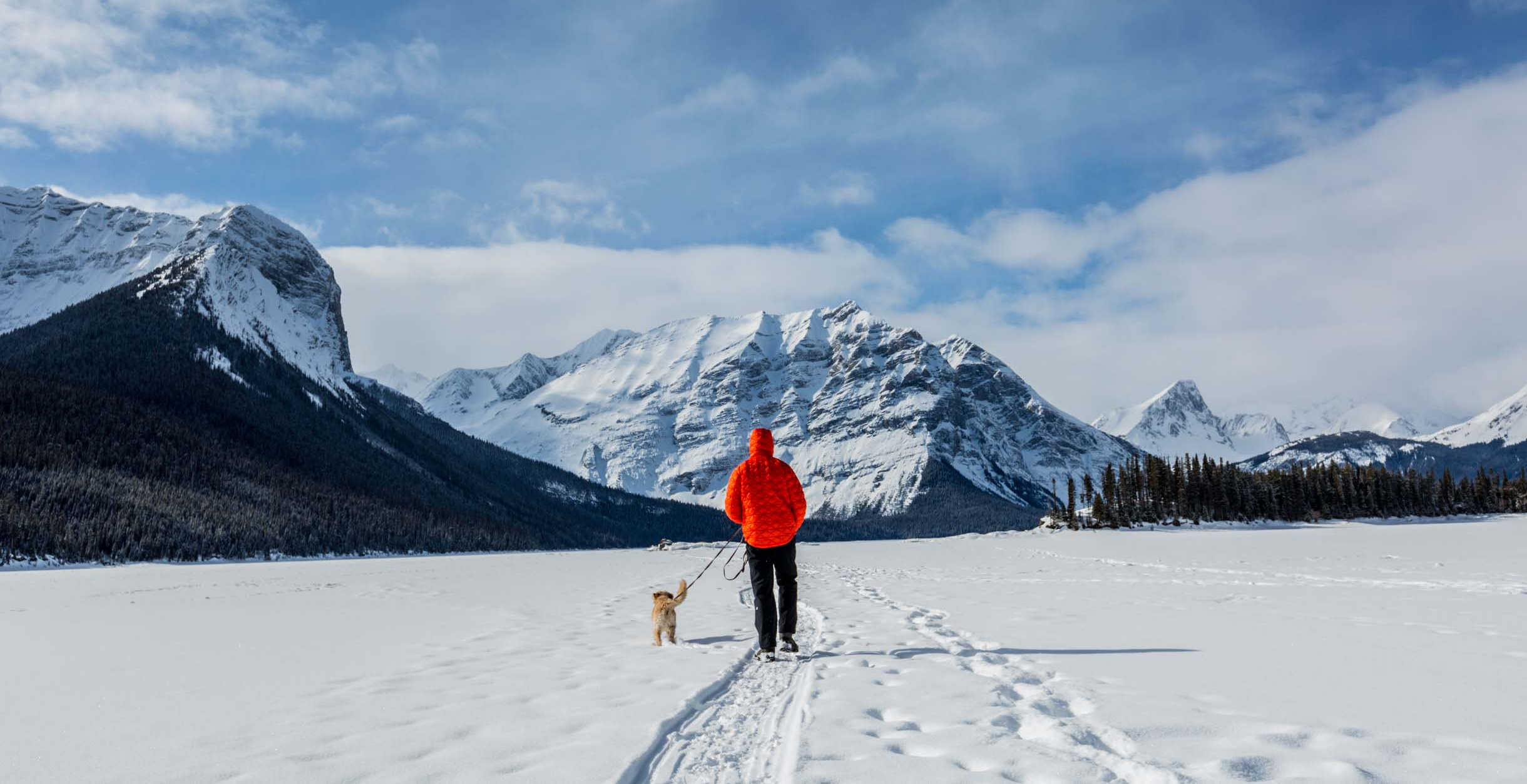
I still remember the exact moment I experienced my very first real winter snowfall. I was standing on a small, rickety wooden balcony in the Himalayas, holding a steaming mug of black tea. The world around me was utterly silent—that deep, muffled silence that only happens when heavy snow starts blanket-covering a valley. Out of nowhere, tiny white flakes began falling through the pine branches, landing soft and weightless on my coat. My fingers were numb, my nose was bright red, but I couldn’t bring myself to step back inside. That single morning hooked me for life.
Over the past few years, my personal obsession with chasing winter Snowfall has taken me from frozen mountain passes in Himachal and Kashmir to sleepy alpine villages high in the North East. I’ve nursed frozen toes in basic homestays, slipped down icy stone steps in heavy boots, and survived endless road delays on winding mountain passes—all just to watch green valleys turn into vast, endless white landscapes.
If you are someone who dreams of stepping into a real-life snow globe, wrapped in a heavy wool coat while watching fluffy snowflakes fall around you, this is my personal, battle-tested guide to the absolute best winter spots. Here are the places across India that made my jaw drop and left me with memories I’ll rewatch in my head forever.
1. Gulmarg, Jammu & Kashmir

If there is one place in India that feels like an absolute fairy tale the second winter Snowfall hits, it is Gulmarg. Tucked away in the Pir Panjal range, this small meadow town transforms into a blinding white paradise between December and March.
I remember arriving in Gulmarg right after a fresh three-day blizzard had passed through the valley. The wooden cottages looked like they were wearing thick white hats, and every single pine tree was weighted down with heavy powder. My absolute favorite memory here was riding the famous Gulmarg Gondola—the second-highest cable car in the whole world. As the glass cabin glided up toward Phase 2 on Mt. Apharwat (at over 13,000 feet), the entire valley opened up below us. Up at Phase 2, the wind was howling, the snow was knee-deep, and I could barely catch my breath from both the altitude and the sheer scale of the landscape.
- My Personal Travel Tip: If you want to ride Phase 2 of the Gondola, book your tickets online weeks in advance! They sell out fast, and standing in line at the counter in sub-zero morning temperatures is pure misery.
- Best Time for Heavy Snow: Snowfall Early January to late February.
2. Auli, Uttarakhand


Before I visited Auli, I thought skiing was something you could only properly enjoy in the Alps. Auli proved me completely wrong. Perched high in the Garhwal Himalayas, Auli is famous for its wide, sloping meadows (bugyals) that get covered in thick, smooth blankets of snow every winter, surrounded by iconic peaks like Nanda Devi and Kamet.
My trip to Auli started with a thrilling cable car ride from Joshi Math. Looking down at the dense oak forests wrapped in white was unbelievable. I spent three days taking beginner skiing lessons on the main slope. I lost count of how many times I lost my balance and wiped out into soft snowbanks, but laughing with my instructor while brushing fresh powder off my jacket was the highlight of the week. Sitting near the artificial lake at sunset, watching the snow on Nanda Devi turn a brilliant shade of golden-pink, made every bruise worth it.
- My Personal Tip: The road from Joshimath to Auli often gets blocked by heavy snow during January. Take the ropeway from Joshimath instead—it saves you from getting stuck in long traffic jams on icy roads.
- Best Time for Heavy Snow: January to March.
3. Manali and Solang Valley, Himachal Pradesh

Manali is probably the first name that pops into anyone’s head when thinking of a winter Snowfall trip, and honestly, it earns that reputation every single year. While Old Manali has a quiet, bohemian charm with its wooden houses and cozy cafes, Solang Valley is where the real snow madness happens.
I’ll never forget driving up toward the Atal Tunnel on a freezing January morning. The trees along the Beas River were frosted white, and fresh flakes were hitting the windshield. In Solang Valley, the snow was buzzing with energy—people were trying tubbing, snowmobiling, and zorb-riding down snowy slopes. I opted to hike away from the main crowd toward the quieter trails near Palchan. Walking through silent pine forests with fresh powder crunching under my boots gave me the peaceful winter fix I was craving. Afterward, I went straight to Old Manali, sat near a wood-burning stove (bukhari) in a small cafe, and devoured hot trout with garlic butter.
- My Personal Tip: To avoid the chaotic traffic jams near Solang, wake up at the break of dawn and leave your hotel by 6:30 AM. You’ll have the snowy roads almost entirely to yourself.
- Best Time for Heavy Snow: Mid-December to early February.
4. Sela Pass and Tawang, Arunachal Pradesh
If you are looking for an offbeat, raw, and deeply adventurous Snowfall experience far away from tourist crowds, the North East will steal your heart just like it stole mine. Located at an elevation of over 13,700 feet on the way to Tawang in Arunachal Pradesh, Sela Pass is one of the most dramatic high-altitude mountain passes I have ever crossed.
Crossing Sela Pass in late December Snowfall was an absolute adrenaline rush. The temperature gauge in our car dropped to -8°C. On either side of the narrow mountain road stood massive walls of blue ice and frozen snow. In the middle of the pass sits Sela Lake, which was completely frozen solid when I saw it, reflecting the harsh winter sun like a giant sheet of frosted glass. The journey down into Tawang—with its ancient, colorful Buddhist monasteries standing out against snow-draped hills—feels like stepping onto the pages of an ancient history book.
- My Personal Tip: You need an Inner Line Permit (ILP) to enter Arunachal Pradesh, and winter road closures near Sela Pass are common due to heavy ice. Always keep 2–3 extra buffer days in your itinerary.
- Best Time for Heavy Snow: December to February.
5. Pahalgam and Betaab Valley, Jammu & Kashmir


While Gulmarg is all about high peaks and ski slopes, Pahalgam is about quiet, sweeping winter landscapes along winding frozen rivers. Sitting at the confluence of the streams coming from the Lidder River and Sheshnag Lake, Pahalgam in winter looks like a quiet canvas painted in white, gray, and dark green.
My favorite memory of Pahalgam was taking a Snowfall walk through Betaab Valley right after a heavy overnight snowfall. The snow was so soft and untrodden that every step left deep boot tracks. The Lidder River was flowing slowly between snow-covered boulders, releasing wisps of steam into the freezing morning air. I spent hours leaning against a wooden fence, sipping a hot cup of saffron-infused Kahwa topped with crushed almonds, just watching local ponies trot quietly across the white meadow. It felt completely serene and untouched by the world outside.
- My Personal Tip: Hire local four-wheel-drive vehicles equipped with snow chains on their tires if you are planning to visit Betaab Valley or Aru Valley from the main Pahalgam market during heavy snow days.
- Best Time for Heavy Snow: January and February.
6. Yumthang Valley and Lachung, North Sikkim

North Sikkim in winter is not for the faint-hearted, but for true snow enthusiasts, it is the ultimate reward. Located at an altitude of over 11,000 feet, Yumthang Valley—often called the “Valley of Flowers” in summer—transforms into a vast, frozen arctic wilderness during the peak winter months.
The journey up to Lachung from Gangtok was long, bumpy, and cold, but the moment we reached the village, all the fatigue evaporated. The wooden houses were draped in thick snow, and smoke was curling up from chimney pipes. The next morning, we drove up to Yumthang Valley and pushed further up toward Zero Point (Yumesamdong). At over 15,000 feet, Zero Point felt like the absolute edge of the earth. The air was thin, the snow was deep enough to sink up to your knees, and the surrounding snow-capped peaks felt close enough to reach out and touch.
- My Personal Tip: North Sikkim requires special permits, and roads get blocked very easily during heavy blizzards. Travel with an experienced local driver and pack heavy thermal layers, as homestays here have basic heating facilities.
- Best Time for Heavy Snow: Late December to March.
7. Spiti Valley Snowfall, Himachal Pradesh
Most people visit Spiti Valley during the summer when the roads are clear, but experiencing a “White Spiti” in the middle of winter is a hardcore adventure that few attempt. During winter, temperatures in Spiti drop down to a bone-chilling -20°C to -30°C, turning the entire high-altitude desert into a silent, frozen landscape.
When I visited Spiti in February, the Spiti River was completely frozen over, looking like a winding turquoise snake trapped under ice. The famous Key Monastery, perched dramatically on a conical hill at 13,600 feet, looked stunning surrounded by stark white mountain faces. Living in a traditional homestay near Kaza, sleeping under three thick quilts, sitting around a roaring central stove (tandoor) with a local family, and sipping butter tea while outside temperatures plummeted far below zero was one of the most humbling travel experiences of my life.
- My Personal Tip: Winter in Spiti means no running water (pipes freeze solid), dry eco-toilets, and limited electricity. Only go if you are physically fit and ready to embrace extreme, basic living conditions!
- Best Time for Heavy Snow: January to March.
8. Sonamarg, Jammu & Kashmir Snowfall

Sonamarg, which literally translates to “Meadow of Gold,” turns into a brilliant “Meadow of Snow” during the winter months. Located on the banks of the Sindh River with the Thajiwas Glacier hanging in the background, Sonamarg receives some of the heaviest snowfall in the entire Kashmir valley.
In previous years, Sonamarg used to remain completely cut off during winter due to heavy snow on the highway, but with better road connectivity now, reaching this winter wonderland has become much easier. Walking across the vast, open snowfields near the base of the Thajiwas Glacier felt like stepping into an empty arctic landscape. The sheer contrast between the dark pine trunks and the blinding white snowdrifts makes it a paradise for anyone who loves taking photographs.
- My Personal Tip: Rent good quality waterproof snow boots and heavy jackets from the local stalls in Z-Morh before heading into the main snow zone. Regular sneakers will get soaked in minutes.
- Best Time for Heavy Snow: December to February.
9. Narkanda Snowfall, Himachal Pradesh
If you want the charm of Shimla’s snowy peaks without the chaotic mall-road crowds, noise, and traffic jams, Narkanda is your perfect escape. Located about two hours past Shimla on the Hindustan-Tibet road, this quiet little town sits surrounded by dense apple orchards and thick fir forests.
I drove up to Narkanda on a rainy afternoon that suddenly turned into a heavy snowfall halfway through the drive. Watching the green pine needles slowly get covered in fresh white powder through my car window was pure magic. The highlight of Narkanda is trekking up to Hatu Peak (at nearly 11,000 feet). The snow-covered trail winds through dark, silent oak forests, leading up to the beautiful wooden Hatu Mata temple at the summit. Looking out from the peak at the endless chain of snow-draped Himalayan ranges was a quiet, deeply spiritual moment for me.
- My Personal Tip: Visit the local Himachal Tourism ski slope in Narkanda for cheap, beginner-friendly skiing lessons that are far less crowded than Solang Valley.
- Best Time for Heavy Snow: January to February.
10. Ladakh (Chadar Trek & Leh)


Ladakh in winter is a world of its own. While Leh town gets quiet as most tourist shops close down, the region transforms into a stark, high-altitude winter wonderland. The highlight for extreme snow lovers here is the legendary Chadar Trek—walking directly on the frozen Zanskar River.
Stepping onto the frozen river for the first time was nerve-wracking. Underneath your boots, you can actually see the turquoise river water rushing beneath a sheet of thick glass-like ice. Walking through narrow granite canyons where massive ice waterfalls hang frozen off the cliff faces felt like stepping onto another planet altogether. Even if you don’t do the full trek, simply visiting a quiet, snow-draped Leh town and seeing the iconic Pangong Lake half-frozen under a bright blue winter sky is something that stays in your heart forever.
- My Personal Snowfall Tip: Altitude sickness (AMS) is extremely dangerous in cold weather. Spend at least 3 full days resting and acclimatizing in your hotel in Leh before attempting any physical activity or trekking.
- Best Time for Heavy Snow & Frozen Ice: Mid-January to February.
My Essential Survival Advice for Snowfall Trips

Over my years of chasing snowstorms across the country, I have learned the hard way that winter travel requires serious preparation. Getting caught unprepared in sub-zero temperatures can turn a dream vacation into a dangerous situation very fast. Here are my top practical rules for surviving and enjoying a snow trip:
- Master the Three-Layer Clothing Rule: Never rely on one heavy jacket. Instead, wear three distinct layers:
- Base Layer: High-quality thermal tops and bottoms (synthetic or merino wool) to trap body heat and wick away sweat.
- Middle Layer: Fleece jacket or lightweight down sweater for insulation.
- Outer Layer: Windproof and waterproof winter jacket with a hood to block wind and heavy snow.
- Invest in Real Waterproof Footwear: Regular canvas shoes, sneakers, or flat boots are a disaster in snow. They will get soaked within five minutes, leading to freezing feet and potential frostbite. Invest in high-ankle, waterproof hiking boots with deep rubber grips, and pair them with thick woolen socks.
- Keep Your Electronics Warm: Cold temperatures drain phone and camera batteries at an alarming speed. Keep your phone, power banks, and spare camera batteries inside your inner jacket pockets close to your body heat until the exact moment you need to use them.
- Protect Your Eyes and Skin: Snow reflects up to 80% of ultraviolet radiation, making sun exposure much more intense. Always wear UV-protected sunglasses to prevent snow blindness, and slather on heavy moisturizer, lip balm, and sunscreen even on cloudy winter days.
- Always Keep Extra Buffer Days: Snowstorms, ice slides, and road blockages are completely unpredictable in the mountains. Never plan a tight schedule where you have a flight to catch the morning after leaving a snow destination. Always keep 1 or 2 extra days in hand for unexpected road delays.
There is a pure, child-like joy that comes with watching snow fall from the sky, crunching through fresh powder, and sitting near a warm fire after a long day in the cold. Every single one of these destinations gave me a deep appreciation for the quiet, dramatic beauty of winter. Pack your warmest layers, double-check your road conditions, and go experience the magic of fresh snowfall for yourself!
FAQ’s
Q1. When is the best time to see heavy snowfall in Indian mountain destinations?
The peak snowfall season runs from late December through February across Kashmir, Himachal Pradesh, Uttarakhand, and North Sikkim.
Q2. What is the most important rule for dressing in sub-zero winter weather?
Follow the three-layer rule: a moisture-wicking thermal base layer, an insulating fleece or down mid-layer, and a windproof, waterproof outer jacket, paired with waterproof high-ankle boots.
Q3. How can I keep my phone and camera from dying quickly in the cold?
Sub-zero temperatures drain batteries rapidly; keep spare batteries, power banks, and your phone in an inner jacket pocket close to your body heat until you are actively using them.
Q4. Do I need special road transport or permits for high-altitude snow trips?
Yes, regions like North Sikkim and Arunachal Pradesh (Tawang) require government permits, while snowy mountain passes require 4-wheel-drive vehicles equipped with snow tire chains.
Q5. What safety precautions should I take for high-altitude snow destinations like Leh or Spiti?
Plan at least 2 to 3 days of strict rest to acclimatize to high altitudes before engaging in physical activities, stay hydrated, and keep extra buffer days in your itinerary for unpredictable road closures.

Leave a Reply