

India has long been a country where culture isn’t just displayed in museums or written down in history books—it is lived, breathed, and passed down from one generation to the next. From the vibrant colors thrown during spring festivals to quiet, ancient rituals performed at dawn beside flowing rivers, India’s traditions carry a unique warmth and depth that have captivated travelers and seekers across the globe for centuries.
As the world grows more connected, these rich cultural practices have crossed borders, oceans, and continents. Today, people from all walks of life—whether in London, New York, Sydney, or Tokyo—are embracing Indian traditions to bring a bit more mindfulness, joy, and community into their daily lives.
Here is an in-depth journey through some of India’s most fascinating cultural traditions that have inspired people worldwide, exploring the deep stories, warmth, and timeless wisdom behind each one.
When I was a kid, I thought every family put a marigold garland on the door, touched elders’ feet before an exam, and ate festival food with their hands. It was only much later that I found out these things are not “normal” everywhere, and that other cultures have equally lovely habits that seemed strange to me at first. That discovery changed how I travel, eat and even listen to people. This guide walks through some traditions from India and a few from other parts of the world, and what each one can teach us.
Why Traditions Still Matter

We live in a time when everything is fast. Food arrives in twenty minutes, messages in two seconds, and festivals sometimes feel like a reel we scroll past. culture Traditions slow us down. They give a family a reason to sit together, an excuse to cook the same dish a grandmother made, and a sense of belonging that no app can offer. They also tell you a lot about how a community sees nature, food, death, friendship and joy. If you want to understand a place quickly, ask about its festivals.
- They connect generations through shared rituals
- They carry local history in food, clothes and songs
- They help strangers understand each other
Traditions That Make India Special
India has so many customs that you could spend a lifetime exploring and still miss half of them. Every state, sometimes every district, has its own way of celebrating. Here are a few that I find the most interesting.


Pongal and Onam: Thanking the Harvest
In January, families in Tamil Nadu celebrate Pongal by cooking fresh rice and milk in a new pot in the open air. When the milk boils over the edge, everyone shouts with joy, because an overflowing pot is a sign of plenty for the year ahead. culture Onam in Kerala has a similar spirit of gratitude, with huge flower carpets called pookalam outside homes and a feast served on banana leaves. Both festivals remind you that food begins with soil, rain and the people who work the fields.
Holi and Diwali: Colour and Light
Holi is loud, messy and wonderful. culture People throw coloured powder, share sweets and forget old arguments for a day. Diwali is quieter and more glowing, with diyas, rangoli and the whole family gathered together. One festival asks you to let go and the other asks you to light up, and somehow both feel like the same kind of happiness.
Namaste and the Way We Greet
Something as small as folding your hands has a gentle meaning, a bow to the person in front of you. You don’t need to touch anyone, culture say much, or even know the language. Many travellers say this is the first Indian habit they bring back home, and honestly it works in every country.
Here are some Indian traditions you may want to explore, with the season they usually fall in:
| Tradition | Region | What It Celebrates |
|---|---|---|
| Pongal | Tamil Nadu | Harvest and gratitude to the sun |
| Onam | Kerala | Homecoming of King Mahabali, with a big feast |
| Durga Puja | West Bengal | Victory of good, with art-filled pandals |
| Kumbh Mela | Four rotating cities | Faith, holy dips and one of the world’s largest gatherings |
| Holi | Across North India | Spring, colour and forgiveness |
Traditions From Around the World
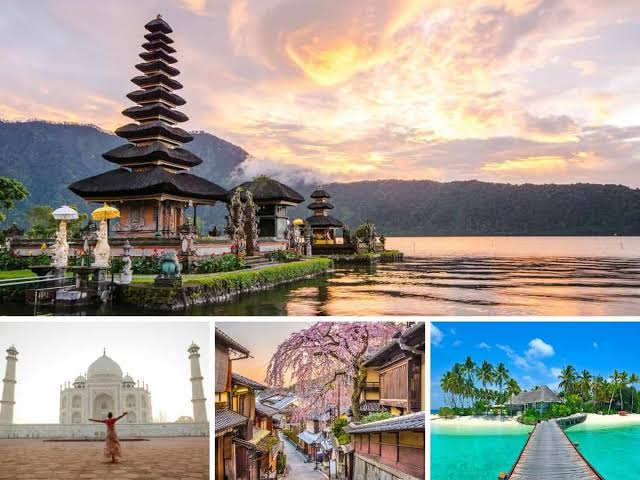
Once you start looking beyond India, you notice something surprising. Cultures far apart often reach similar ideas in completely different ways. A festival of light in one country, a harvest feast in another, and a way of remembering the dead in a third.
Japan: Tea, Cherry Blossoms and Calm

The Japanese tea ceremony is less about the tea and more about paying full attention. Every step, from folding the cloth to turning the cup, is done slowly and with care. Another lovely custom is hanami, where friends and families sit under blooming cherry trees with food and simply enjoy the short life of the flowers.
Mexico: A Party for the Departed
On the first two days of November, Mexican families celebrate Day of the Dead. They build colourful altars with photos, favourite foods and marigolds, believing the flowers’ bright colour and smell guide the spirits home. Marigolds appear in Indian pooja rooms too, so it felt oddly familiar when I first read about it. Instead of treating death as something to fear, this tradition treats it as a reunion.
Thailand, Iran and Scotland
In April, Thailand welcomes its new year with Songkran, where people pour water on each other as a blessing and a way to cool off in the heat. Iran and many nearby regions celebrate Nowruz at the spring equinox, setting a special table with seven items that begin with the letter “s”culture in Persian, each one standing for something good like health or patience. In Scotland, Hogmanay brings people out on the last night of the year to sing, share food and visit neighbours. Different weather, different language, same wish for a fresh start.

A quick comparison of a few global traditions:
| Tradition | Country | Core Idea |
|---|---|---|
| Tea ceremony | Japan | Mindfulness and respect for the guest |
| Day of the Dead | Mexico | Remembering loved ones with joy |
| Songkran | Thailand | Washing away the old, welcoming the new |
| Nowruz | Iran and region | Renewal at the start of spring |
| Hogmanay | Scotland | Welcoming the new year together |
What These Traditions Have in Common
If you put all these customs side by side, a pattern shows up. Almost every tradition is built around food, family and a pause from ordinary routine. Whether it is a steaming pot of Pongal or a plate of pan de muerto, someone is cooking with love and someone else is waiting to taste it. Many also link to seasons, like harvest, spring or the turn of the year culture , because people everywhere have always watched the sky and the soil. And nearly all of them ask you to be present for a few hours. That, more than any costume or ritual, is what keeps them alive for hundreds of years.
How to Explore Traditions Without Being a Tourist
Reading about a festival is one thing, but being there is different. If you ever get the chance to join a celebration, a little thoughtfulness goes a long way.
Be Curious, Not Pushy

Ask questions, but keep them simple and kind. Most people love explaining why they do something, especially when you listen properly. culture Avoid treating a sacred ritual like a photo shoot, and if you’re unsure whether you can take pictures, just ask. Dress modestly where needed and follow the local rules about shoes, food and seating.After watching one, I started noticing small things around me much more.
Eat What Is Offered
Food is usually the warmest way in. culture If a family offers you a sweet or a cup of tea, accept it with a smile. You’ll learn more from one shared meal than from a day of sightseeing. Try learning a couple of words in the local language too, even just “thank you”. It shows respect and people remember it.
Some easy ways to start exploring close to home:
- Visit a local festival or cultural fair in your city
- Cook one traditional dish from another culture with friends
- Ask elders in your family about customs you’ve never understood
FAQs
1. What are some famous Indian cultural traditions?
India is famous for its colorful festivals, traditional dances, regional clothing, and family customs.
2. Why are cultural traditions important?
Cultural traditions preserve history, connect generations, and keep cultural heritage alive.
3. How do Indian traditions differ from other cultures?
Indian traditions reflect diverse languages, religions, regional customs, and celebrations.
4. How can we explore traditions from around the world?
We can explore global traditions through travel, cultural festivals, traditional food, and local communities.
5. How can we preserve cultural traditions?
We can preserve traditions by celebrating festivals, supporting local crafts, and sharing cultural stories.

Leave a Reply