
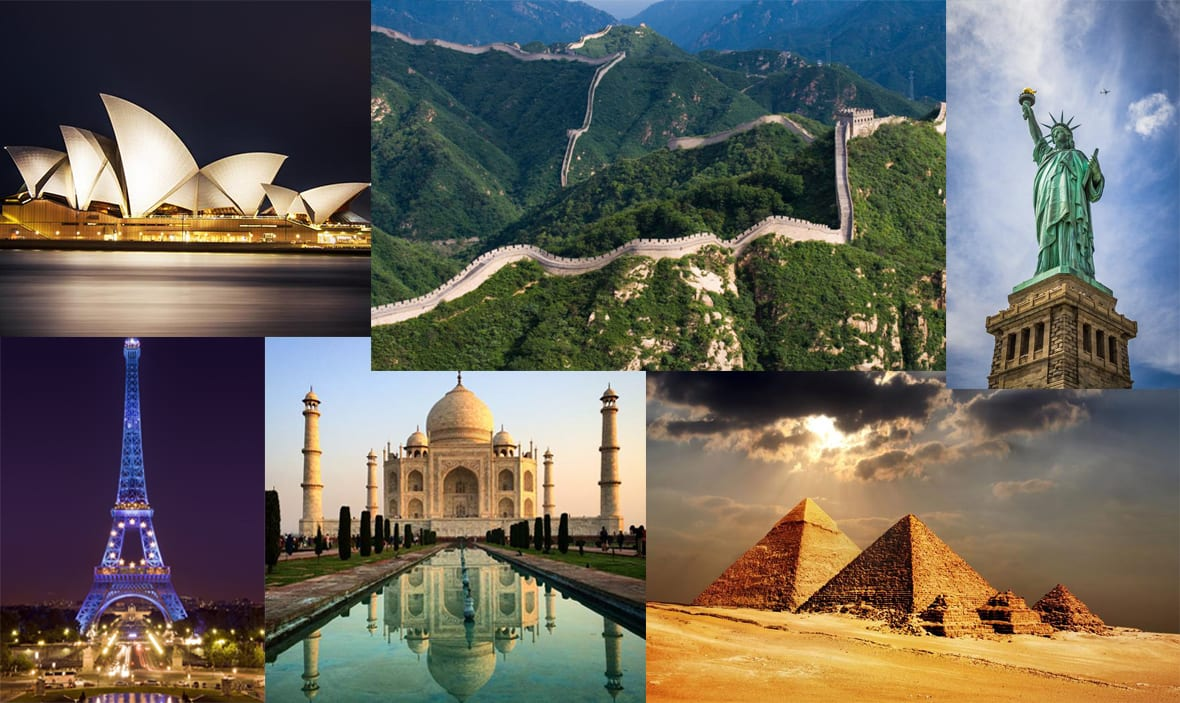
Traveling through history is one of the most fascinating ways to understand the world. Historical Places Ancient temples, magnificent palaces, medieval castles, historic cities, and archaeological ruins reveal how people lived, what they believed, and how civilizations developed over thousands of years. These places are more than popular tourist attractions; they preserve stories of human creativity, cultural traditions, architectural achievements, and important historical events.
From the timeless pyramids of Egypt to the magnificent Taj Mahal in India and the ancient ruins of Machu Picchu in Peru, the world is filled with remarkable destinations that offer unforgettable experiences for travelers. Some sites are famous for their impressive architecture, while others attract visitors through their religious significance, archaeological discoveries, or connection to major events in history.
Whether you enjoy exploring ancient civilizations, admiring historic buildings, discovering local traditions, or photographing extraordinary landmarks, visiting historical destinations can make your travels more meaningful.
In this guide, we explore some of the best historical places to visit around the world, what makes each destination special, and how to plan a memorable heritage vacation.
1. The Great Pyramid of Giza, Egypt

The Great Pyramid of Giza is one of the most recognizable historical landmarks in the world. Historical Places Built during the reign of Pharaoh Khufu around the 26th century BCE, it is the largest of the three main pyramids at Giza and the only surviving structure of the traditional Seven Wonders of the Ancient World.
Located near Cairo, the pyramid complex provides a fascinating introduction to ancient Egyptian civilization. Its enormous stone structures demonstrate the engineering skills, organizational abilities, and religious beliefs of the people who built them.
Visitors can explore the Giza Plateau, admire the nearby Great Sphinx, and learn about ancient Egyptian burial practices and royal traditions. The surrounding desert landscape also offers impressive views of the pyramids, particularly in the early morning and late afternoon.
Best for: Ancient history enthusiasts, archaeology lovers, photographers, and cultural travelers.
Travel tip: Visit early in the day to avoid the strongest heat and larger crowds. Check current entry rules and access arrangements before planning an interior visit.
2. The Taj Mahal, India
The Taj Mahal in Agra, Uttar Pradesh, is one of the world’s most celebrated monuments and a masterpiece of Mughal architecture. Emperor Shah Jahan commissioned it in memory of his wife, Mumtaz Mahal, and construction took place primarily during the 17th century.
Built largely from white marble and decorated with intricate inlay work, calligraphy, and symmetrical gardens, the monument is admired for its architectural balance and craftsmanship. Its appearance changes with the light, giving visitors a different experience at sunrise, during the day, and around sunset.
The Taj Mahal is part of a UNESCO World Heritage Site and remains an important symbol of India’s cultural heritage. Travelers can also explore Agra Fort and nearby Mughal-era landmarks to understand more about the region’s imperial history.
Best for: Architecture lovers, couples, cultural travelers, and photography enthusiasts.
Travel tip: Consider an early morning visit for softer light and potentially smaller crowds. Check the monument’s official visitor guidelines for opening days, ticketing, and restrictions.
3. The Colosseum, Italy

The Colosseum in Rome is one of the most famous surviving monuments of the Roman Empire. Opened in the first century CE, this enormous amphitheater hosted gladiatorial contests, public spectacles, and other forms of entertainment for Roman audiences.
Its tiered seating, arched entrances, and complex underground areas reveal the impressive engineering techniques used by Roman builders. Although centuries of earthquakes, stone removal, and other changes have affected the structure, the Colosseum remains a powerful reminder of ancient Rome.
A visit is even more rewarding when combined with the Roman Forum and Palatine Hill. These nearby archaeological areas help explain how the city functioned as a political, commercial, and cultural center.
Best for: Roman history enthusiasts, architecture fans, and first-time visitors to Italy.
Travel tip: Reserve tickets in advance during busy travel periods, and wear comfortable walking shoes because the archaeological areas involve uneven surfaces and considerable walking.
4. Machu Picchu, Peru
Machu Picchu is an extraordinary Inca archaeological site situated high in the Andes Mountains of Peru. Generally dated to the 15th century, the site is known for its stone buildings, agricultural terraces, ceremonial spaces, and dramatic mountain scenery.
The settlement demonstrates the Incas’ remarkable ability to work with a challenging mountainous environment. Its carefully fitted stonework and landscape design continue to attract historians, archaeologists, and travelers from around the world.
Visitors can explore designated routes through the archaeological site while enjoying views of the surrounding peaks and green valleys. The nearby town of Aguas Calientes serves as a common base for travelers visiting the site.
Best for: Adventure travelers, archaeology enthusiasts, hikers, and nature lovers.
Travel tip: Plan transportation and entry tickets well in advance. Visitor circuits, access limits, and hiking permissions can vary, so confirm current arrangements before traveling.
5. The Great Wall of China, China

The Great Wall of China is one of the most remarkable defensive structures ever built. It developed over many centuries through the construction and connection of walls, fortifications, and defensive installations by different Chinese states and dynasties.
The wall was intended to help defend territories and control movement along northern frontiers. Today, it stretches across varied landscapes, including mountains, ridges, and open countryside, offering visitors a glimpse into China’s long and complex history.
Popular sections near Beijing include Badaling, known for its accessibility, and Mutianyu, appreciated for its scenic surroundings. Different sections offer different levels of restoration, walking difficulty, and visitor facilities.
Best for: History lovers, hikers, photographers, and travelers interested in Chinese culture.
Travel tip: Choose a section according to your fitness level and preferred experience. Comfortable footwear is essential, as some sections include steep steps and uneven paths.
6. Petra, Jordan
Petra is an ancient archaeological city in southern Jordan, famous for its monumental buildings carved directly into rose-colored sandstone cliffs. It flourished as an important center of the Nabataean civilization and benefited from trade routes connecting Arabia, the Mediterranean, and other regions.
The Treasury, one of Petra’s most recognizable structures, features an elaborate rock-cut facade. However, the site includes much more than this famous landmark, including tombs, temples, a theater, and the remains of ancient streets and water-management systems.
Walking through the narrow Sin gorge before reaching the Treasury is a memorable part of the visit. Exploring beyond the main area can reveal additional monuments and impressive desert scenery.
Best for: Archaeology enthusiasts, adventure travelers, photographers, and cultural explorers.
Travel tip: Allow plenty of time for walking, carry water, and wear sturdy footwear. Some trails involve steep climbs and should be attempted only when conditions and fitness levels are suitable.
7. Angkor Wat, Cambodia

Angkor Wat is a magnificent temple complex near Siem Reap, Cambodia. Historical Places Originally built in the 12th century under the Khmer Empire, it is celebrated for its monumental scale, elaborate stone carvings, and carefully planned architecture.
The complex began as a Hindu temple dedicated to Vishnu and later became an important Buddhist religious site. Its towers, galleries, bas-reliefs, and surrounding moat reflect the artistic and engineering achievements of the Khmer civilization.
Angkor Wat is part of the wider Angkor archaeological region, which includes other important temples such as Bayon and Ta Prohm. Visiting multiple sites provides a deeper understanding of the region’s religious traditions and historical development.
Best for: Temple explorers, history enthusiasts, photographers, and cultural travelers.
Travel tip: Start early to explore in cooler conditions. Dress respectfully when visiting religious areas, and check current rules for clothing, photography, and temple access.
8. The Acropolis of Athens, Greece
The Acropolis is a historic hilltop complex overlooking Athens and one of the most important archaeological sites associated with ancient Greece.Historical Places Its best-known monument, the Parthenon, was constructed in the fifth century BCE and dedicated to the goddess Athena.
The surviving buildings and ruins represent major achievements in classical Greek architecture and reflect the religious, civic, and cultural life of ancient Athens. The site also offers sweeping views across the modern city.
Visitors can combine a walk around the Acropolis with the nearby Acropolis Museum, which displays sculptures, archaeological finds, and other objects that help explain the site’s significance.
Best for: Classical history enthusiasts, architecture students, museum lovers, and cultural travelers.
Travel tip: Visit early or later in the day during hot months. Check seasonal opening arrangements and consider the museum as a complementary stop.
9. The Historic Centre of Prague, Czech Republic

Prague’s historic center is known for its beautifully preserved architecture, cobbled streets, historic squares, and distinctive skyline. Its buildings reflect several periods of European history, including Gothic, Renaissance, Baroque, and later architectural styles.
Visitors can explore Old Town Square, admire the Astronomical Clock, walk across Charles Bridge, and discover Prague Castle. Together, these landmarks provide a sense of the city’s development as an important political, religious, and cultural center in Central Europe.
Unlike archaeological sites that require extensive interpretation, Prague’s heritage is woven into its everyday urban landscape. Historic buildings sit alongside cafes, shops, museums, and public squares, making the city rewarding to explore on foot.
Best for: Architecture enthusiasts, city explorers, history lovers, and cultural travelers.
Travel tip: Explore early in the morning for a quieter experience in popular areas, and wear comfortable shoes for cobblestone streets.
10. The Historic Centre of Florence, Italy
Florence is one of the most important destinations for travelers interested in the Renaissance. Historical Places The city’s historic center contains churches, palaces, museums, and public spaces associated with the artistic and intellectual developments that transformed European culture.
The Cathedral of Santa Maria del Fiore, with its impressive dome designed by Filippo Brunelleschi, is one of Florence’s defining landmarks. Visitors can also explore the Uffizi Gallery, Ponte Vecchio, and Palazzo Vecchio to discover the city’s artistic heritage and political history.
Florence is especially rewarding for travelers who want to understand the relationship between art, architecture, patronage, and urban life.
Best for: Art lovers, architecture enthusiasts, museum visitors, and Renaissance history fans.
Travel tip: Book timed entry for popular museums where possible, and plan time for walking between landmarks rather than trying to visit every attraction in a single day.
11. The Pyramids and Temples of Tikal, Guatemala

Tikal is an ancient Maya city located within the tropical forests of northern Guatemala. Historical Places It was one of the major centers of Maya civilization, with a history spanning many centuries.
The archaeological park contains towering temple pyramids, palace complexes, plazas, and remains of ceremonial spaces. Some structures rise above the forest canopy, creating dramatic views across the surrounding jungle.
A visit to Tikal combines cultural discovery with an opportunity to experience the region’s biodiversity. Birds, monkeys, and other wildlife may be seen in the forest, although sightings are never guaranteed.
Best for: Ancient civilization enthusiasts, wildlife lovers, photographers, and adventurous travelers.
Travel tip: Hire an authorized guide if you want a deeper explanation of Maya history and architecture. Bring insect protection, water, and suitable footwear for forest trails.
12. The Historic City of Kyoto, Japan
Kyoto served as Japan’s imperial capital for more than a thousand years and remains one of the country’s most important cultural destinations. Its heritage includes Buddhist temples, Shinto shrines, traditional gardens, historic streets, and preserved architectural districts.
Popular places include Kiyomizu-vera Temple, Kinkaku-ji, Fushimi Inari Taisha, and the historic Gion district. Each offers a different perspective on Japanese religious traditions, architecture, craftsmanship, and urban history.
Kyoto is also a place where historic customs continue to influence daily life. Traditional tea experiences, seasonal festivals, and local crafts can add cultural depth to a visit when approached respectfully.
Best for: Cultural travelers, architecture lovers, garden enthusiasts, and visitors interested in Japanese traditions.
Travel tip: Travel during less crowded hours where possible, respect photography restrictions in private or sacred spaces, and use public transportation to reach major attractions.
13. The Historic Centre of Istanbul, Türkiye

Istanbul has served as a major center of several empires and connects Europe and Asia across the Bosporus Strait. Its historic areas preserve evidence of Byzantine, Roman, and Ottoman influence, making the city especially rich in architectural and cultural history.
Hagia Sophia, the Blue Mosque, Topkapi Palace, and the Basilica Cistern are among the best-known landmarks. Together, they tell stories of imperial power, religious traditions, engineering, and the city’s role in regional trade.
Beyond its major monuments, Istanbul’s historic bazaars and neighborhoods offer opportunities to discover traditional crafts, food, and everyday cultural life.
Best for: History enthusiasts, architecture lovers, cultural explorers, and food travelers.
Travel tip: Check visiting arrangements for religious buildings before arrival, dress respectfully, and allow time for security checks and travel between attractions.
14. The Historic Centre of Oaxaca, Mexico
Oaxaca’s historic center is celebrated for its colonial architecture, lively public squares, traditional markets, and strong cultural identity. Historical Places The city reflects a rich combination of Indigenous heritage and Spanish colonial influence.
Visitors can explore the Santo Domingo Church and Cultural Centre, stroll through historic streets, browse local crafts, and discover regional cuisine. Museums and nearby archaeological sites, including Monte Albán, provide additional insight into the area’s long history.
Oaxaca is particularly appealing because heritage is not limited to buildings.Historical Places Traditional festivals, artisan workshops, food customs, and local markets help visitors understand the living culture of the region.
Best for: Cultural travelers, food enthusiasts, architecture lovers, and travelers interested in Indigenous heritage.
Travel tip: Consider a guided visit to Monte Albán and leave time to explore local markets. Learn about local customs and ask permission before photographing people.
15. Stonehenge, England, United Kingdom

Stonehenge is one of Europe’s best-known prehistoric monuments, located on Salisbury Plain in southern England. Its great standing stones were arranged in a complex sequence of construction phases during the late Neolithic and Bronze Age.
Archaeologists continue to study how the monument was used and what it meant to the communities that built and visited it. Its alignment with seasonal solar events has contributed to its enduring fascination, although many details of its original purpose remain debated.
Visitors can view the stone circle and explore the visitor center, where archaeological finds and exhibitions provide information about the monument and the people who created it.
Best for: Prehistoric history enthusiasts, archaeology lovers, families, and cultural travelers.
Travel tip: Check ticket availability and access conditions in advance. Historical Place The visitor experience and opportunities to approach the stones depend on the type of visit and current arrangements.
Why Visit Historical and Heritage Destinations?
Historical travel offers more than an opportunity to see famous buildings. Historical Places It helps travelers understand the cultural, political, religious, and technological changes that shaped societies.
Here are some of the main reasons to include heritage sites in your travel plans:
- Understand ancient civilizations: Discover how past societies organized their communities, developed technology, and expressed their beliefs.
- Explore remarkable architecture: See the craftsmanship behind temples, palaces, fortifications, monuments, and historic cities.
- Experience local culture: Learn about regional traditions, crafts, festivals, food, and customs that continue to influence communities.
- Make travel more educational: Historical sites can make history more tangible for students, families, and curious travelers.
- Discover meaningful photography locations: Ancient ruins, old streets, and monumental structures offer distinctive visual experiences.
- Support heritage preservation: Responsible tourism can contribute to conservation and local livelihoods when visitor activities are managed sustainably.
How to Plan a Historical Travel Vacation

A little preparation can make a heritage trip more comfortable, enjoyable, and informative.
1. Choose Destinations Based on Your Interests
Decide whether you are most interested in ancient civilizations, royal palaces, religious landmarks, archaeological sites, historic cities, or traditional architecture. Choosing a theme can help you create a more focused itinerary.
2. Research the History Before You Go
Read a short introduction to the destination or watch an educational documentary before your visit. Historical Places Understanding the background of a monument makes its architecture and historical details easier to appreciate.
3. Check Tickets and Opening Hours
Many famous heritage attractions use timed-entry tickets, visitor limits, seasonal schedules, or separate tickets for special areas.Historical Places Check official visitor information before booking transport and accommodation.
4. Choose Convenient Accommodation
Staying near a historic center or major attraction can reduce travel time, particularly when public transport is limited. Compare location, safety, transport access, reviews, and the full accommodation cost before booking.
5. Consider a Local Guide
A knowledgeable guide can explain details that are easy to miss when exploring independently. At some sites, guided tours also provide helpful context about archaeological discoveries, religious practices, and conservation.
6. Pack for the Destination
Comfortable shoes are essential for historic cities, archaeological parks, and large monuments. Depending on the climate, you may also need sun protection, rainwear, modest clothing for religious sites, and a refillable water bottle where permitted.
7. Respect Local Rules and Heritage
Do not climb on protected structures, touch fragile artifacts, remove stones or other materials, or ignore barriers. Follow photography rules and behave respectfully at active religious sites.
8. Leave Enough Time to Explore
Avoid squeezing too many attractions into a single day. Large archaeological areas and historic cities often reward slower exploration, allowing time to read displays, enjoy the surroundings, and understand the stories behind the landmarks.
Best Time to Visit Historical Destinations
The ideal time depends on the destination’s climate, visitor demand, and local calendar.
| Destination | Generally Comfortable Period | What to Consider |
|---|---|---|
| Giza, Egypt | October to April | Summer heat can make outdoor exploration difficult |
| Taj Mahal, India | October to March | Fog, crowds, and seasonal conditions may affect visibility and comfort |
| Rome, Italy | April to June and September to October | Summer can be hot and busy |
| Machu Picchu, Peru | May to September | These months are generally drier, but also popular with visitors |
| Great Wall, China | Spring and autumn | Temperatures are often more comfortable for walking |
| Petra, Jordan | March to May and September to November | Summer heat can be intense |
| Angkor Wat, Cambodia | November to February | Generally drier weather, with significant visitor demand |
| Athens, Greece | April to June and September to October | Mid-summer temperatures can be high |
| Kyoto, Japan | Spring and autumn | Seasonal foliage and blossoms attract large crowds |
| Stonehenge, England | Late spring to early autumn | Weather is changeable throughout the year |
These are general seasonal guidelines, not guarantees of ideal weather. Check local forecasts and current visitor information before confirming your itinerary.
Tips for Responsible Heritage Tourism

Historical places are often fragile, and some remain important religious or cultural spaces for local communities. Responsible behavior helps protect them for future generations.
- Follow marked paths and official visitor instructions.
- Never write on, climb on, or damage historic structures.
- Respect local dress codes and religious customs.
- Avoid buying artifacts or antiques unless their legal origin and export requirements are clear.
- Choose licensed guides and reputable local businesses.
- Ask permission before photographing residents, artisans, or ceremonies.
- Follow waste-disposal rules and avoid leaving litter.
- Support local restaurants, craft businesses, and community-led experiences when practical.
Responsible tourism allows visitors to learn about heritage while recognizing the people and communities who continue to care for these places.
Frequently Asked Questions
1. What are the best historical places to visit around the world?
Some of the most famous historical destinations include the Great Pyramid of Giza in Egypt, the Taj Mahal in India, the Colosseum in Italy, Machu Picchu in Peru, the Great Wall of China, Petra in Jordan, and Angkor Wat in Cambodia. The best choice depends on your interests, budget, travel dates, and preferred type of experience.
2. Which country is best for historical tourism?
There is no single best country for every traveler. Egypt is famous for ancient monuments, Italy for Roman and Renaissance heritage, India for forts and Mughal architecture, Greece for classical antiquity, and Cambodia for Khmer temples. Your ideal destination depends on which periods and cultures interest you most.
3. What is the best time to visit historical places?
Spring and autumn are comfortable periods for exploring many destinations because temperatures may be milder. However, the best season varies by location. Research local weather, peak tourist periods, and site opening schedules before booking.
4. Are historical destinations suitable for family trips?
Yes. Many historical destinations offer museums, guided tours, interactive exhibitions, and educational activities for children. Families should consider walking distances, heat, accessibility, ticket rules, and the ages of their children when planning visits.
5. How can I plan a budget-friendly heritage vacation?
Travel during less busy periods, book transport early when appropriate, compare accommodation options, use public transportation, and prioritize a manageable number of attractions. Check whether official combination tickets or museum passes offer genuine savings for your itinerary.
6. What should I pack for a historical sightseeing trip?
Pack comfortable walking shoes, weather-appropriate clothing, sun protection, a refillable water bottle where permitted, and any necessary travel documents. Modest clothing may be required at religious sites, while sturdy footwear is useful at archaeological ruins.
7. Why are UNESCO World Heritage Sites important?
UNESCO World Heritage Sites are recognized for their outstanding cultural or natural significance. Their designation highlights the importance of protecting these places and encourages international cooperation in preserving heritage for future generations.
8. How can I visit historical sites responsibly?
Follow visitor rules, avoid damaging monuments, respect religious and cultural practices, dispose of waste properly, and support responsible local businesses. At archaeological sites, remain on marked paths and never remove objects or materials.




Leave a Reply