
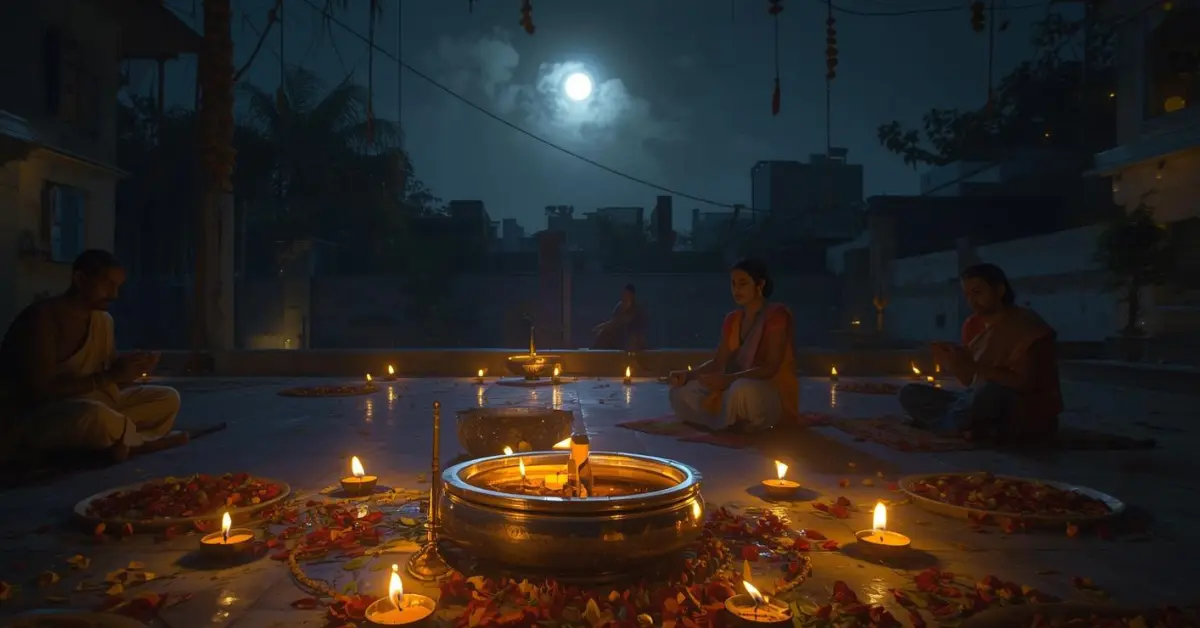
Sharad Purnima is one of the most beautiful full-moon festivals celebrated in Hindu tradition. As the monsoon season gives way to autumn, the sky often becomes clearer, the evenings feel calmer, and the bright full moon becomes the center of a night filled with devotion, family traditions, and festive food.
For many Indian households, Sharad Purnima is more than a religious occasion. It is a time to offer prayers, prepare traditional kheer, remember stories associated with Goddess Lakshmi and Lord Krishna, and spend meaningful moments with family. Different regions celebrate the festival in their own ways, making it an important part of India’s cultural diversity.
Also known as Kojagari Purnima or Raas Purnima in certain traditions, Sharad Purnima is associated with prosperity, devotion, gratitude, and the beauty of the autumn moon. Although the rituals may differ from one community to another, the central theme remains the same: welcoming positivity and expressing faith through traditional practices.
What Is Sharad Purnima?

Sharad Purnima falls on the full-moon day of the Hindu lunar month of Ashwin, generally during September or October. The festival is associated with the arrival of Sharad Ritu, or autumn, after the rainy season.
In Hindu tradition, the full moon on this night is considered especially auspicious. A popular belief holds that the moon shines with all sixteen kalas, often understood as its complete qualities or aspects. Its rays are traditionally associated with nourishment and a sense of spiritual purity.
The festival is celebrated differently across India. Some families worship Goddess Lakshmi and pray for prosperity, while devotees in the Braj region remember the divine Raas Leela of Lord Krishna. In several households, rice kheer is prepared and placed under the moonlight as part of the traditional observance.
These customs have been passed down through generations, connecting religious beliefs with family life, seasonal changes, and regional culture.
The Spiritual Significance of Sharad Purnima
The spiritual meaning of Sharad Purnima is closely connected with devotion, completeness, gratitude, and hope. The bright full moon serves as a reminder of wholeness and calmness in many traditional interpretations.
1. Worship of Goddess Lakshmi
Goddess Lakshmi is associated with prosperity, abundance, good fortune, and well-being. On Sharad Purnima, many devotees offer prayers to her and seek blessings for peace and prosperity in their homes.
In several regional traditions, the festival is also called Kojagari Purnima. The name is commonly connected with the phrase Ko jagarti?, meaning “Who is awake?” According to popular belief, Goddess Lakshmi visits homes on this night and blesses those who remain awake in devotion.
Families may clean and decorate their homes, light lamps, prepare offerings, and recite prayers. These practices also encourage people to welcome the festival with a sense of care, gratitude, and togetherness.
2. The Connection With Lord Krishna
Sharad Purnima is also associated with Lord Krishna’s Raas Leela in the devotional traditions of Braj and Vrindavan. The story describes Krishna dancing with the gopis on a beautiful autumn night under the full moon.
For devotees, the Raas Leela represents divine love, devotion, and the soul’s longing for a connection with God. The story is remembered through devotional songs, temple celebrations, storytelling, and special prayers.
This connection gives Sharad Purnima a distinct place in Krishna worship, particularly in the Braj region, where the festival may also be called Raas Purnima.
3. The Symbolism of the Full Moon
The full moon is one of the most recognizable symbols of Sharad Purnima. In traditional belief, the moonlight on this night is considered especially pure and nourishing.
Spending time beneath the moon, offering prayers, or simply observing the peaceful night can become a meaningful personal or family tradition. The moon’s brightness is often interpreted as a symbol of clarity, balance, and spiritual completeness.
These meanings belong to cultural and religious tradition; claims that moonlight provides special medical benefits should not be treated as scientifically established facts.
Why Is Kheer Prepared on Sharad Purnima?

One of the best-known customs of Sharad Purnima is preparing kheer, a traditional Indian dessert made with milk, rice, and sugar or another sweetener.
In many households, the prepared kheer is placed in a clean, covered vessel where it can receive the moonlight. Some families leave it outdoors for part of the night and later distribute it as prasad.
According to traditional belief, the moonlight on Sharad Purnima is associated with amrit, or divine nectar. Placing kheer under the moon is therefore regarded as a symbolic way of receiving blessings for health, happiness, and prosperity.
The custom also reflects the importance of food in Indian festivals. Preparing a shared dish, offering it during worship, and distributing it among family members and neighbors creates a sense of community.
A practical food-safety reminder: Milk-based kheer is perishable. If you follow this custom, keep it covered and protected from insects and dust, and avoid leaving it at outdoor temperatures for extended periods. Refrigerate it promptly and follow safe food-handling practices rather than assuming moonlight preserves it.
Popular Sharad Purnima Rituals and Traditions
Sharad Purnima rituals vary by family, community, and region. There is no single set of practices followed by everyone, but several customs are widely recognized.
1. Cleaning and Decorating the Home
Some families clean their homes before the festival as a way of preparing for worship and welcoming Goddess Lakshmi. They may decorate the entrance with rangoli, arrange flowers, and place lamps in selected areas.
These preparations create a festive atmosphere and bring family members together.
2. Performing Lakshmi Puja
Devotees who observe Lakshmi Puja may arrange an image or idol of the goddess, offer flowers and sweets, light a lamp, and recite prayers according to their family tradition.
Many households pray for peace, financial stability, and well-being. The focus is not only on material prosperity but also on maintaining harmony and gratitude within the family.
3. Offering Prayers to the Moon
In some traditions, devotees offer water to the moon after moonrise and say prayers. Others spend time outdoors, sing devotional songs, or observe the full moon quietly with family.
The exact procedure can differ by region and household practice.
4. Preparing Kheer as Prasad
Kheer is prepared as a traditional offering and shared with family members after worship. Some households place it under the moonlight, following the belief associated with Sharad Purnima.
The shared meal is often one of the most memorable parts of the celebration, especially for families who have maintained the custom for generations.
5. Staying Awake for Nighttime Worship
The Kojagari tradition is associated with remaining awake during the night in devotion to Goddess Lakshmi. Families may sing bhajans, recite prayers, listen to religious stories, or spend time together.
Not every family observes a night-long vigil. Many follow the customs that are meaningful and practical within their own tradition.
How Sharad Purnima Is Celebrated Across India

India’s regional diversity is reflected in the many names and practices associated with the autumn full moon.
West Bengal, Assam, and Other Eastern Traditions
In Bengal and some neighboring regions, the occasion is widely known as Kojagari Lakshmi Puja or Kojagari Purnima. Families worship Goddess Lakshmi, make traditional offerings, and may remain awake for prayers during the night.
The festival highlights household devotion, prosperity, and the importance of family customs.
Maharashtra
In Maharashtra, the festival is commonly known as Kojagiri Purnima. A popular custom is gathering with family or friends and enjoying milk, often prepared with spices such as cardamom or saffron.
For many people, the celebration is as much about spending time together beneath the full moon as it is about religious observance.
Uttar Pradesh and the Braj Region
In Braj, including areas around Mathura and Vrindavan, Sharad Purnima is closely associated with Lord Krishna’s Raas Leela. Temples may organize devotional programs, bhajans, and special observances connected with Krishna’s life.
The region’s traditions give the festival a strong connection with devotional music, storytelling, and the spiritual symbolism of divine love.
Gujarat
The autumn full moon is also celebrated as Sharad Punam in Gujarat. Depending on local custom, celebrations may include devotional gatherings, traditional foods, and music or dance.
The style of observance differs across communities, but the full moon remains a central feature of the festival.
Odisha
Odisha observes a related full-moon festival known as Kumar Purnima. Its customs and religious associations differ from those of Sharad Purnima in some other regions. Young women, in particular, participate in traditional observances connected with the occasion.
This regional variation demonstrates how the same period in the lunar calendar can inspire distinct local traditions.
Cultural Values Behind Sharad Purnima

Beyond its religious significance, Sharad Purnima reflects several cultural values that continue to shape family celebrations.
Family togetherness: Preparing food, performing puja, and spending time together help strengthen family connections.
Gratitude and prosperity: Prayers to Goddess Lakshmi express hopes for stability, abundance, and well-being.
Respect for tradition: Rituals passed down through generations preserve stories, recipes, and regional customs.
Community participation: Sharing prasad, visiting temples, and joining devotional gatherings create opportunities for connection.
Seasonal awareness: The festival is linked with the arrival of autumn, showing how traditional celebrations often follow the rhythms of the natural world.
These values make Sharad Purnima meaningful even for people whose observances are simple and centered on a family meal or a short prayer.
Simple Ways to Celebrate Sharad Purnima at Home
You can observe Sharad Purnima in a way that respects your family’s customs without making the preparations complicated.
- Prepare your space: Clean the area where you plan to perform puja and arrange flowers or a small rangoli if desired.
- Offer a prayer: Worship Goddess Lakshmi, Lord Krishna, or the deity honored in your family tradition.
- Make traditional kheer: Prepare rice kheer with milk and your preferred sweetener as an offering.
- Spend time under the full moon: If weather and surroundings allow, enjoy the evening outdoors with your family.
- Share prasad: Distribute the offering among family members or neighbors, following safe food-handling practices.
- Read or listen to a traditional story: Choose a story about Goddess Lakshmi or Krishna’s Raas Leela that is relevant to your family’s observance.
- Keep the celebration meaningful: A simple prayer, a shared meal, or a moment of gratitude can be enough to honor the occasion.
If you follow specific fasting rules or puja timings, consult the panchang and customs used in your region.
Sharad Purnima 2026: Date and Observance

Sharad Purnima is observed on the full-moon tithi of the Hindu month of Ashwin. In 2026, the observance is expected around 25 October, although the Purnima tithi continues into 26 October. The date used for fasting or puja can vary according to the local calendar and the tradition followed.
Moonrise and auspicious puja timings also depend on location. If you are planning a specific ritual, check a trusted local panchang or temple announcement for your city instead of relying on a general national timing.
FAQ’S
1. What is the main meaning of Sharad Purnima?
Sharad Purnima is an autumn full-moon festival associated with devotion, prosperity, the worship of Goddess Lakshmi, and the Raas Leela of Lord Krishna in certain traditions.
2. Why is Sharad Purnima considered auspicious?
Many Hindu traditions regard the full moon of Ashwin as spiritually significant. Worship, prayers, and customary offerings are performed to express devotion and seek blessings for well-being and prosperity.
3. Why do people keep kheer under the moonlight?
Traditional belief holds that the moonlight on Sharad Purnima has special nourishing qualities. Kheer is placed under the moon as part of the observance and later shared as prasad. This is a religious and cultural belief, not a proven medical effect.
4. Is Sharad Purnima the same as Kojagari Purnima?
The names are closely related and often refer to the same autumn full-moon observance. Regional names, rituals, and the exact day chosen for worship can differ according to local tradition.
5. What is the connection between Sharad Purnima and Lord Krishna?
In the Braj devotional tradition, Sharad Purnima is associated with Krishna’s Raas Leela, a sacred story interpreted as a symbol of divine love and devotion.


Leave a Reply