
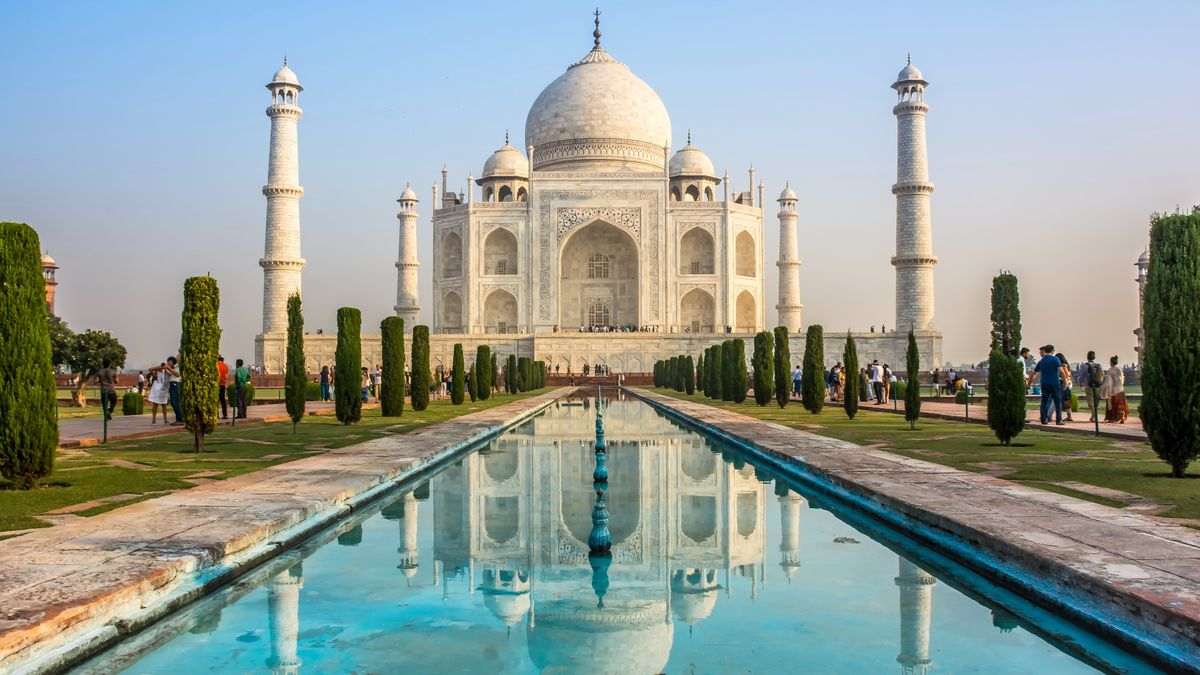
Indian culture has always been a living, breathing entity.technological It is not a museum piece frozen in time, but a continuous stream that adapts, absorbs, and grows with every passing decade.
Today, as global connectivity, technological shifts, and rapid urbanization redefine daily life, Indian culture is undergoing one of its most fascinating transformations yet. The story of modern India is not about abandoning ancient roots; it is about reinterpreting tradition to fit a fast-paced, high-tech world.
Here is a deep look at how core cultural foundations—from family structures and weddings to festivals, food, and work ethics—are shifting today.
Walk through any Indian city today and you will see it right away. A woman in a saree checks her phone for a food delivery, a teenager in sneakers touches the feet of his grandfather, and a temple bell rings just beside a glass-front coffee shop. India has always been a land of many cultures, but the speed of change in recent years feels different. Technology, travel, education, and global media are reshaping how people live, dress, eat, and think.
The interesting part is that nothing is simply disappearing. Old and new are mixing in ways that are sometimes messy and often beautiful. Let’s look at how Indian culture is changing, and what is staying the same.
1. Family and Home Life

For generations, the joint family was the heart of Indian society. Grandparents, parents, uncles, aunts, and cousins often lived under one roof, sharing meals, money, and responsibilities. Today, jobs and education take people to other cities and even other countries, so nuclear families are becoming common. Homes are smaller, schedules are busier, and decisions are often made by the couple rather than the whole household. Yet the emotional bond has not weakened as much as people fear. Video calls, family WhatsApp groups, and festival visits keep relatives connected, even when they live far apart.
- Nuclear families are growing, especially in big cities.
- Elders are often consulted, but the final choice is more personal.
Changing Roles at Home
- Both partners now work and share household duties more often.
- Fathers are taking a more active part in raising children.
Staying Connected
- Daily video calls replace long visits.
- Festivals remain the main time when families gather.
2. Food and Eating Habits
Indian food has always been diverse, but the modern plate looks very different from what our grandparents ate. Pizza, pasta, burgers, and sushi now sit next to dal, roti, and biryani on restaurant menus. Food delivery apps have made it possible to order almost anything within thirty minutes. At the same time, there is a real return to traditional grains like millets, along with growing interest in regional recipes that were once forgotten. People are also more aware of health, so words like protein, organic, and low-sugar are part of everyday talk.
- Street food and fast food now share the same popularity.
- Home cooking is still seen as the most comforting choice.


The Delivery Culture
- Apps make late-night and quick meals easy.
- Cloud kitchens are changing how restaurants work.
A Return to Roots
- Millets, ragi, and jowar are becoming fashionable again.
- Regional dishes are being shared widely on social media.
3. Clothing and Fashion
Clothing is one of the most visible signs of cultural change. Jeans, T-shirts, and blazers are now normal in offices and colleges across the country, while traditional wear is saved for weddings, festivals, and special days. What is fascinating is how the two styles blend. A kurta with sneakers, a saree with a belt, or a lehenga paired with a modern blouse would have seemed strange once, but now they look stylish. Young designers are also reviving handloom fabrics and giving them a fresh, contemporary feel.
- Western and Indian styles are often worn together.
- Comfort and personal choice now matter more than strict rules.
Traditional Wear Today

- Sarees and sherwanis remain popular for weddings.
- Handloom and khadi are gaining new fans.
Influence of Social Media
- Trends spread within days through reels and videos.
- Local brands now reach customers across the country.
4. Language and Communication
Language in India is changing in a very natural way. Many young people now mix Hindi, regional languages, and English in the same sentence, and this blend has become a style of its own. English is seen as a language of opportunity, so more families are choosing English-medium schools. At the same time, there is a growing pride in mother tongues. Regional films, music, and online creators are bringing languages like Tamil, Marathi, Bengali, and Punjabi to a much wider audience than before.
- Mixed languages like Hinglish are part of daily speech.
- Regional content is finding national and global viewers.
The Role of Technology
- Translation tools help people connect across languages.
- Voice typing in local languages is becoming common.
Keeping Languages Alive
- Parents are encouraged to speak the mother tongue at home.
- Schools and communities run programs to protect local languages.
5. Festivals and Traditions

Festivals are still the soul of Indian life, and Diwali, Eid, Holi, Christmas, and Pongal are celebrated with just as much joy. What has changed is the way people celebrate. Online shopping, digital greetings, and social media posts are now part of the festive season. There is also a growing awareness of the environment, with many families choosing clay idols, eco-friendly colors, and fewer firecrackers. Weddings have become bigger, more creative events, with pre-wedding shoots and destination venues alongside the age-old rituals.
- Celebrations are more public, shared, and photographed.
- Eco-friendly choices are becoming more popular.
Modern Touches
- E-invites and online gifting save time.
- Weddings now blend rituals with themed events.
What Stays the Same
- Prayers, family meals, and blessings from elders.
- The feeling of coming home during festivals.
6. Education and Careers
Education has long been valued in India, but its purpose is shifting. Earlier, the focus was on safe, stable jobs like medicine, engineering, or government service. Today, young people are exploring careers in content creation, design, startups, gaming, and data science. Online learning has opened doors for students in small towns who once had few options. Many parents are slowly accepting that success can look different for each child, though the pressure of exams and competition is still very real.
- Skills and practical experience are valued more than before.
- Students now learn from global platforms, not just local classrooms.
New Career Paths

- Startups and freelancing attract young talent.
- Creative careers are gaining respect.
Changing Parent Attitudes
- More parents support their children’s own choices.
- Mental health is slowly becoming part of the conversation.
7. Social Values and Mindsets
Perhaps the deepest change is happening in the way people think. Conversations about women’s independence, mental health, equality, and personal freedom are now much more open than they were a generation ago. Women are stepping into leadership roles in business, sports, politics, and science. Many young people are also questioning customs that no longer make sense, such as strict rules about marriage or caste. This brings real tension between generations, but it also leads to important and honest discussions at home.

- Young Indians are more vocal about their opinions and choices.
- Respect for elders still remains a core value.
Women and Independence
- More women are earning, leading, and making financial decisions.
- Marriage is increasingly a matter of personal choice.
Opening Up About Mental Health
- Therapy and counseling are less of a taboo.
- Public figures are speaking openly about their struggles.
8. Holding On to Roots in a Global World
With so much changing, a fair question is whether Indian culture is losing its identity. The honest answer is no, though it is certainly evolving. Yoga, Ayurveda, classical dance, and Indian cuisine have become admired around the world, and the Indian diaspora carries these traditions across continents. Within India, many young people are taking a fresh interest in their heritage, learning classical music, visiting historic places, and sharing folk art online. Culture has never been frozen in time. It has always grown by absorbing new ideas while keeping its core values alive.
- Tradition and modernity can exist side by side.
- Pride in heritage is growing among the younger generation.
Quick Look at the Change
| Area | Earlier | Today |
|---|---|---|
| Family | Joint families | Smaller, connected through technology |
| Food | Mostly home-cooked meals | Home food mixed with global and delivered food |
| Clothing | Mostly traditional | Western and Indian styles blended |
| Language | Mainly mother tongue | Mixed languages, with English widely used |
| Careers | Stable, traditional jobs | Creative, digital, and startup careers |
Looking Ahead
- Expect even more blending of local and global ideas.
- The challenge is to keep the values that truly matter.
Indian culture is not breaking apart. It is stretching, adapting, and finding new ways to express itself. The saree, the temple bell, and the family dinner are still here, now alongside smartphones, startups, and global ideas. As long as people remember where they come from while welcoming what is new, Indian culture will keep growing stronger.
FAQs
1. How is Indian culture changing in the modern world?
Indian culture is evolving through technology, globalization, and changing lifestyles.
2. Does modern life affect Indian traditions?
Yes, modern lifestyles influence how people celebrate festivals, dress, and communicate.
3. Are young Indians following traditional values?
Many young Indians balance traditional values with modern ideas.
4. How does social media influence Indian culture?
Social media spreads cultural trends, traditions, fashion, and regional art.
5. Why is preserving Indian culture important?
It helps future generations understand their heritage, history, and identity.


Leave a Reply