
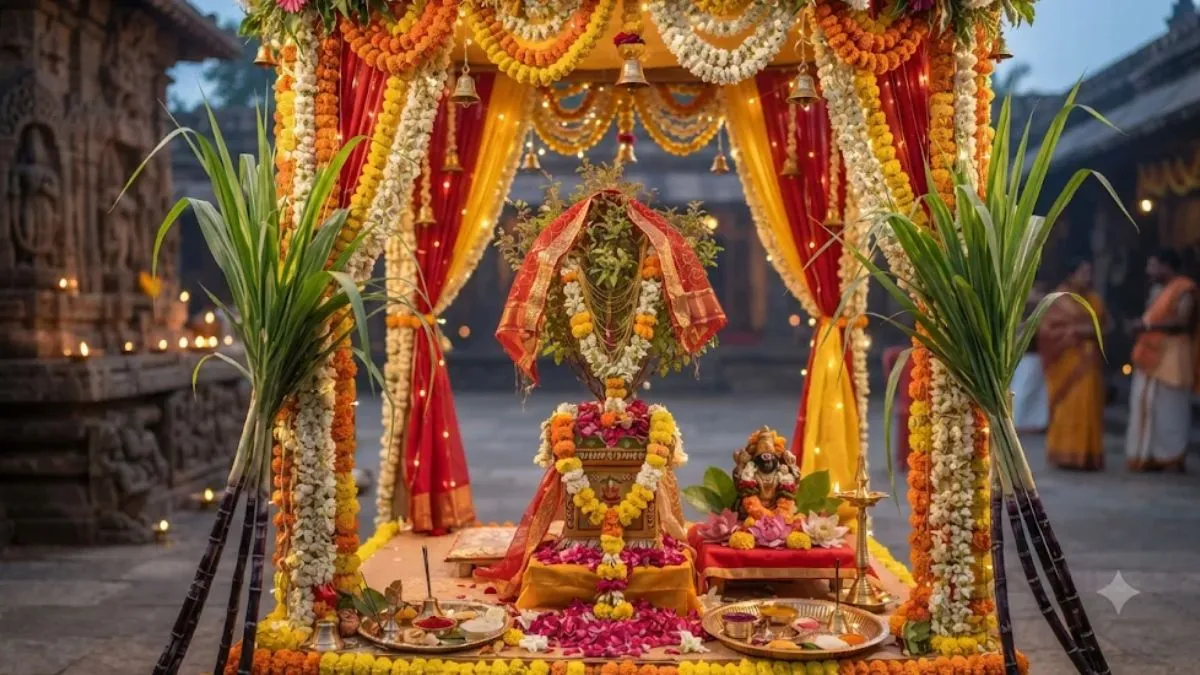
Last year, I volunteered to take photos at my aunt’s Tulsi Vivah, thinking it would be easy. The courtyard was pretty, the plant was decorated with a red chunri and marigolds, and a row of diyas glowed along the wall. I stood close with my phone, used flash for every shot and told everyone to “look this way”. By the time the puja was over, I had two hundred photos and almost none that felt real. The diyas looked washed out, my aunt looked tense and the lovely quiet of the evening had disappeared from every frame.
I used to think festival photography meant capturing everything that was happening, as clearly and as brightly as possible. Every album I’d seen online had perfectly lit, perfectly posed pictures, so I assumed that was the goal. In reality, the most beautiful pictures of a small family ritual are quiet ones: hands arranging a garland, light from a lamp on a face, a child watching with wide eyes. If you’ve ever taken many photos of an occasion and felt none of them captured how it felt, you know exactly what I mean.
So I changed my approach. I learned to work with the lamplight, step back, wait for moments and respect the ritual. My photos improved, and so did the mood in the room. This guide shares how to capture beautiful Tulsi Vivah moments through photography, and none of it needs a professional camera. A phone and a bit of patience are enough.
Understand the Occasion Before You Shoot

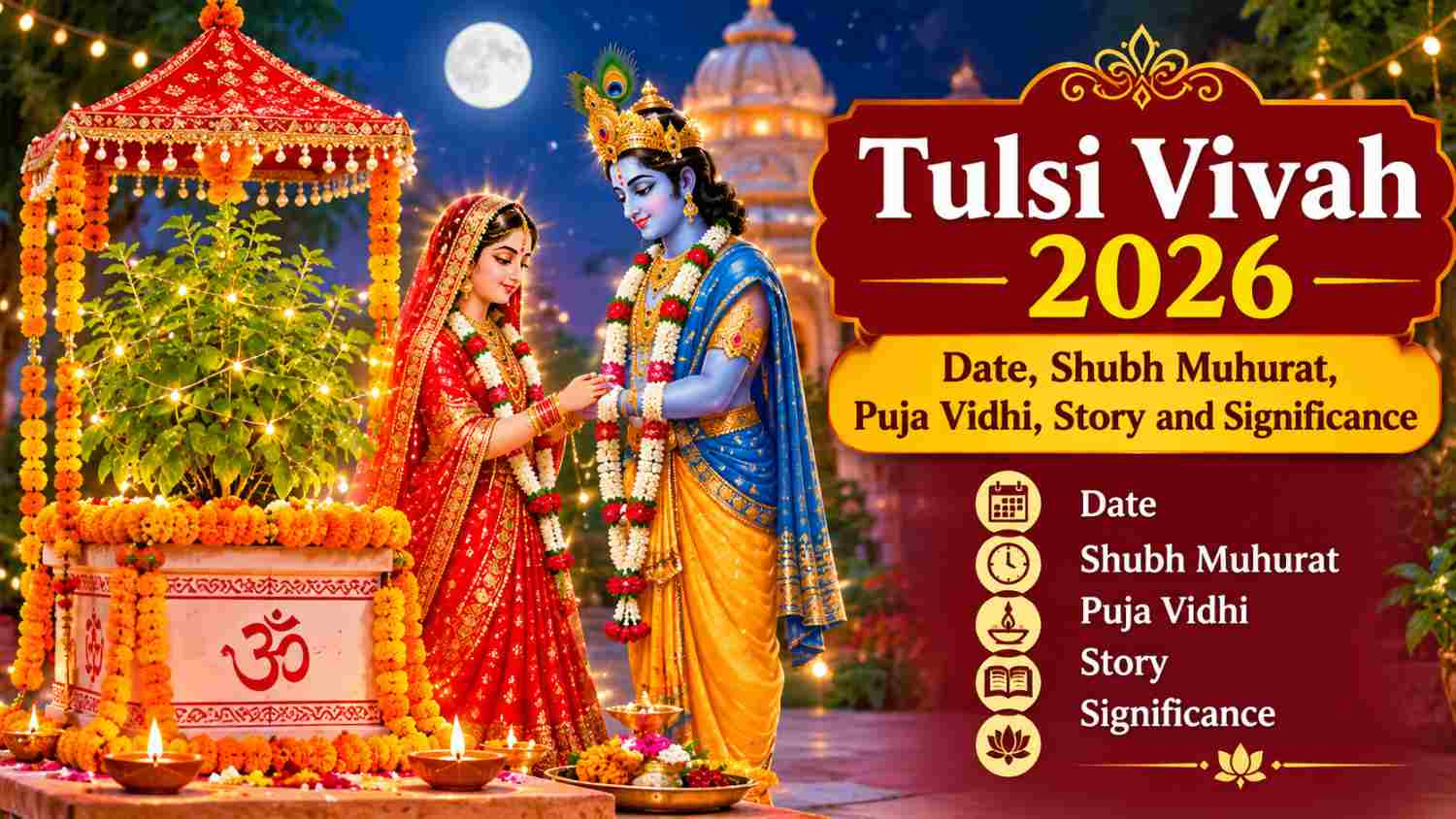
Tulsi Vivah is a ritual symbolic wedding of the Tulsi plant with Lord Vishnu, usually in the form of a Shaligram or an image. It happens in the Hindu month of Kartik, after Dev Uthani Ekadashi, and is often seen as the start of the wedding season. Families decorate the plant like a bride, build a small mandap, light lamps and offer prayers. Because it is a religious ceremony in a home or temple, the best photos come from someone who understands the flow and respects the mood.
- It is a devotional ritual, not a performance
- The Tulsi plant is decorated like a bride, often with a chunri, bangles and flowers
- Lamps, sugarcane, marigolds and rangoli are common elements
- Customs and dates vary between families and regions
- Knowing the steps helps you be in the right place at the right time
Plan Your Shoot Before the Day
A little preparation helps you capture more and disturb less. Talk to the family beforehand and learn the plan.
Ask About the Schedule and Permissions
Before attending a Tulsi Vivah celebration, check the पूजा timings and ask about any arrangements or permissions needed at the venue.
🌿 Tap to Reveal 6 Tips
- Ask about the Tulsi Vivah date and timing.
- Confirm the पूजा and wedding ceremony schedule.
- Check whether guests need prior permission.
- Ask if visitors can bring flowers or offerings.
- Find out about special arrangements for guests.
- Follow the temple or family guidelines.
Visit the Space Early
Arrive early at the Tulsi Vivah venue to see the decorations, understand the arrangements, and enjoy the peaceful festive atmosphere.
🪔 Tap to Reveal 6 Tips
- Reach the venue before the ceremony begins.
- Look for the decorated Tulsi plant.
- Notice the flowers and traditional decorations.
- Find a comfortable place to sit.
- Keep the entrance and पूजा area clear.
- Enjoy the preparations without rushing.
Ask About the Schedule and Permissions
Ask the family when the main rituals will happen, such as the decoration, the arrival of the “groom”, the aarti and the circling of the mandap. Find out whether they’re comfortable with photography at every stage, and whether there are moments when they’d prefer no photos. Agree on a simple signal, like a nod, so you know when to step back. Respecting these wishes earns trust, and people relax in front of the camera when they trust you.
- Ask about the rituals and their timing
- Confirm which moments are fine to photograph
- Agree on a quiet signal to pause or step back
- Ask elders before photographing them closely
- Respect any requests to avoid certain angles
Visit the Space Early
Arrive before the guests, when the courtyard or room is calm, and look at the decorations. Notice where the light falls, where people will stand and which spots give a clean background. Take a few photos of the empty, decorated setup, since these detail shots often look beautiful and tell the story. Check that the area is safe, since lamps, wires and crowded spaces can create hazards.
- Arrive early to scout angles and light
- Photograph the decorated plant and mandap before guests arrive
- Note where people will stand and move
- Check for safe, clear spots to stand
- Keep an eye on lamps, wires and decorations
Work With Evening and Lamp Light

Most Tulsi Vivah ceremonies happen in the evening, which means soft, golden and low light. This is both a challenge and a gift.
Use the Warm Glow Instead of Fighting It
The warm light of diyas, string lights and the last of the daylight gives faces and decorations a beautiful glow. Avoid using direct flash, since it flattens the scene and removes the atmosphere. Instead, move closer to the light source, and let it fall on the face from the side. If the light is very dim, steady your phone or camera, and use night mode with care.
- Skip flash and use the natural glow
- Place yourself so the lamp light falls on faces from the side
- Use night mode and stay still until it finishes
- Rest your phone on a surface or tripod if possible
- Take a few shots at dusk, when the sky still has colour
Handle Brightness and Focus
Tap on your subject to set focus, then slide the brightness slightly down so flames don’t turn into white blobs. Lock focus and exposure if your phone allows. If you use a camera, a wider aperture and a slightly higher sensitivity setting can help in low light. Take a test shot before the main moment, and adjust.
- Tap on the face or the decorated plant to focus
- Lower brightness slightly to protect the flames
- Lock focus and exposure when possible
- Take a test shot before the key ritual
- Keep your lens clean, since lamp smoke and fingerprints blur the light
Capture the Details That Tell the Story

Beautiful ritual photography is often about small things. Details create atmosphere, and they let the family relive the day later.
Look for Meaningful Details
Photograph the Tulsi plant in its bridal decoration, the red chunri, the bangles, marigold garlands, sugarcane stalks forming the mandap, the rangoli and the rows of diyas. Hands are particularly expressive: hands tying a thread, lighting a lamp, offering flowers or folding in prayer. Fill the frame with a single detail, and keep the background simple.
- The decorated plant, chunri and jewellery
- Garlands, sugarcane and marigold details
- Rangoli patterns and rows of diyas
- Hands lighting lamps, offering flowers or tying threads
- Prasad, sweets and puja items arranged neatly
Choose Strong Angles
📸 Choose Strong Angles
Capture the beauty of Tulsi Vivah with thoughtful photos. Focus on the decorations, sacred rituals, flowers, and special festive moments.
✨ Tap to Reveal 6 Photography Tips
- 🌿 Capture the decorated Tulsi plant.
- 🌸 Focus on beautiful flowers and decorations.
- 🪔 Take close-up photos of diyas.
- 🙏 Capture rituals respectfully.
- 📷 Try different camera angles.
- 💛 Capture natural family moments.
Shoot from different heights. A low angle near the plant can show the flames and flowers beautifully, while a slightly higher angle can capture the whole mandap. Use the grid to keep lines straight, and place the main subject off-centre. Frame through diyas, flowers or a doorway for depth.
- Try low angles to show the plant and lamps
- Use a higher angle for the whole setup
- Keep vertical and horizontal lines straight
- Use foreground elements like flowers or lamps for depth
- Take one wide, one medium and one close shot of each scene
Photograph People Naturally
People are the heart of any family ritual, and the best photos show real emotion, not stiff poses.
📸 Capture Candid Moments
Beautiful Tulsi Vivah memories often come from natural and unplanned moments. Capture the joy, smiles, and festive atmosphere without disturbing anyone.
✨ Tap to Reveal Tips
- 😊 Capture natural smiles and happy moments.
- 🌸 Photograph beautiful decorations.
- 🪔 Take pictures of the festive arrangements.
- 👨👩👧 Capture family memories with permission.
- 💛 Focus on genuine emotions and celebrations.
🙏 Keep Respect at the Centre
Tulsi Vivah is a meaningful religious celebration. Enjoy taking photographs while respecting the rituals, traditions, and feelings of everyone present.
🌿 Tap to Reveal Tips
- 🙏 Respect all religious rituals.
- 📷 Ask permission before photographing people.
- 🤫 Keep noise low during prayers.
- 🚶 Avoid blocking anyone’s way.
- 🌼 Follow the family’s photography preferences.
Capture Candid Moments
Keep your phone ready, and take photos while people are busy: decorating, singing, preparing prasad or arranging the plant. Children watching with curiosity, an elder guiding a ritual and relatives laughing together make lovely pictures. Stand at a respectful distance, use a gentle zoom if needed and take several frames in a row, since expressions change quickly.
- Photograph people while they’re doing something
- Stand back and use a slight zoom instead of crowding
- Take several shots in a row
- Capture elders, children and the quiet moments between rituals
- Avoid asking people to “look at the camera” during prayers
Keep Respect at the Centre
Never interrupt a ritual to get a better shot. Avoid standing between the family and the plant, and don’t block the view of the elders. If someone looks uncomfortable, lower the camera. Share photos with the family afterwards, and ask before posting images of individuals online.
- Don’t interrupt or direct rituals
- Don’t block the view of those performing the puja
- Lower the camera if someone looks uncomfortable
- Share the photos with the family afterwards
- Ask before posting people’s pictures online
A Quick Guide to Shots Worth Taking
Here is a handy shot list you can follow, so you don’t miss the main moments.
| Moment | What to Photograph | Best Angle | Light Tip | Common Mistake |
|---|---|---|---|---|
| Decoration of the plant | The chunri, bangles, flowers and the mandap | Close-up and slightly low | Use daylight or soft lamp light | Rushing and capturing only wide shots |
| Lighting the diyas | Hands lighting lamps and the glow of the flames | Close and at flame level | Lower brightness and avoid flash | Overexposed, washed-out flames |
| The ceremony and aarti | Faces, folded hands and offerings | Medium shot from the side | Let the lamp light fall on faces | Using flash and disturbing the prayer |
| Family and guests | Candid smiles, children and elders | Eye level or slightly lower | Use warm indoor light | Posing everyone stiffly |
| Final details and prasad | Sweets, decorated plant and rangoli | Top-down or close-up | Use soft natural or indoor light | Cluttered background |
Edit Gently and Keep the Mood

Editing should preserve the warmth of the evening, not replace it. Lift the shadows slightly if faces look too dark, and lower the highlights if the flames look harsh. Keep the warm tones, and avoid heavy filters that turn faces orange or flatten the scene. Crop out distractions, straighten the lines and remove stray objects. Stop when the image still feels like the evening you remember.
- Lift shadows a little and lower highlights
- Keep the warm tones natural
- Avoid heavy filters and strong smoothing
- Crop and straighten last
- Choose a small set of your best images instead of sharing everything
Little Touches That Make Photos Special
A few thoughtful habits make a big difference. They cost nothing.
- Take a quiet photo of the decorated plant before guests arrive
- Capture an elder’s hands in prayer
- Photograph a child looking at the lamps
- Include a few close-ups of prasad and decorations
- Print one or two favourites for the family
- Add a short caption naming people and the date
Stay Safe and Be Considerate
Stay Safe and Be Considerate
Celebrate Tulsi Vivah with care and respect. Keep the पूजा area clean and make everyone feel comfortable.
🌿 Tap to Reveal 6 Tips
- Keep the Tulsi plant area clean.
- Place diyas in a safe location.
- Avoid overcrowding near the पूजा area.
- Arrange flowers and पूजा items neatly.
- Respect family traditions.
- Help children and elderly family members.
Put the Camera Down Sometimes
Enjoy the beauty of Tulsi Vivah instead of recording every moment. Give yourself time to experience the celebration.
🪔 Tap to Reveal 6 Tips
- Take a few pictures of the decorations.
- Ask permission before photographing others.
- Avoid using your phone during important rituals.
- Enjoy devotional songs and prayers.
- Spend quality time with family.
- Make memories instead of recording everything.
Lamps, candles and decorations can be fire hazards, particularly with silk fabrics and dry marigolds. Keep your distance from flames, tie back loose clothing and don’t lean over diyas to get a closer shot. Watch where you step, especially in a crowded courtyard or near wires. Keep your phone secure, and respect other people’s space and privacy.
- Keep a safe distance from open flames
- Tie back loose sleeves and hair
- Watch for wires, steps and crowded spaces
- Avoid blocking walkways with equipment
- Respect others’ privacy and comfort
Put the Camera Down Sometimes
At some point during the evening, stop photographing and simply be there. Listen to the songs, feel the warmth of the lamps and join the prayer. The best photographer in a family isn’t the one who captures every moment, but the one who also takes part. Take your photos with care, then put the phone away and enjoy the evening. The pictures will help you remember, but the memory itself belongs to the moment you lived.
FAQs
1. When is Tulsi Vivah in 2026?
Most sources list Saturday, 21 November 2026, the day after Dev Uthani Ekadashi, though some families observe it on Ekadashi itself or up to Kartik Purnima.
2. How can I photograph a ritual without disturbing it?
Ask the family first, stand at a respectful distance, avoid flash and never interrupt the prayer.
3. How do I take good photos in lamp light?
Skip flash, tap to focus, lower brightness slightly and steady your phone or use night mode.
4. What moments should I photograph?
The plant’s decoration, lighting the diyas, the aarti, candid family moments and details like garlands and prasad.
5. Should I post photos of the ceremony online?
Ask the family and the people in the photos first, and share only what they’re comfortable with.


Leave a Reply