
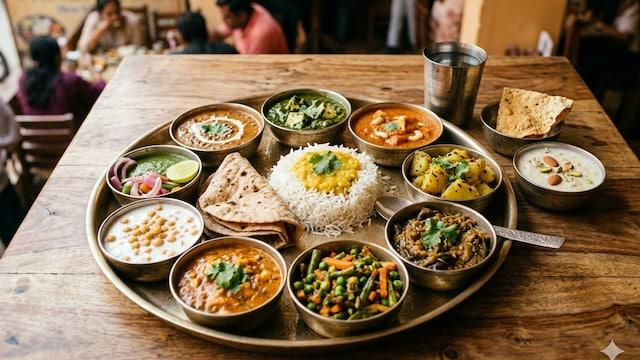
Food is an important part of everyday life, but its meaning goes far beyond satisfying hunger. It reflects a country’s history, traditions, lifestyle, and cultural identity. Every region has its own cooking methods, ingredients, flavours, and dining customs that have been passed down through generations. From spicy Indian curries and Italian pasta to Japanese sushi and Mexican tacos, traditional food offers a wonderful way to explore different cultures.
In 2026, people are showing greater interest in international cuisines, authentic recipes, and traditional cooking methods. Travelling, social media, cooking shows, and global food festivals have made it easier to discover dishes from different parts of the world. People are not only interested in tasting new foods but also learning about the stories and traditions behind them.
Food also brings families and communities closer. Special meals are prepared during weddings, religious festivals, national celebrations, and family gatherings. These occasions create memories and help preserve cultural values. Let’s explore how different countries celebrate their traditions through food and what makes their cuisines special.
1. Indian Food Traditions: A Rich Blend of Spices and Flavours

Indian cuisine is known for its variety, colourful ingredients, and distinctive spices. Every Indian state has its own traditional dishes influenced by local agriculture, climate, religion, and history.
North Indian cuisine includes popular dishes such as butter chicken, chole bhature, dal makhani, and parathas. Southern India is famous for dosa, idli, sambar, and coconut-based curries. Western India offers dishes such as dhokla, pav bhaji, and Gujarati thali, while Eastern India is known for its sweets, fish preparations, and rice-based meals.
Food is closely connected with Indian festivals. During Diwali, families prepare sweets such as laddoos, gujiya, and barfi. During Eid, biryani, kebabs, and sheer khurma are enjoyed. Pongal and Baisakhi also feature special dishes connected with harvest celebrations.
Indian cooking uses ingredients such as turmeric, cumin, coriander, cardamom, ginger, and garlic. These ingredients give traditional recipes their unique taste and aroma.
2. Italian Food Culture: Simple Ingredients and Authentic Taste
Italian cuisine is popular worldwide for its fresh ingredients, traditional recipes, and comforting flavours. Italian cooking often focuses on using a few good-quality ingredients rather than complicated preparation methods.
Pizza, pasta, lasagna, risotto, and tiramisu are among the most recognised Italian dishes. However, every region has its own specialities. Naples is famous for traditional pizza, while Bologna is associated with pasta dishes such as tagliatelle al ragù.
Family dining is an important part of Italian culture. People often enjoy long meals with relatives and friends, sharing food and conversations. Sunday lunches are especially meaningful in many Italian households.
Bread, cheese, olive oil, tomatoes, and fresh herbs are commonly used in Italian cooking. These ingredients create simple yet satisfying meals that reflect the country’s culinary heritage.
3. Japanese Food Traditions: Balance and Presentation
Japanese cuisine is appreciated for its freshness, balanced flavours, and careful presentation. Traditional meals often include rice, vegetables, seafood, soup, and seasonal ingredients.
Sushi is one of Japan’s most famous dishes. It is prepared using seasoned rice combined with seafood, vegetables, or other ingredients. Other popular foods include ramen, tempura, udon, miso soup, and yakitori.
Japanese food culture also places importance on seasonal ingredients. People often choose foods according to the time of year, allowing traditional meals to reflect nature and changing seasons.
Dining etiquette is another important part of Japanese culture. Saying Itadakimasu before eating expresses appreciation for the food. The Japanese tea ceremony is also a meaningful tradition that highlights patience, respect, and hospitality.
4. Mexican Cuisine: Bold Flavours and Traditional Recipes
Mexican food is recognised for its colourful appearance, bold flavours, and rich cultural history. Traditional recipes commonly use corn, beans, tomatoes, chillies, avocados, and fresh herbs.
Tacos, enchiladas, tamales, quesadillas, and guacamole are popular Mexican dishes. Corn tortillas are especially important because corn has been a major part of Mexican food culture for centuries.
Mexican cuisine often combines spicy, sour, sweet, and savoury flavours. Ingredients such as lime, coriander, chilli peppers, and fresh tomatoes give many dishes their distinctive taste.
Food also plays an important role in Mexican celebrations. During Día de los Muertos, families prepare traditional meals and special bread known as pan de muerto. These customs connect food with family memories and cultural traditions.
5. Chinese Food Traditions: Family

Meals and Regional Specialities
Chinese cuisine has a long history and includes several regional cooking styles. Each region has its own ingredients, preparation methods, and flavour combinations.
Popular Chinese dishes include dumplings, noodles, fried rice, spring rolls, Peking duck, and dim sum. Sichuan cuisine is known for its spicy flavours, while Cantonese cooking often focuses on fresh ingredients and lighter seasoning.
Family dining is an important part of Chinese culture. Meals are commonly served in shared dishes placed in the middle of the table so everyone can enjoy different foods together.
During Chinese New Year, traditional dishes carry special meanings. Dumplings are associated with prosperity, while long noodles symbolise longevity. Fish is also served as a symbol of abundance and good fortune.
6. Middle Eastern Cuisine: Food, Hospitality, and Sharing
Middle Eastern cuisine is famous for its aromatic spices, fresh ingredients, grilled foods, and generous meals. Food is often prepared for sharing, making it an important part of family gatherings and hospitality.
Popular dishes include hummus, falafel, shawarma, kebabs, tabbouleh, and different varieties of rice. Olive oil, chickpeas, sesame, garlic, lemon, and mint are commonly used.
Hospitality is a significant part of Middle Eastern food traditions. Offering tea, coffee, dates, or a complete meal to guests is considered a welcoming gesture.
During Ramadan, families gather for iftar, the evening meal that breaks the daily fast. Dates and water are often used to begin the meal, followed by traditional dishes prepared for family and friends.
7. French Food Culture: The

Beauty of Traditional Cooking
French cuisine is known for its cooking techniques, fresh ingredients, pastries, breads, and regional specialities. It has influenced restaurant culture and professional cooking around the world.
Some famous French foods include croissants, baguettes, quiche, ratatouille, coq au vin, and crème brûlée.
In France, meals are often treated as an opportunity to enjoy food without rushing. Traditional dining may include several courses, with each dish served separately. Cheese and bread are also important parts of everyday meals.
Local food markets play an important role in French culinary culture. People visit these markets to purchase fresh vegetables, fruits, seafood, cheese, and other regional products.
8. Mediterranean Food Traditions: Fresh and Seasonal Ingredients
Mediterranean food traditions are influenced by countries such as Greece, Italy, Turkey, and Spain. This cuisine is popular for its use of fresh vegetables, fruits, olive oil, seafood, whole grains, nuts, and herbs.
Some well-known dishes include Greek salad, hummus, grilled fish, falafel, olives, and vegetable-based meals.
Sharing food is an important part of Mediterranean culture. Families and friends often gather around a table to enjoy different dishes and spend quality time together.
Traditional Mediterranean eating patterns include a variety of plant-based foods and healthy fats. These food traditions also encourage people to enjoy seasonal ingredients and freshly prepared meals.
9. How Festivals Influence Food Traditions Around the World
Festivals and celebrations are closely connected with traditional food. Many families prepare special recipes during religious occasions, national holidays, weddings, and harvest festivals.
Different countries have their own food customs during important celebrations.
- India: Diwali, Holi, Eid, and Pongal are celebrated with traditional sweets and regional dishes.
- China: Lunar New Year celebrations include dumplings, fish, and rice cakes.
- Mexico: Día de los Muertos features pan de muerto and traditional family meals.
- Japan: New Year celebrations include osechi ryori, a collection of traditional foods.
- United States: Thanksgiving is traditionally celebrated with turkey, mashed potatoes, and pumpkin pie.
- France: Christmas celebrations often include special desserts and festive meals.
These traditions show how food can connect generations and preserve cultural memories. A dish prepared during a festival may remind people of childhood experiences, family gatherings, and important moments.
10. Global Food Trends Shaping 2026
Food habits continue to change as people explore new ingredients, international recipes, and modern cooking methods. Several trends are influencing global food culture in 2026.
Plant-Based Food Choices: More people are exploring vegetarian and plant-based meals. Vegetables, lentils, beans, mushrooms, and plant-based alternatives are becoming popular ingredients.
International Street Food: Foods from different countries are gaining attention. Korean fried chicken, Japanese takoyaki, Mexican tacos, and Indian chaat are popular examples.
Traditional Recipes with Modern Twists: Chefs are experimenting with traditional dishes by introducing new ingredients, cooking techniques, and presentation styles.
Sustainable Food Practices: Reducing food waste, choosing seasonal ingredients, and supporting local farmers are becoming important parts of food discussions.
Home Cooking: Online cooking tutorials and recipe communities encourage people to prepare international dishes at home and learn traditional cooking techniques.
Popular Traditional Foods Around the World
Here is a quick overview of some famous traditional dishes and their main ingredients.
| Country | Traditional Food | Main Ingredients |
|---|---|---|
| India | Biryani | Rice, spices, vegetables or meat |
| Italy | Pizza | Dough, tomato, cheese |
| Japan | Sushi | Rice, seafood, vegetables |
| Mexico | Tacos | Tortillas, beans, meat or vegetables |
| China | Dumplings | Dough, vegetables or meat |
| France | Croissant | Flour, butter, yeast |
| Greece | Greek Salad | Tomato, cucumber, olives, feta |
| Thailand | Pad Thai | Rice noodles, peanuts, vegetables |
| Turkey | Kebabs | Meat, herbs, spices |
| Spain | Paella | Rice, seafood, vegetables, saffron |
Why Preserving Traditional Food Culture Matters
Traditional food is an important part of cultural identity. Many recipes are passed from grandparents to parents and then to younger generations. These dishes carry stories about family life, local ingredients, historical events, and regional customs.
However, changing lifestyles and the growing popularity of packaged foods can sometimes reduce interest in traditional cooking. Preserving food traditions requires effort from families, communities, restaurants, and local food producers.
People can help protect traditional cuisines by learning family recipes, supporting local food businesses, visiting regional food festivals, and understanding the history behind different dishes.
Travelling also provides an opportunity to experience authentic food culture. Visiting local markets, trying regional specialities, and attending cooking classes can help travellers understand the traditions of different communities.
Frequently Asked Questions
1. Why is food important in different cultures?
Food represents cultural identity, family traditions, history, and social connections.
2. Which country is famous for diverse food traditions?
India is famous for its diverse regional cuisines, spices, traditional recipes, and festival foods.
3. What are some popular traditional foods around the world?
Popular dishes include Indian biryani, Italian pizza, Japanese sushi, Mexican tacos, and Chinese dumplings.
4. How do festivals influence traditional food?
Festivals encourage families to prepare special dishes connected with cultural beliefs, celebrations, and historical traditions.
5. What are the major food trends in 2026?
Plant-based meals, international street food, sustainable cooking, authentic recipes, and modern versions of traditional dishes are popular food trends.



Leave a Reply