
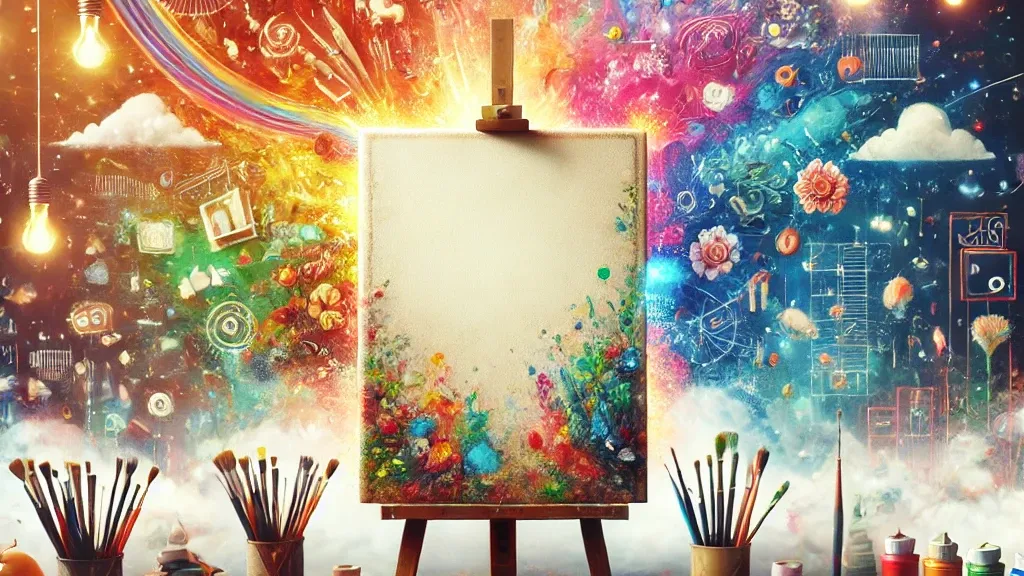
The world is constantly changing. Technology is transforming how people communicate, cities are growing, lifestyles are evolving, and different communities are becoming more connected than ever. In the middle of all these changes, arts and culture continue to play an important role in human life. They help people understand their roots, express their feelings, share stories, and connect with others who may have completely different experiences.
From traditional paintings and folk music to modern films, fashion, photography, dance, and digital creativity, arts and culture are part of everyday life. They are not limited to museums, theatres, or historical buildings. They can be found in the clothes people wear, the food they prepare, the festivals they celebrate, the music they enjoy, and the stories they pass from one generation to another.
Understanding why arts and culture matter in a changing world is important because they offer more than entertainment. They preserve history, encourage creativity, support communities, promote cultural understanding, and give people a way to express their identities.
As societies continue to develop, arts and culture provide a meaningful connection between the past, present, and future.
What Are Arts and Culture?

Arts and culture are closely connected, but they represent different aspects of human expression and society.
Arts refer to creative activities through which people communicate ideas, emotions, experiences, and imagination. These activities include painting, drawing, sculpture, music, dance, photography, theatre, literature, filmmaking, and digital design.
Culture refers to the shared traditions, beliefs, values, customs, languages, lifestyles, and practices of a community or society. It influences how people celebrate, communicate, prepare food, dress, create art, and understand the world around them.
For example, Indian classical dance, Japanese calligraphy, African storytelling traditions, Italian architecture, and Mexican folk art all represent different forms of cultural expression.
Arts often become a way through which culture is preserved and communicated. A traditional painting may tell the story of a community, while a folk song can carry memories and experiences from one generation to the next.
Together, arts and culture help create a sense of identity and belonging.
Why Arts and Culture Matter in Today’s Changing World
Arts and culture continue to have an important place in modern society, even as technology and lifestyles change. Their value can be understood through several key areas.
1. They Preserve History and Cultural Heritage
Every community has a history filled with traditions, experiences, achievements, and challenges. Arts and culture help preserve these stories so that future generations can understand where they come from.
Historical paintings, traditional music, monuments, sculptures, handicrafts, and folk performances provide valuable information about earlier societies.
For example, Indian cultural heritage includes traditional art forms such as Madhubani painting, Warli art, Pattachitra, and Tanjore painting. Each style has its own visual language, techniques, and cultural significance.
Similarly, traditional Japanese crafts, African textiles, European architecture, and Indigenous storytelling reflect the histories of different communities.
Preserving these traditions does not mean refusing modern development. Instead, it allows societies to move forward while maintaining a connection with their cultural roots.
2. Arts Encourage Creativity and Imagination
Creativity is not limited to professional artists. It is an important part of problem-solving, communication, education, and everyday life.
Arts give people opportunities to experiment with ideas and explore different ways of thinking.
Painting can encourage visual imagination, music can inspire emotional expression, writing can improve storytelling, and theatre can help people understand different perspectives.
Children can develop creativity through drawing, craft activities, music, and storytelling. Adults can also use creative activities to explore interests, express emotions, and develop new skills.
In a world where many tasks are becoming automated, creative thinking remains valuable. The ability to imagine new possibilities and communicate original ideas can support innovation across different industries.
3. They Bring People From Different Communities Together
Arts and culture create opportunities for people to connect beyond language, nationality, religion, and geographical boundaries.
A music performance, cultural festival, dance show, or art exhibition can bring together people who may have very different backgrounds.
For example, international cultural festivals allow visitors to experience traditional food, clothing, music, crafts, and performances from different parts of the world.
These shared experiences can encourage curiosity and mutual respect.
When people learn about cultures beyond their own, they often develop a better understanding of different lifestyles and perspectives. This can reduce misunderstandings and help create more welcoming communities.
4. Arts Provide a Powerful Way to Express Emotions
Art has always been a way for people to communicate feelings that may be difficult to explain through ordinary conversation.
A painting can express sadness, a song can communicate happiness, and a poem can describe personal experiences in a meaningful way.
Different creative activities allow people to express their thoughts without needing to follow a particular format.
For example:
- Music can communicate emotions through rhythm and melody.
- Painting can represent feelings through colour and imagery.
- Dance can express stories through movement.
- Literature can explore personal experiences through words.
- Photography can capture moments that hold emotional meaning.
Art also allows audiences to connect with experiences beyond their own. A film, novel, or photograph can help people understand another person’s struggles, hopes, and achievements.
5. They Support Education and Learning
Arts and culture make education more engaging by connecting information with creativity and real-world experiences.
Students can learn about history through historical paintings, understand geography through cultural traditions, and explore literature through storytelling and theatre.
Creative activities also encourage skills such as observation, communication, collaboration, and critical thinking.
For example, a school project about traditional architecture can help students understand historical construction methods, regional materials, climate, and cultural influences.
Museums, libraries, galleries, cultural centres, and online learning platforms provide additional opportunities to explore art and heritage.
When arts become part of education, learning can move beyond memorising information and encourage students to explore ideas independently.
How Technology Is Changing Arts and Culture

Technology has significantly changed how creative work is produced, shared, experienced, and preserved. Artists no longer depend entirely on traditional studios, galleries, or publishing methods to reach an audience.
Digital platforms have created new opportunities for creativity while introducing new questions about originality, ownership, and cultural preservation.
1. Digital Art and Creative Technology
Digital art has opened new possibilities for artists and designers. Using computers, tablets, and creative software, people can create illustrations, animations, graphic designs, and experimental visual projects.
Some modern creative formats include:
- Digital illustrations
- 3D modelling
- Digital photography
- Motion graphics
- Animation
- Interactive installations
- Generative art
These tools make creative production accessible to people who may not have access to traditional studios or expensive physical materials.
However, digital creativity does not replace traditional art. Instead, both approaches can exist together and influence one another.
2. Social Media and Online Art Communities
Social media has changed how artists connect with audiences. Creators can share paintings, music, photography, crafts, and performances with people across the world.
Online communities also make it easier for beginners to receive feedback, discover creative techniques, and learn from experienced artists.
However, online visibility does not always reflect artistic quality. Copyright protection, proper credit, and responsible content sharing remain important.
3. Virtual Museums and Digital Cultural Experiences
Digital technology allows people to explore cultural collections without physically visiting museums or historical locations.
Virtual exhibitions, online archives, digital photographs, and interactive tours make cultural material available to wider audiences.
These resources can be particularly useful for students, researchers, and people who cannot travel easily.
Digital preservation can also help protect historical records and artworks by creating accessible copies. However, digital collections require careful maintenance, accurate information, and respect for the communities connected to the material.
4. Artificial Intelligence and Modern Creativity
Artificial intelligence is becoming part of the creative industry. AI-powered tools can help users generate visual concepts, edit images, create music experiments, and explore different design ideas.
These tools may support creative workflows, but they also raise important questions.
For example:
- Who owns AI-generated creative work?
- How should artists receive credit?
- Can AI-generated content reproduce cultural stereotypes?
- How can traditional artists protect their original work?
- What role should human creativity play in automated production?
These discussions show why technology and cultural awareness need to develop together.
The Role of Arts and Culture in Local Communities
Arts and culture are not only important on a global level. They also influence neighbourhoods, towns, cities, and local economies.
Community art programmes, cultural events, traditional performances, and local craft markets can help bring people together.
1. Supporting Local Artists and Craft Communities
Traditional artists, musicians, performers, and craftspeople often depend on local audiences and cultural events to share their work.
Supporting these creators helps keep traditional skills alive and gives them opportunities to earn a living.
For example, purchasing handmade products from local artisans can support traditional techniques while encouraging younger generations to learn those skills.
2. Strengthening Community Identity
Local festivals, regional music, traditional clothing, and community celebrations create shared memories.
These activities help people understand what makes their communities distinctive.
They can also provide opportunities for younger generations to learn about local customs and participate in cultural activities.
3. Creating Opportunities for Cultural Tourism
Cultural tourism encourages visitors to explore a destination through its history, art, food, architecture, music, and traditions.
People may travel to visit historical monuments, attend traditional festivals, explore craft villages, or experience regional cuisine.
This can create opportunities for local guides, accommodation providers, restaurants, artists, and small businesses.
Responsible cultural tourism should respect local customs, protect heritage sites, and ensure that communities benefit from visitor activities.
Famous Examples of Arts and Culture Around the World
Different countries and communities have developed distinctive artistic traditions. Exploring them helps us understand how culture influences creativity.
India – Madhubani and Warli Art
These traditional art forms use distinctive patterns, symbols, and storytelling styles to represent cultural life, nature, and community traditions.
Japan – Calligraphy and Traditional Arts
Japanese calligraphy, ceramics, origami, and traditional theatre reflect artistic discipline, cultural values, and historical influences.
Africa – Textiles and Storytelling
Across the continent, diverse textile traditions, sculpture, music, and oral storytelling communicate history and community identity.
Mexico – Folk Art and Celebrations
Folk art, colourful crafts, music, and Día de los Muertos traditions reflect cultural memory and community connections.
Italy – Renaissance Art and Architecture
Renaissance painting, sculpture, and architecture have had a lasting influence on artistic traditions around the world.
These examples represent only a small part of the world’s cultural diversity. Every region has its own artistic practices, and many traditions continue to evolve through contemporary creativity.
Arts and Culture as a Part of Everyday Life
People sometimes think arts and culture are limited to professional artists or major cultural institutions. In reality, they are present in ordinary activities.
Consider how culture appears in daily life:
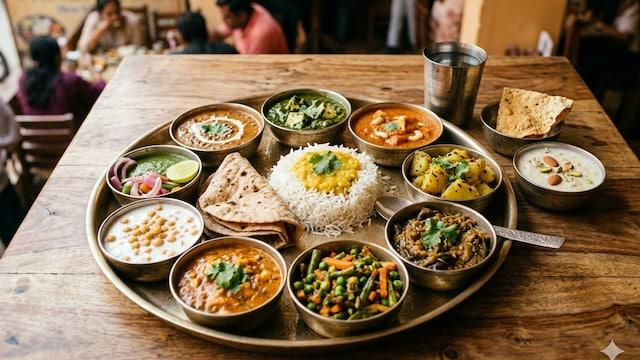
- Food: Traditional recipes reflect regional ingredients, history, and family practices.
- Clothing: Fashion can represent identity, climate, tradition, and personal expression.
- Music: Songs and instruments often carry cultural stories and memories.
- Architecture: Buildings reflect historical influences and local ways of living.
- Festivals: Celebrations bring communities together through shared customs.
- Language: Stories, poetry, and expressions preserve cultural knowledge.
Even simple activities such as preparing a family recipe, listening to regional music, or celebrating a local festival can help preserve cultural traditions.
Challenges Facing Arts and Culture Today

Although arts and culture remain important, many creative communities face challenges as societies change.
1. Loss of Traditional Skills
Some traditional crafts and artistic techniques are becoming less common because younger generations may have fewer opportunities to learn them.
Supporting local artisans, documenting techniques, and introducing traditional arts through education can help preserve this knowledge.
2. Commercialisation of Culture
Cultural traditions can sometimes be presented mainly as products for entertainment or tourism. When this happens, their original meaning may be overlooked.
Respectful representation and community participation are important when sharing cultural practices with wider audiences.
3. Limited Support for Artists
Many independent artists and performers face challenges related to funding, income stability, access to professional spaces, and audience reach.
Community programmes, cultural grants, exhibitions, and fair payment opportunities can help support creative professionals.
4. Digital Copyright and Ownership
Online sharing makes creative work easier to distribute, but it can also lead to unauthorised copying and misuse.
Artists need appropriate recognition and protection for their original work. Audiences should also understand that finding an image, song, or artwork online does not automatically mean it is free to reuse.
5. Cultural Misunderstanding
When people encounter unfamiliar traditions without proper context, stereotypes and misunderstandings can develop.
Education, respectful discussion, and direct engagement with cultural communities can encourage better understanding.
How to Support Arts and Culture in Everyday Life
You do not need to be an artist or cultural expert to support creative communities. Small actions can help preserve traditions and encourage new forms of expression.
Here are some practical ways to get involved:
- Visit local museums and galleries: Explore exhibitions and learn about regional history.
- Attend cultural events: Participate in music performances, dance shows, festivals, and community celebrations.
- Support local artists: Purchase original artwork and handmade products when possible.
- Learn traditional skills: Try pottery, painting, weaving, music, or regional cooking.
- Explore different cultures: Read books, watch documentaries, and learn about traditions beyond your own.
- Encourage creative education: Support art, music, theatre, and storytelling programmes in schools.
- Share responsibly online: Credit creators and respect copyright when posting artwork or cultural material.
- Preserve family traditions: Record recipes, stories, photographs, and memories that may otherwise be lost.
These activities help keep creativity and cultural knowledge active in everyday life.
Final Thoughts
Arts and culture matter because they give meaning to human experiences. They preserve history, encourage creativity, bring communities together, and help people understand different ways of life. In a world shaped by rapid technological development and social change, they provide a connection to our roots while allowing new ideas and creative expressions to grow.
From traditional paintings and regional music to digital art, films, fashion, and virtual exhibitions, every form of artistic expression contributes to the wider cultural landscape.
Preserving culture does not mean resisting change. It means respecting the knowledge and traditions of the past while making room for new voices, ideas, and creative possibilities.
Ultimately, arts and culture are not just things people observe. They are part of how people live, communicate, remember, and connect. Supporting them helps create a more creative, understanding, and culturally rich world.

Leave a Reply