
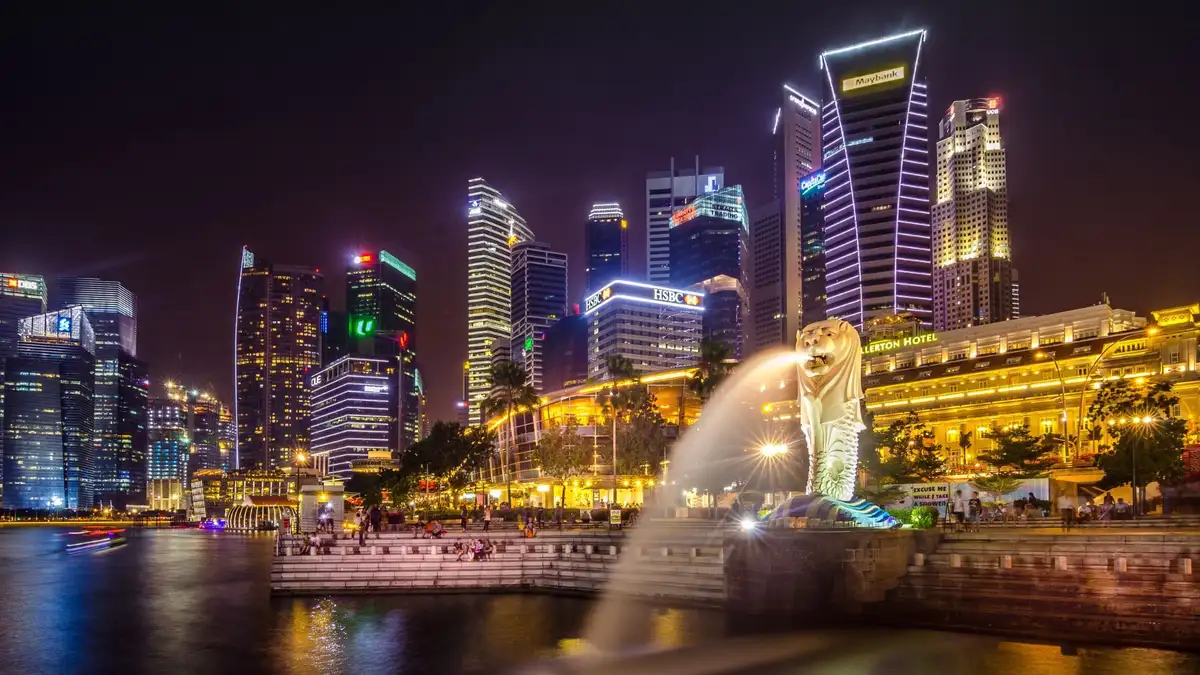
On paper, Singapore shouldn’t make sense. It is a tiny, hyper-dense diamond of an island dropped right on the equator—a place where you can stand in a pristine, untouched prehistoric rainforest and, within a twenty-minute subway ride, find yourself sipping a cocktail on the roof of a futuristic mega-structure that looks like a spaceship balanced on three pillars.
The travel brochures love to call it a “playground for the ultra-wealthy,” painting pictures of sterile perfection, strict laws, and flashing neon lights. But that is a surface-level caricature. If you look past the pristine glass facades, you find a city with a deeply complicated, fiercely proud, and incredibly vibrant soul. It is a living, breathing cultural crossroads where ancient Chinese tea rituals happen doors down from Malay creative studios, and where the air smells perpetually of roasting cumin, lemongrass, and rich espresso.
The Waterfront Marvels: Marina Bay & Gardens by the Bay

Most journeys begin at Marina Bay, and for good reason. Standing along the waterfront promenade at dusk is an almost theatrical experience. As the intense equatorial sun dips below the horizon, the corporate skyline doesn’t just go dark; it erupts into a massive, shimmering galaxy of artificial light.
Just behind the towering Marina Bay Sands hotel lies Gardens by the Bay. If you visit during the heat of the afternoon, escape into the climate-controlled Cloud Forest glass dome. The moment you walk through the airlock doors, a massive, mountain-high indoor waterfall blasts a freezing, mist-laden wind directly into your face, a blissful relief from the outdoor swelter.
But the true magic happens at 7:45 PM beneath the Supertrees. These massive, concrete-and-steel vertical gardens, wrapped in thousands of species of real orchids and ferns, tower over you like ancient mechanical entities. Lay flat on your back on the cool granite pavement while the Garden Rhapsody light show plays. Looking up as the giant iron branches glow in sync with orchestral music is one of those rare, genuinely breathtaking moments where you feel like you’ve stepped directly into a sci-fi masterpiece.
The Neighborhood Cross-Section: A Tale of Three Enclaves
To understand Singapore, you have to leave the glass financial district behind and dive headfirst into the historic neighborhoods. Because of the city’s colonial past, different ethnic communities built distinct, vibrant worlds just blocks apart from one another.

1. Chinatown
Chinatown is a beautiful contradiction. On one street corner, elderly men sit at wooden tables on the sidewalk, intensely slamming plastic tiles down in games of mahjong beneath strings of faded red lanterns. On the next corner, a sleek, minimalist speakeasy bar hides behind an unmarked door of a beautifully restored 19th-century shophouse.
2. Little India
The moment your feet hit the pavement in Little India, your senses are completely hijacked. The air is thick with the scent of crushed cardamom, roasting chilis, and fresh jasmine garlands being woven by vendors on the street. The buildings here reject the city’s love for neutral gray; they are painted in wild, unapologetic explosions of electric pink, canary yellow, and deep turquoise.
3. Kampong Glam
Historically the seat of the Malay royalty, Kampong Glam has morphed into the creative, bohemian heartbeat of the city. Walk down Haji Lane—a alleyway so narrow you can almost touch the buildings on both sides. Every inch of brick is covered in massive, vibrant murals, and the storefronts are packed with independent clothing designers, vintage record shops, and tiny cafes blasting indie music.
The True Religion of Singapore: The Hawker Center

If you want to understand what binds the people of this island together, you don’t look at their politics or their economy; you look at their plates. Eating is the national sport, the ultimate unifying force across every culture, age group, and social class.
Forget about reservations at white-tablecloth, Michelin-starred restaurants. The culinary crown of Singapore belongs exclusively to the Hawker Centers—massive, open-air food complexes packed with dozens of independent stalls, many of which have been perfecting one single dish for three generations.
| The Essential Dish | What It Is | The Sensory Experience |
| Hainan Chicken Rice | Poached chicken served over rice cooked in rich chicken broth, garlic, and ginger. | Sounds incredibly simple, but when done right, the rice is so intensely flavorful and fragrant it can bring a tear to your eye. |
| Char Kway Teow | Flat rice noodles stir-fried over a massive flame with cockles, Chinese sausage, and dark soy sauce. | It tastes entirely of wok hei—the literal “breath of the wok”—a smoky, charred flavor that can only be achieved through immense heat and years of practice. |
| Laksa | Thick rice noodles swimming in a rich, fiery coconut curry broth loaded with dried shrimp and lemongrass. | A spicy, creamy, unmitigated sensory overload that will leave you sweating through your shirt in the best way possible. |
The Green Sanctuary: A City in Nature

It is easy to get overwhelmed by the sheer pace of Singapore. The crowd moves fast, the trains are perfectly efficient, and the city hums with a relentless corporate energy. When the sensory overload hits, you need to find the exit valves.
Tucked away on the edge of the shopping district is the Singapore Botanic Gardens, a stunning UNESCO World Heritage site that dates back to 1859. If you wake up early—around 6:30 AM—and walk through the gates, you will see a completely different side of local life. The air is cool, a low mist hangs over the swan lakes, and groups of elderly residents move through the morning air in slow, synchronized, graceful Tai Chi routines.
If you want something a bit more wild, head north to the MacRitchie Reservoir. Here, the concrete disappears entirely, replaced by a dense, muddy jungle trail. As you walk along the wooden suspension bridge high up in the tree canopy, you’ll find yourself locking eyes with wild long-tailed macaque monkeys swinging through the branches. Just keep your backpack zipped tight—they know exactly what a plastic snack wrapper sounds like.
Real Travel Advice for the Lion City

- Embrace the MRT: Do not waste your money on taxis. Singapore’s underground train system (the MRT) is a masterclass in urban design. It is cheap, spotlessly clean, freezing cold (a godsend), and can get you within walking distance of almost every single attraction on the island. You don’t even need a special transit card—just tap your contactless credit card or phone at the turnstile.
- The Weather Strategy: Do not try to fight the weather. It will be hot, and it will rain violently for thirty minutes out of nowhere in the afternoon. Pack lightweight, breathable linens, wear comfortable walking shoes, and always keep a small umbrella in your bag. Plan your outdoor walking for the early mornings and late evenings, and use the air-conditioned malls and museums to survive the midday furnace.
- Respect the Rules (But Don’t Be Terrified): Yes, the rumors are true—chewing gum is banned from being sold, littering carries heavy fines, and jaywalking is strictly frowned upon. But you don’t need to walk around in fear of a random arrest. The rules exist simply to keep a highly populated island functional, safe, and liveable. Be clean, be respectful, and you will find it to be one of the safest, most welcoming places you will ever visit.
FAQ’S
1. What is the best place to visit in Singapore?
Marina Bay, Gardens by the Bay, and Sentosa Island are among the top attractions.
2. How many days are enough to explore Singapore?
A 4–5 day trip is ideal for visiting the city’s major attractions.
3. Is Singapore a good destination for families?
Yes, Singapore offers many family-friendly attractions, parks, and entertainment options.
4. What is the best time to visit Singapore?
The best time to visit is from February to April when the weather is generally pleasant.
5. Is Singapore expensive for tourists?
Singapore can be costly, but budget-friendly accommodations, public transport, and hawker centers help reduce travel expenses.




Leave a Reply