
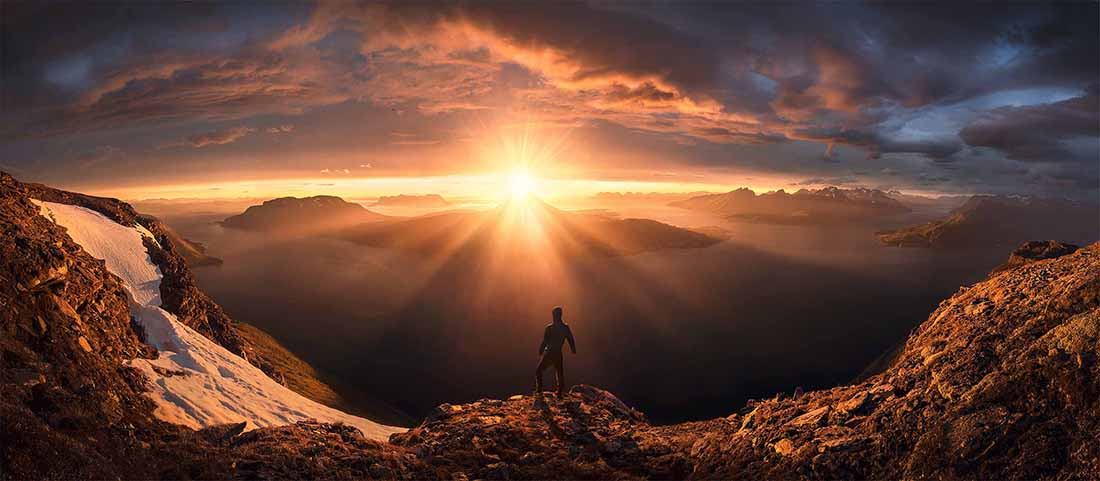
Photography is more than simply taking pictures. It is a creative way to tell stories, preserve memories, express emotions, and capture the beauty of the world around us. Thanks to advances in camera technology and smartphones, photography has become more accessible than ever. Whether you want to pursue photography as a hobby, build a professional career, or create engaging content for social media, learning the basics is the first step toward taking stunning photos.
Many beginners believe that owning an expensive camera automatically leads to better pictures. In reality, understanding lighting, composition, camera settings, and creative techniques has a much greater impact on image quality than the equipment itself. With consistent practice and the right knowledge, anyone can improve their photography skills.
This beginner’s guide covers the essential concepts, equipment, techniques, and tips you need to become a more confident photographer in 2026.
Why Learn Photography?

Photography allows you to capture meaningful moments that can be cherished for years. It also encourages creativity, observation, and storytelling. For businesses and content creators, high-quality photography helps build brand identity, attract audiences, and increase engagement.
Photography can also open career opportunities in fields such as portrait photography, wedding photography, wildlife photography, fashion photography, travel photography, commercial photography, and photojournalism.
Whether your goal is personal enjoyment or professional success, learning photography is a valuable skill that continues to grow in demand.
Choose the Right Camera
One of the first decisions every beginner faces is selecting a camera. Fortunately, you do not need the most expensive equipment to start learning photography.
Smartphones now include advanced camera systems capable of producing impressive images. Compact cameras are ideal for casual photography, while DSLR and mirrorless cameras provide greater creative control through interchangeable lenses and manual settings.
Choose equipment that fits your budget, learning goals, and shooting style rather than focusing only on technical specifications.
Understand Exposure
Exposure determines how bright or dark a photograph appears. It is controlled by three important camera settings: aperture, shutter speed, and ISO. Together, these settings are known as the exposure triangle.
Aperture controls how much light enters the camera while also affecting background blur. Shutter speed determines how long the camera sensor is exposed to light and influences motion blur. ISO adjusts the camera’s sensitivity to light.
Learning how these settings work together allows photographers to capture properly exposed images in different lighting conditions.
Learn Composition Techniques

Composition refers to how elements are arranged within a photograph. Good composition helps direct the viewer’s attention and creates visually appealing images.
The rule of thirds is one of the easiest composition techniques for beginners. Imagine dividing your frame into nine equal sections using two horizontal and two vertical lines. Placing your subject near these lines often creates a more balanced photograph.
Other useful composition techniques include leading lines, symmetry, framing, negative space, and foreground interest. Experimenting with different perspectives can make ordinary scenes look far more interesting.
| Photography Skill | Why It Matters |
|---|---|
| Camera Basics | Builds a strong foundation |
| Exposure Settings | Controls image brightness |
| Composition | Creates visually appealing photos |
| Lighting | Improves image quality |
| Focus Techniques | Produces sharp images |
| Editing | Enhances final results |
| Practice | Develops confidence and creativity |
| Equipment Care | Extends camera life |
Master Natural Lighting
Lighting is one of the most important aspects of photography. Even the best camera cannot produce outstanding results in poor lighting.
Natural light often provides the most beautiful results, especially during the golden hour shortly after sunrise or before sunset. Soft lighting creates pleasing skin tones, rich colors, and gentle shadows.
Avoid harsh midday sunlight whenever possible, as it can create strong shadows and overexposed highlights. On cloudy days, diffused sunlight often produces balanced lighting that is ideal for portraits and outdoor photography.
Focus on Sharp Images
Sharp focus is essential for creating professional-looking photographs. Most modern cameras offer autofocus modes that make focusing easier, but understanding when to use manual focus can also be beneficial.
Keep your camera steady while shooting, especially in low-light situations. Using a tripod helps eliminate camera shake and produces sharper images during long exposures.
Always focus on the most important part of your subject, such as the eyes in portrait photography.
Experiment with Different Photography Styles

Photography offers many creative opportunities. Landscape photography captures natural scenery, while portrait photography focuses on people and emotions. Street photography documents everyday life, and wildlife photography captures animals in their natural environments.
Macro photography reveals tiny details of small subjects, while architectural photography highlights buildings and structures. Travel photography combines landscapes, culture, food, and people to tell compelling stories.
Trying different photography styles helps beginners discover what they enjoy most.
Learn Basic Photo Editing
Editing is an important part of modern photography. Small adjustments can significantly improve the appearance of an image without making it look artificial.
Editing software allows photographers to correct exposure, adjust colors, improve contrast, sharpen details, reduce noise, and crop compositions.
The goal of editing should be to enhance the photograph while maintaining a natural appearance. Over-editing often reduces image quality and realism.
Practice Regularly
Photography is a practical skill that improves with consistent practice. Carry your camera or smartphone whenever possible and photograph different subjects, lighting conditions, and environments.
Review your images regularly to identify strengths and areas for improvement. Comparing older photographs with newer ones helps measure progress over time.
Learning from mistakes is one of the fastest ways to improve your photography skills.
Organize and Protect Your Photos
As your photo collection grows, organization becomes increasingly important. Create folders based on dates, locations, or projects to make images easier to find.
Back up your photographs using external hard drives or cloud storage services to protect them from accidental loss.
Developing good file management habits ensures your work remains safe and accessible.
Common Photography Mistakes Beginners Should Avoid

Many beginners rely entirely on automatic camera settings without learning basic photography principles. Others ignore composition, shoot in poor lighting, or forget to clean their camera lens.
Another common mistake is taking only one photo of a scene. Capturing multiple images from different angles and settings increases the chances of achieving the perfect shot.
Patience is equally important. Great photographs often require careful planning and multiple attempts.
Photography Trends in 2026
Photography continues to evolve with advancements in artificial intelligence, computational photography, mirrorless camera technology, and smartphone imaging systems.
AI-powered editing tools simplify post-processing while preserving natural image quality. Drones continue to make aerial photography more accessible, and high-resolution smartphone cameras allow beginners to capture impressive results without professional equipment.
Content creation for social media, travel blogs, and digital marketing is also increasing the demand for quality photography skills.
Frequently Asked Questions
1. What camera is best for beginners in photography?
A smartphone, entry-level DSLR, or mirrorless camera is an excellent choice for beginners. The best option depends on your budget, photography goals, and desired features.
2. What are the three basic camera settings every beginner should learn?
The three essential settings are aperture, shutter speed, and ISO, which together control exposure and image quality.
3. How can I improve my photography skills quickly?
Practice regularly, learn composition techniques, understand lighting, study your camera settings, review your photos, and experiment with different photography styles.
4. Is photo editing necessary for beginners?
Yes. Basic editing can improve exposure, color balance, contrast, and sharpness while helping your photos look more polished without appearing unnatural.

Leave a Reply