
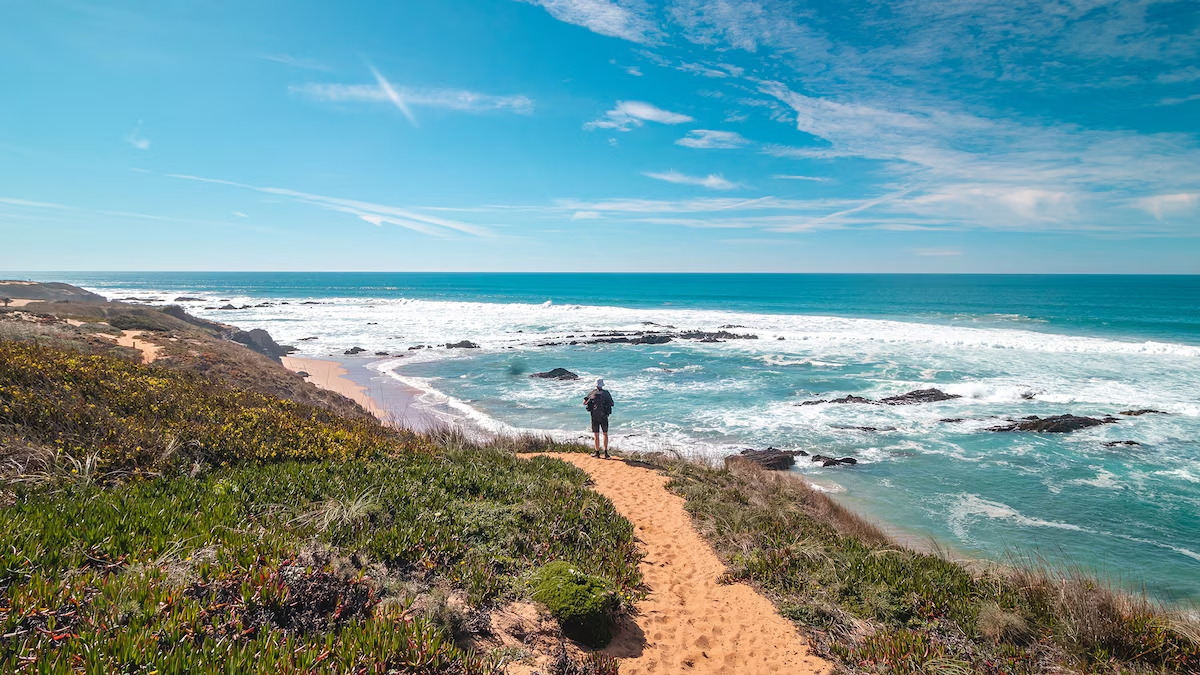
Let’s be completely honest: most of us spend our Friday Weekend afternoons staring blankly at a laptop screen, mentally exhausted, counting down the minutes until 5 PM.
By the time the weekend rolls around, our default setting is usually running delayed chores, doomscrolling on the couch, ordering greasy takeout, and wondering where Saturday and Sunday actually went. Then Monday morning arrives, and you feel just as drained as you did when you logged off on Friday.
You do not need two weeks of paid time off, a massive bank balance, or a complex flight itinerary to feel like you’ve actually taken a real break. A quick, 48-hour weekend getaway is often all it takes to break the routine, clear your mind, eat some incredible local food, and come back feeling like an actual human being again.
Real-Life Faceoff: The Ordinary Weekend vs. The 48-Hour Escape
| Weekend Aspect | The “Stay-at-Home” Trap | The 48-Hour Escape | Why Your Brain Will Thank You |
|---|---|---|---|
| Friday Evening | Bingeing three hours of TV while waiting on takeout. | Packing a light bag, throwing a playlist on, and heading out early. | Sets an instant boundary between your workweek and your personal life. |
| Saturday Morning | Sleeping in until 11 AM feeling groggy, then tackling laundry. | Waking up to fresh mountain air, ocean breeze, or local coffee. | Gives you a dopamine reset and makes the weekend feel twice as long. |
| Activities | Staring at social media feeds, feeling envious of other people’s lives. | Trying a new trail, exploring a coastal town, or hitting a local market. | Engages your senses in real life instead of consuming digital pixels. |
| Sunday Afternoon | Dreading Monday morning starting at 3 PM (the “Sunday Scaries”). | Enjoying a relaxed local lunch before an easy, stress-free drive home. | Replaces anxiety with genuine memories and a sense of accomplishment. |
The Psychology of Short-Term Escapes

Why does a two-day trip sometimes feel just as refreshing as a week-long vacation? It comes down to how our brains process time and novelty.
When you stay in your daily environment, your brain operates on autopilot. You drive the same roads, walk down the same grocery aisles, and sit on the same sofa. Time flies by because your memory isn’t registering anything new or distinct.
When you step into a new environment—even if it’s just a small town an hour down the highway—your brain wakes up. Every new smell, sight, and sound forces you into the present moment. That sensory engagement slows down your perception of time, making 48 hours feel like a meaningful chunk of life rather than a blur.
8 Unbeatable Weekend Trip Styles (And How to Do Them Right)

- 1. The Mountain Escape: Hitting the Reset Button
If your week consists of sitting under fluorescent lights and staring at spreadsheets, heading toward the hills is the ultimate cure. You don’t need to sign up for a grueling high-altitude trek that leaves your legs broken for a week. The goal here is simple: cooler temperatures, green landscapes, and a complete break from noise pollution.- What to do: Rent a small cabin or guesthouse, find an easy 2-hour nature trail, grab a warm drink at a local café, and just watch the fog roll over the valley.
- Pro Tip: Keep your morning open for a sunrise walk. Nature hits differently at 6:30 AM when nobody else is around, and a cool morning breeze beats any alarm clock.
- 2. The Coastal Reset: Salt Air and Zero Schedules
There is something inherently therapeutic about ocean water. The moment you step onto a beach, your brain naturally slows down its rhythm. Arrive, unpack, and head straight for the water. Spend your afternoon walking along the shoreline, picking up seafood at a beachside shack, or renting a kayak for an hour. Watch the sunset without checking your phone notifications every two minutes.- Real Talk: Doing absolutely nothing on a beach towel for three straight hours is not “wasting time”—it’s essential maintenance for your mental health.
- 3. The Unplanned Road Trip: Focusing on the Journey
Sometimes, picking a specific tourist destination misses the point entirely. The real adventure lives in the drive itself. Pick a scenic route within a 2- to 3-hour radius of your home, load up a great podcast or a curated playlist, grab a couple of cold drinks, and hit the highway early on a Saturday morning. Leave room to pull over for a roadside fruit stand, an unexpected viewpoint, or an old diner with zero online reviews. Those unplanned 20-minute diversions are usually the best part of the trip. - 4. The City Break: Food, Culture, and Street Life
If you thrive on energy rather than quiet forests, a nearby city break is an incredible way to spend 48 hours. Instead of trying to visit every major museum or tourist trap like a checklist, pick one specific theme for your weekend:- The Foodie Route: Spend Saturday bouncing from a famous local breakfast spot to a street food market, then grab dinner at a neighborhood joint locals actually recommend.
- The Neighborhood Wanderer: Pick two vibrant, walkable districts. Spend your morning checking out local bookshops, thrift stores, and independent coffee roasters.
- 5. Simple Camping: Stars over Screens
If you want to completely disconnect from notifications, emails, and group chats, spend a night under canvas. If you are new to camping, don’t overcomplicate it. Book a site at an established campground that has basic amenities like clean toilets and fresh water. Pack a basic tent, comfortable sleeping pads, a cooler with fresh food, and firewood. Spend your evening sitting around a fire, roasting food over open coals, and looking up at actual stars instead of a TV screen. - 6. The Forest Getaway: Deep Sensory Grounding
Forest bathing—or simply spending quiet time surrounded by trees—has been scientifically proven to lower stress levels and reduce blood pressure. Look for regional state parks, nature reserves, or woodland cabins within driving distance. Spend your time taking slow, unhurried walks through trail loops, listening to bird calls, taking photos of wild plants, or reading a physical book under a canopy of leaves. - 7. The Heritage & Historic Town Tour
Sometimes the best escape involves stepping back in time. Regional historic towns, old mining hubs, or heritage villages often feature incredible architecture, antique shops, and rich local folklore. Take a self-guided walking tour through the old quarter, visit small local historical museums run by passionate community members, and stay in a converted historic bed-and-breakfast. You’ll leave with a much deeper appreciation for the regional culture just beyond your city limits. - 8. The Wellness & Spa Retreat
If your physical body is carrying the tension of a tough month, dedicate your 48 hours entirely to recovery. Book a quiet stay focused on hot springs, thermal baths, yoga sessions, or professional massage therapy. Combine these activities with clean, locally sourced meals, plenty of hydration, and early bedtimes. You’ll walk back into the office on Monday morning with zero brain fog and fully restored energy levels.
The 48-Hour Master Itinerary Flow

- Friday Evening (Departure & Transition): Pack your bag on Thursday night so you aren’t rushing. Finish work early on Friday, grab dinner on the road, and check into your stay by 8:00 PM. Unpack, turn off your work notifications, and get a good night’s sleep.
- Saturday Morning (The Big Experience): Wake up early and hit your primary activity—whether that’s a hike, a surf lesson, or a food market—before the mid-day crowds arrive and while your energy levels are highest.
- Saturday Afternoon & Evening (Wandering & Unwinding): Grab a long, unhurried lunch at a local spot. Spend the afternoon casually exploring the area without a rigid schedule. End the night with a great dinner and a relaxed stroll.
- Sunday (Slow Morning & Return): Enjoy a late breakfast, take one last short walk or visit a local artisan shop, and head back home by early afternoon so you have time to unpack and relax before Monday.
5 Practical Rules for Packing Light

Packing too much stuff turns a simple weekend into an annoying logistical chore. If you’re hauling two massive suitcases for a two-day stay, you’re doing it wrong. Follow these simple rules to keep your load light:
- The 3-Top, 2-Bottom Rule: You only need two pairs of pants or shorts (wear one, pack one) and three tops max. Stick to versatile colors that match everything.
- Wear Your Bulkiest Shoes: Wear your hiking boots or heavy sneakers on the drive. Pack only one lightweight extra pair (like sandals or casual slip-ons).
- Decant Your Toiletries: Don’t bring full-sized shampoo bottles or skincare tubs. Use small 30ml travel bottles for your essential liquids.
- Roll, Don’t Fold: Rolling your clothes saves space and prevents severe creasing in small duffel bags.
- Keep Electronics Minimal: A phone, a charger, a power bank, and maybe an e-reader or book. Leave laptops, tablets, and work gear firmly at home.
How to Keep Weekend Trips Affordable

You don’t need a massive budget to have a memorable short adventure. Apply these practical tips to stretch your money further:
- Keep Travel Time Under 3 Hours: Long travel times burn expensive fuel and steal precious hours from your short break. Keep your destination within a 150-mile radius.
- Split Costs with Friends: Renting a two-bedroom cottage or sharing gas expenses with three friends cuts your overall trip costs in half instantly.
- Eat Like a Local: Skip the overpriced restaurants located right in front of major tourist attractions. Walk two blocks away and eat where the locals line up.
- Pack Your Own Snacks & Drinks: Buying water bottles, coffee, and snacks at highway gas stations adds up shockingly fast. Pack a small cooler from home.
- Diwali: An Idyllic Celebration of Light, Devotion, and Renewal in India
- Hanuman Ansh Review 2026: Story, Cast, Songs & What Audiences Think
- Content Strategy Guide 2026: Human Stories, Research & Deep Analysis
- Ganesh Chaturthi 2026: Traditions, Celebrations, Food & Decor Ideas
- Slovenia Adventure Travel Best Destinations for Outdoor Adventures
FAQs
Is a two-day trip really worth the effort of packing and driving?
A change of scenery resets your mental state far better than two days spent on the couch. As long as you keep your travel time under three hours each way, the effort-to-reward ratio is massively in your favor.
How do I avoid feeling rushed during a short weekend trip?
Pick one main activity per day and leave the rest of your time completely open. Trying to visit five different tourist spots in a single day turns your weekend into an exhausting chore.
What is the most important thing to pack for a short trip?
A comfortable pair of broken-in walking shoes and a portable power bank. If your feet hurt or your phone dies while using maps, your short adventure instantly becomes stressful.
How do I keep work stress from ruining my weekend away?
Set a strict “Out of Office” auto-responder on Friday afternoon, turn off work chat notifications on your phone, and make a conscious rule not to check your work inbox until Monday morning.




Leave a Reply