
Slovenia is roughly the size of New Jersey or Wales, but when it comes to outdoor Adventure , it punches far above its weight. Within a single afternoon, you can drive from the jagged limestone spires of the Julian Alps, pass through emerald river valleys and ancient beech forests, descend into massive subterranean caverns, and end your day eating fresh seafood along a sliver of Mediterranean coastline.
What makes traveling through Slovenia so effortless is this extraordinary geographic density. You don’t spend hours stuck in transit or burning through days just to move between different terrains. Instead, you can pack white-water rafting, mountain trekking, cave exploration, and vineyard cycling into the same week without feeling rushed. It balances wild, pristine nature with easy accessibility, making it an ideal destination whether you want high-adrenaline thrill-seeking or quiet, scenic days spent in the fresh air.
Why Choose Slovenia for Adventure Travel?

The real magic of Slovenia lies in how four major European geographic regions converge within its borders: the Alps, the Karst plateau, the Pannonian Plain, and the Mediterranean coast. This creates a constantly shifting landscape over remarkably short distances.
Equally appealing is the country’s philosophy toward sustainable tourism. Environmental preservation is deeply rooted here—over 60% of the land is covered in forest, tap water everywhere is pure and drinkable, and outdoor trails are meticulously maintained by local alpine clubs. You can spend a demanding six hours scrambling up a mountain pass and then walk straight into a cozy, family-run gostilna (traditional tavern) to refuel on hearty local stews, homemade cheeses, and craft beers. It offers genuine wilderness without forcing you to compromise on comfort, safety, or great food.
Unmissable Adventure Hubs in Slovenia
Lake Bled: Iconic Landscapes with Easy Trail Access
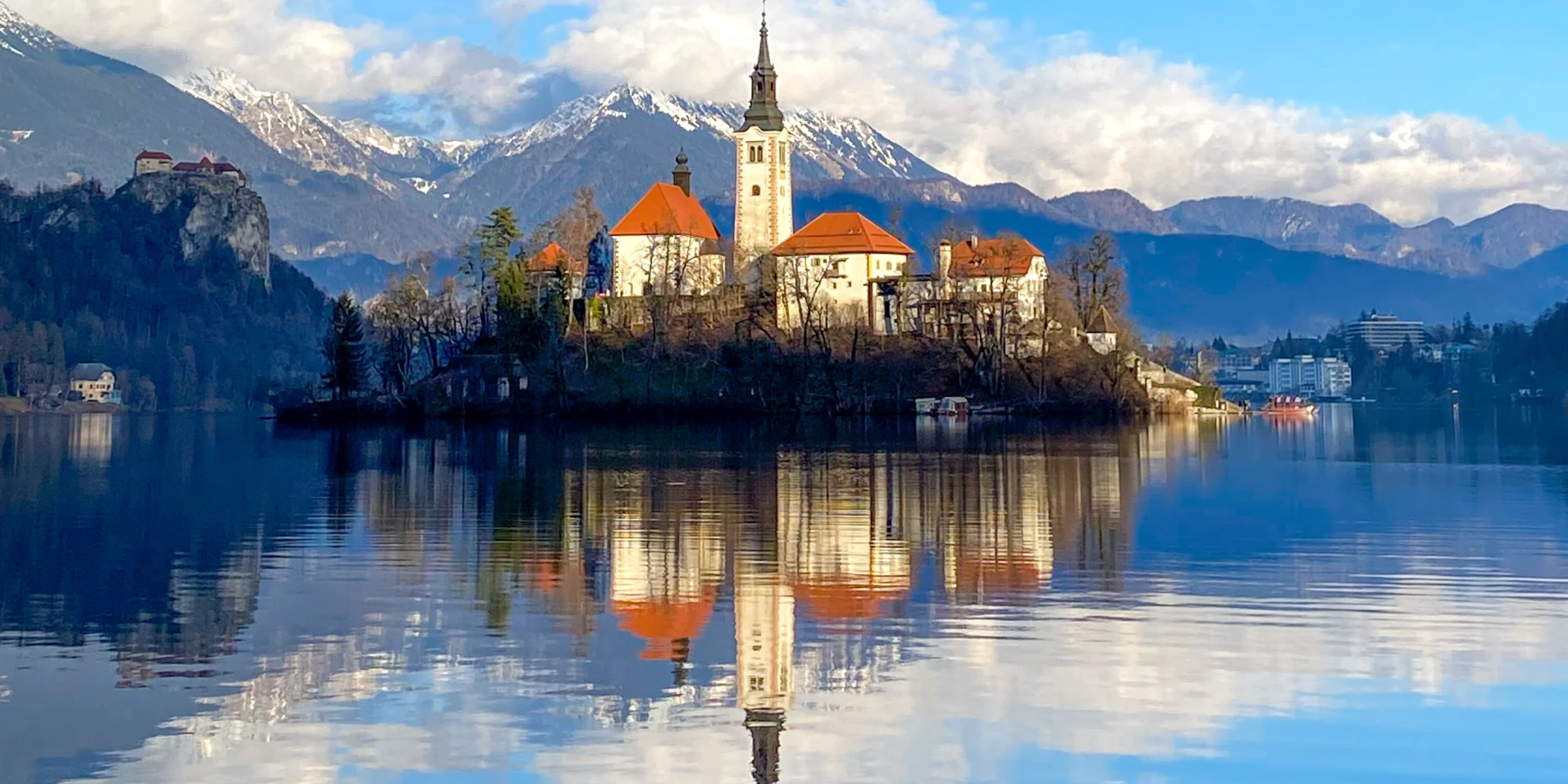
Lake Bled looks like something straight out of a classic folk tale, complete with a tiny island floating in the middle of a glacial lake, a cliffside medieval castle, and the snowy peaks of the Karawanks framing the background.

While it draws plenty of sightseers, Bled is also a fantastic launching pad for active travel:
- The Viewpoint Hikes: For the best perspectives of the lake, skip the crowded boardwalks and head up the short, steep dirt trails to Malabo Osojnica or Ojstrica. The climbs take 20 to 30 minutes and reward you with panoramic views over the water.
- Vintgar Gorge: Just a few miles north, wooden walkways cling to vertical rock faces along the Radovna River, taking you past rushing rapids and finishing at the 13-meter-high Šum Waterfall.
- Lakeside Cycling: Quiet asphalt and gravel backroads loop around the lake and extend into the serene farming hamlets of Selo and Ribno.
Bovec: Slovenia’s Capital of High Adrenaline
If your ideal trip involves harnesses, helmets, and swift currents, Bovec is where you want to set up base camp. Tucked away in the upper Soča Valley, this high-mountain town lives and breathes outdoor sports.
[ BOVEC ADVENTURE BASE ] │ ├──► White-Water Rafting (Class II - IV rapids on the Soča) ├──► Canyoning (Sliding & rappelling in Sušec or Fratarica Gorges) ├──► High-Wire Ziplining (Soaring across deep alpine canyon gaps) └──► Skydiving & Paragliding (Launching from Kanin mountain slopes)
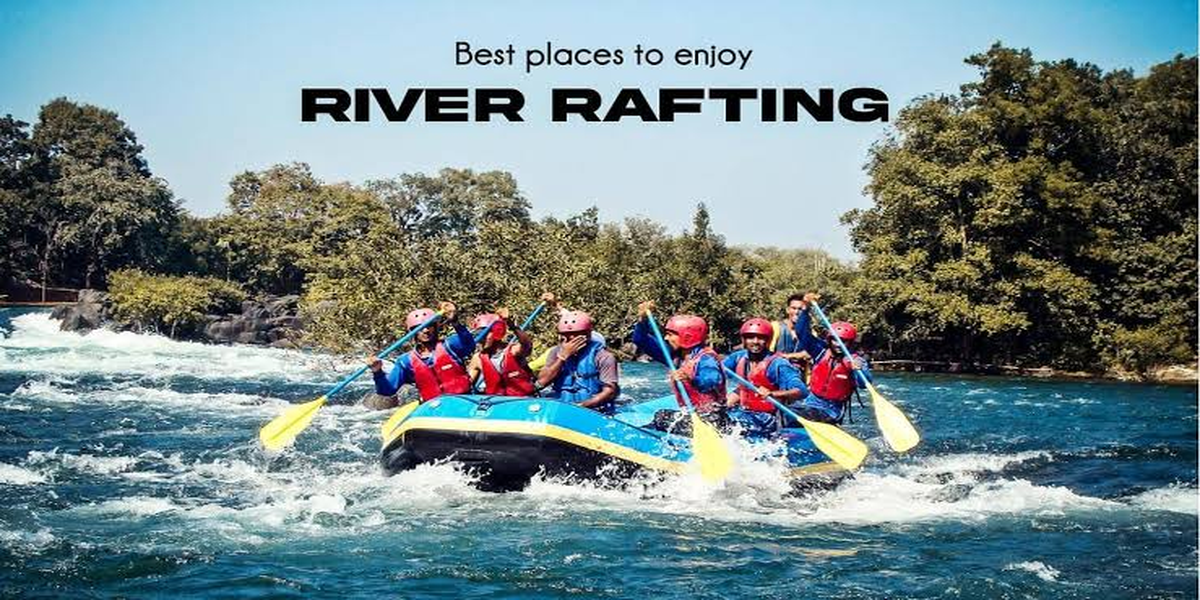
The centerpiece of Bovec is the shocking, neon-turquoise Soča River. Local outfitters offer guided white-water rafting runs for all experience levels. If you want something even more immersive, book a canyoning trip to Sušec or Fratarica, where you’ll wear a thick neoprene wetsuit to leap into crystal pools, slide down natural stone chutes, and rappel down roaring waterfalls.
Soča Valley: Alpine Scenery and WWII History

Extending beyond Bovec, the wider Soča Valley weaves through a landscape that is as historically significant as it is visually stunning. During World War I, this peaceful river valley was the site of the brutal Isonzo Front.
Today, the Walk of Peace trail connects restored trenches, outdoor military museums, and cavernous rock bunkers across the mountains, blending outdoor exercise with history. Key highlights include
- Kozjak Waterfall: A hidden gem near Kobarid where a veil of water falls into an emerald cavern pool.
- Tolmin Gorges: The lowest entrance to Triglav National Park, featuring thermal springs, a natural rock bridge, and a footbridge suspended high above a narrow limestone canyon.
Triglav National Park: The Rugged Alpine Heart
Encompassing almost the entire Slovenian section of the Julian Alps, Triglav National Park is a protected area anchored by Mount Triglav (2,864 m / 9,396 ft). Climbing to Triglav’s three-headed summit is a national rite of passage, though it requires good physical conditioning and navigating exposed via ferrata (assisted climbing routes with steel cables).
For non-climbers, the park offers endless day hikes and multi-day treks:
- Seven Lakes Valley (Sedmera Jezera): A classic full-day trail that climbs through high-altitude karst terrain, passing a chain of distinct glacial lakes.
- Peričnik Waterfall: A massive cascade in the Vrata Valley where a narrow, wet footpath lets you walk directly behind the falling sheet of water.
Lake Bohinj: Untamed, Peaceful Alpine Wilderness
Located just 25 minutes past Lake Bled, Lake Bohinj offers a much wilder, quieter atmosphere. Because it lies entirely within Triglav National Park, strict building regulations have kept its shores undeveloped—dark green spruce forests and massive limestone cliffs drop directly into glassy, cold water.
Lake Comparison Matrix:┌─────────────────────┬───────────────────────────┬───────────────────────────┐│ FEATURE │ LAKE BLED │ LAKE BOHINJ │├─────────────────────┼───────────────────────────┼───────────────────────────┤│ Atmosphere │ Resort feel, bustling │ Wild, quiet, undeveloped ││ Best For │ Sightseeing, quick hikes │ Kayaking, SUP, long treks ││ Water Activity │ Pletna boats, swimming │ Open paddleboarding, swim ││ Crowd Density │ High (Peak summer) │ Moderate to low │└─────────────────────┴───────────────────────────┴───────────────────────────┘
Bohinj is ideal for renting a stand-up paddleboard or kayak in the morning when the water is mirror-still. From the lake basin, you can also ride the Vogel Cable Car up to 1,535 meters for views across the Julian Alps, or hike up the stone steps to the source of the Savica Waterfall.
Kranjska Gora: Mountain Passes and Year-Round Trails
Tucked near the tri-border where Slovenia meets Italy and Austria, Kranjska Gora is a classic alpine town. In winter, it hosts World Cup skiing; in summer and autumn, it becomes a hub for hikers and cyclists.

- Vršič Pass: Slovenia’s highest mountain pass features 50 dramatic hairpin turns. It serves as the starting point for popular day hikes to peaks like Slemenova Špica and Mojstrovka.
- Lake Jasna: A pair of crystal-clear artificial lakes framed by the razor-sharp spires of the Razor and Prisank mountains—a great spot for a cold plunge after a long trail day.
- Zelenci Nature Reserve: An easy wooden boardwalk trail through emerald wetlands where cold, underground springs bubble up through white chalk sand.
Lo gar Valley (Logarska Dolina): Pastoral Alpine Perfection
Nestled in the northern Kamikaze-savinja Alps, the Lo gar Valley is a classic glacial valley. A flat meadow floor flanked by traditional timber farmhouses gives way to towering vertical rock walls at the valley head.

It’s an ideal choice if you want to trade high-adrenaline adventure sports for scenic, uncrowded trail walking. Don’t miss the hike to Rinka Waterfall, a 90-meter stream dropping off a sheer cliff, or a drive along the Solčava Panoramic Road, which winds past high-altitude organic farms offering traditional home-cooked meals.Postojna & the Karst Region: Subterranean Exploration
Slovenia’s topography isn’t just impressive above ground—the porous limestone bedrock beneath the surface has created one of the most complex cave networks on Earth.
- Škocjan Caves (UNESCO): This underground canyon feels like stepping into an adventure film. You walk along a path cut into the rock face, crossing a narrow bridge suspended 45 meters above a roaring, echoey subterranean river.
- Postojna Cave: Famous for its historic underground electric train that whisks visitors miles inside to explore lit, stalactite-filled galleries.
- Predjama Castle: Located nearby, this 800-year-old fortress is built directly into the mouth of a vertical cave cliff, complete with hidden escape tunnels running through the rock behind it.
Velika Planina: High-Altitude Shepherds’ Traditions
Located on a high plateau in the Kamikaze-savinja Alps, Velika Planina is home to one of Europe’s last remaining traditional shepherds’ villages. During the summer months, local herders bring their cattle up to graze in the high pastures.

The plateau is dotted with distinct, oval-shaped wooden huts covered in spruce shingles. Gentle, rolling dirt footpaths cross the pastures, making it a great option for non-technical mountain walking with constant 360-degree mountain views. Be sure to stop at a working hut to sample Trnič (a salted local cheese) or a warm bowl of žganci (buckwheat porridge).
Vipava Valley: Wine, Sunshine, and Countryside Biking
Where the mountains slope down toward the Italian border, the climate warms into a Mediterranean atmosphere of vineyards, stone villages, and cherry orchards. The Vipava Valley is famous for its gusty Bora winds and rich food culture.
Instead of steep alpine climbs, adventure here centers around active exploration:
- Gravel & E-Biking: Ride through rolling vineyard trails and quiet country lanes, stopping at small family wineries to taste local white varieties like Zelen and Pinela.
- Otlica Natural Window: Hike up the high karst plateau edge to reach a natural geological hole in the rock that frames the entire valley floor below.
- Paragliding: The high, sheer cliffs rimming the valley create exceptional thermals, drawing paragliders from all over Europe.
Best Adventure Activities & Where to Experience Them
┌──────────────────┬────────────────────────────┬──────────────────────────────┐│ ACTIVITY │ BEST LOCATIONS │ TYPICAL SEASON │├──────────────────┼────────────────────────────┼──────────────────────────────┤│ Alpine Hiking │ Triglav NP, Logar Valley, │ June – October ││ │ Kranjska Gora │ │├──────────────────┼────────────────────────────┼──────────────────────────────┤│ Rafting/Kayaking │ Soča River (Bovec/Kobarid),│ May – September ││ │ Sava River (Bled) │ │├──────────────────┼────────────────────────────┼──────────────────────────────┤│ Canyoning │ Sušec & Fratarica Gorges │ June – September │├──────────────────┼────────────────────────────┼──────────────────────────────┤│ Caving │ Škocjan, Postojna │ Year-round │├──────────────────┼────────────────────────────┼──────────────────────────────┤│ Cycling & Biking │ Vipava Valley, Pokljuka, │ April – November (Valley) ││ │ Kranjska Gora │ June – October (Mountain) │└──────────────────┴────────────────────────────┴──────────────────────────────┘
- Hiking: Slovenia features over 10,000 kilometers of marked trails. Paths are clearly signed with a universal red circle painted with a white center.
- White-Water Rafting: The Soča River offers everything from gentle Class II scenic floats to technical Class IV rapids through tight boulder slaloms.
- Canyoning: Wetsuits, helmets, and harnesses allow you to descend pristine mountain gorges that are otherwise totally inaccessible.
- Cycling: Road cyclists love tackling the mountain passes like Vršič or Mangart Saddle (Slovenia’s highest paved road), while gravel and mountain bikers can explore thousands of miles of quiet forest tracks.

Season-by-Season Travel Guide
- Spring (April – May): Valleys turn vivid green and snowmelt fills the rivers, creating peak white-water conditions for rafting. Lower-altitude hiking and cycling routes are quiet and pleasant, though snow remains on high mountain passes.
- Summer (June – August): The primary season for alpine trekking, high-altitude mountain hut stays, canyoning, and swimming in lakes and rivers. Mountain areas are at their liveliest, so booking accommodation ahead of time is recommended.
- Autumn (September – October): Excellent weather for outdoor travel. Temperatures drop to comfortable hiking levels, the summer crowds vanish, and dense beech forests change to rich gold and orange colors.
- Winter (December – March): The Alps turn into a snowy playground. Kranjska Gora and Vogel offer downhill skiing, while Pokljuka is world-renowned for cross-country skiing and snowshoeing.
Practical Tips for Planning Your Trip

- Don’t Over-Schedule: Slovenia’s small size makes it tempting to try to visit every region in four days. Give yourself time to settle in—pick two main bases (for example, Bovec for 3 days and Lake Bohinj for 3 days) rather than moving hotels every night.
- Pack Layered Clothing: Alpine weather is notoriously changeable. Clear, sunny mornings can quickly give way to afternoon rainstorms. Always carry a waterproof jacket, extra insulating layers, and sturdy, broken-in trail shoes.
- Respect Mountain Safety: Always check weather updates (ARSO) before setting out on mountain hikes. Stay on marked trails, carry plenty of water, and start early to avoid afternoon lightning hazards at higher elevations.
- Use Certified Guides for Technical Activities: White-water paddling, canyoning, and climbing high-exposure routes (like Mount Triglav) should always be done with certified local guides who know the regional water levels and terrain risks.
- Embrace the Mountain Huts: When taking multi-day hikes in Triglav National Park, plan your routes between the network of over 160 mountain huts (planinske koče). They offer warm, simple dorm beds and hearty, hot meals, allowing you to travel with a much lighter backpack.
FAQ’S
1. What are the best adventure destinations in Slovenia?
Bovec, the Soča Valley, Triglav National Park, Lake Bohinj, Bled, and Kranjska Gora are excellent choices.
2. What adventure activities can you do in Slovenia?
You can enjoy hiking, rafting, kayaking, canyoning, cycling, climbing, and cave exploration.
3. Is Slovenia good for outdoor adventure travel?
Yes. Slovenia offers mountains, rivers, lakes, forests, caves, and valleys, making it ideal for outdoor adventures.
4. What is the best time for adventure travel in Slovenia?
Summer is popular for hiking, rafting, kayaking, and cycling, while winter is ideal for snow and winter sports.
5. Is Slovenia suitable for beginner adventurers?
Yes. Slovenia has easy walks and beginner-friendly outdoor activities as well as challenging routes for experienced adventurers.

Leave a Reply