
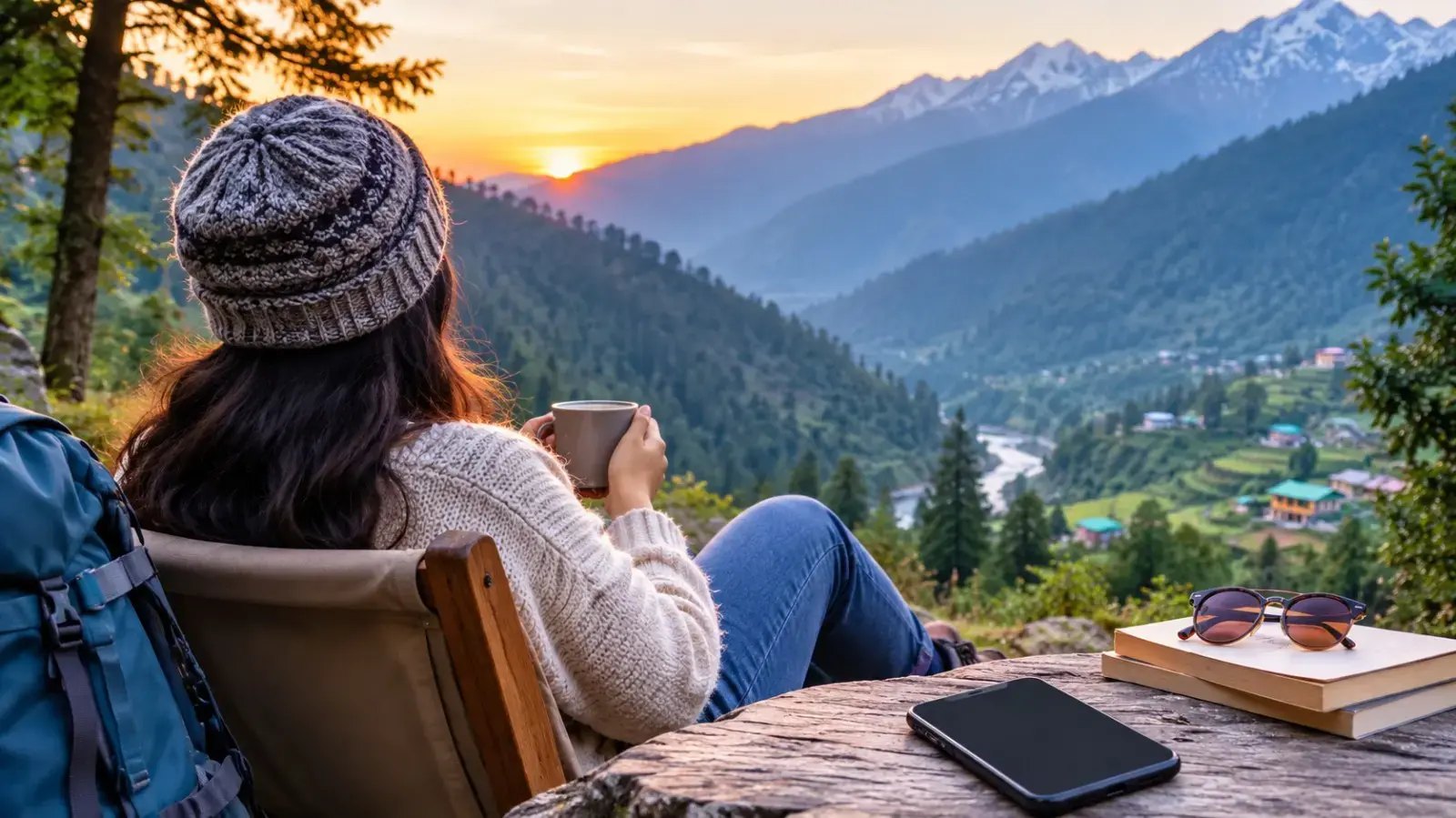
Imagine waking up to the sound of birds Destinations instead of an alarm. There are no urgent emails, no social media notifications, and no pressure to check what everyone else is doing. Outside your window, mountains stretch into the distance, trees move gently in the breeze, and the morning feels wonderfully unhurried.
For many travelers, this is becoming an appealing way to spend a holiday.
Modern life revolves around screens. From work messages and video calls to endless scrolling, digital devices often follow us everywhere—even when we are supposed to be relaxing. As a result, some travelers are choosing holidays that give them a genuine break from online life.
This shift is bringing attention to digital detox travel, off-the-grid adventures, and quietcations. Instead of filling every hour with activities or visiting destinations simply because they are popular online, travelers are looking for peaceful surroundings, meaningful outdoor experiences, and more time to themselves.
Hilton’s 2026 travel trends research found that resting and recharging was the leading motivation for leisure travel among its surveyed respondents, with 56% identifying it as a priority. Spending time in nature and improving mental well-being were also prominent motivations.
The message is clear: for some people, the perfect adventure is no longer about doing more. It is about creating space to slow down.
1. What Is Digital Detox Travel?
Digital detox travel means intentionally reducing the use of digital devices during a trip. The idea is not necessarily to abandon technology completely, but to create boundaries that allow travelers to focus more on their surroundings and experiences.
For example, someone might leave their phone in their accommodation during a morning hike, switch off work notifications for the weekend, or choose a countryside cabin with limited internet access.
Unlike a conventional holiday packed with sightseeing and online sharing, a digital detox trip places greater emphasis on being present.
Why are travelers choosing to unplug?
Less screen time during leisure. A holiday can feel less restorative when work emails and notifications continue throughout the day. Limiting these distractions can help travelers enjoy their time away more fully.
More meaningful outdoor experiences. Walking through a forest, swimming in a lake, or watching a sunset can become more enjoyable when attention is not constantly divided between the experience and a screen.
Time for personal interests. Reading, sketching, photography with a dedicated camera, journaling, or simply enjoying a quiet breakfast can become part of the travel experience.
A slower travel rhythm. Instead of rushing between attractions, travelers can spend longer in one location and explore at a comfortable pace.
Digital detox travel is ultimately about making a conscious choice about when technology is useful and when it becomes a distraction.
2. Quietcations: The Travel Trend That Makes Silence Special
A quietcation is a holiday designed around peace, privacy, and relaxation. Rather than prioritizing busy attractions, nightlife, or tightly scheduled itineraries, travelers choose places where they can enjoy quiet surroundings and a slower routine.


Think of a small cottage beside a lake, a mountain lodge away from crowded tourist areas, or a countryside retreat where the biggest decision of the day is whether to take a walk before or after breakfast.
What makes a quietcation different?
| Traditional sightseeing holiday | Quietcation |
|---|---|
| Focuses on visiting multiple attractions | Focuses on enjoying fewer places deeply |
| Often follows a packed itinerary | Leaves room for spontaneous plans |
| May involve busy tourist centers | Prioritizes peaceful surroundings |
| Emphasizes activities and sightseeing | Emphasizes rest, reflection, and nature |
| Often encourages sharing experiences online | Makes room for private, offline moments |
Quietcations do not have to be expensive or luxurious. A simple homestay, a quiet beach outside peak season, or a weekend in the countryside can offer the same basic idea.
The important part is choosing a setting that matches your reason for taking a break.
3. Off-the-Grid Adventures: Exploring Beyond Constant Connectivity
Off-the-grid travel takes the idea of disconnecting a step further. These adventures involve spending time in places with limited mobile coverage, fewer digital distractions, or a more remote natural environment.
The appeal lies in experiencing a different rhythm of life, where the next activity is shaped by the landscape rather than a notification.
Popular types of off-grid adventures

1. Forest and mountain hiking
Explore marked trails, discover viewpoints, and enjoy the natural sounds of the landscape. Hiking offers a simple way to spend several hours away from everyday digital routines.

2. Remote cabin stays
Book a cabin or eco-lodge in a quiet setting. Spend the day reading, cooking, exploring nearby trails, or enjoying the evening without the pressure to stay online.

3. Lakeside and coastal escapes
Try kayaking, gentle swimming where safe, shoreline walks, or simply watching the water. Choose less crowded locations when possible.
4. Nature camping
Camping offers an opportunity to cook outdoors, watch the stars, and enjoy a simpler routine. Choose an established campsite appropriate for your experience and the conditions.
An important distinction: remote travel should not mean careless travel. Before heading somewhere with limited connectivity, check weather conditions, local rules, transport, water supplies, emergency access, and whether a reliable way to contact help is available.
Being disconnected from social media is optional. Being able to respond to an emergency is essential.
4. Why Digital Detox Holidays Are Gaining Attention in 2026
The growth of remote work, digital entertainment, and always-on communication has blurred the boundaries between working hours and personal time. Even when people take leave, they may continue checking messages or thinking about unfinished tasks.
Travel companies are responding to interest in trips that offer more intentional ways to relax.
Priceline’s 2026 travel trends report identified “Dead Zoning” as a trend in which travelers deliberately choose remote destinations to disconnect. In its US survey, 59% of respondents said they were setting stronger boundaries with work during vacations.
Some travelers want holidays that feel less demanding. A trip with fewer transfers, fewer scheduled activities, and more unplanned time can feel easier to enjoy.
The appeal of nature
Natural surroundings provide a different experience from the constant visual stimulation of digital screens. Forest walks, open landscapes, and quiet beaches offer opportunities to focus on the environment.
A preference for meaningful experiences
Travelers may increasingly value what they remember and experience over how many attractions they visit. Learning a local craft, taking a long walk, or sharing a meal with friends can become the highlight of a trip.
The freedom to be unavailable
A holiday can also be an opportunity to establish boundaries. Letting colleagues know that you will be unavailable, switching off nonessential notifications, and setting a limited time for checking messages can help make time off feel more separate from work.
These motivations will differ from person to person, but they all point toward a more intentional approach to travel.
5. Best Types of Destinations for a Quietcation
You do not need to travel to the other side of the world to enjoy a digital detox. The right destination depends on your budget, preferred activities, accessibility needs, and how much solitude you want.
Mountain villages
Ideal for scenic walks, cool weather, local food, and peaceful views. In India, travelers can explore suitable mountain communities in regions such as Himachal Pradesh or Uttarakhand, while checking seasonal road and weather conditions.
Countryside retreats
A rural guesthouse or farm stay can offer a slower pace without requiring demanding outdoor activities. These are good options for reading, walking, and enjoying local food.
Less crowded coastal areas
Choose quieter beaches or coastal towns outside their busiest periods. Gentle walks, safe swimming, and unhurried meals can create a relaxing itinerary.
Forest stays and eco-lodges
These suit travelers who want greenery, nature trails, and a quieter setting. Check the property’s actual connectivity, environmental practices, and access to essential services before booking.
How to choose: Start with the experience you want. If you enjoy physical activity, consider hiking or camping. If your main goal is rest, choose comfortable accommodation with easy access to nature and minimal travel between activities.
6. How to Plan Your Own Digital Detox Adventure
A successful digital detox does not require a complicated itinerary. The most important step is deciding what you want to leave behind temporarily and what you want to make room for instead.
Step 1: Choose your level of disconnection
You might switch off social media but keep maps and calls available. Alternatively, you could choose accommodation with limited internet and check messages only at a designated time.
There is no single correct approach. Select boundaries that make sense for your responsibilities and comfort level.
Step 2: Pick a suitable destination
Look for natural surroundings, manageable travel times, and activities you genuinely enjoy. Read recent accommodation reviews and confirm whether mobile coverage, Wi-Fi, and emergency communication are available.
Do not assume that a property is offline simply because it is described as remote.
Step 3: Prepare before leaving
- Download offline maps and booking confirmations.
- Share your itinerary with someone you trust.
- Arrange transport and check local weather conditions.
- Carry essential medication, suitable clothing, and sufficient water.
- Set an out-of-office message and tell relevant contacts how to reach you in an emergency.
Step 4: Create a simple offline routine
Instead of filling the day with activities, choose two or three things you want to enjoy.
For example, a day might include a morning walk, a relaxed lunch, an afternoon reading session, and time outside at sunset. Leave the rest of the day open.
Step 5: Bring the benefits home
After returning, consider keeping a few habits from the trip. You might avoid your phone during meals, take a regular outdoor walk, or establish a screen-free period before bedtime.
A holiday can be temporary, but the routines you learn from it can continue afterward.
7. A Simple Three-Day Quietcation Itinerary
Here is an example of how to structure a short break without making it feel like another busy schedule.
Day 1 — Arrive and Unwind
Theme: Leave the rush behind
Check in, unpack, silence nonessential notifications, and take a gentle walk nearby. Enjoy a relaxed dinner and spend the evening reading or sitting outdoors.
Day 2 — Explore Without Rushing
Theme: Be present
Choose one main activity, such as hiking, kayaking, or exploring a nearby village. Leave time for a leisurely meal, journaling, or simply enjoying the scenery.
Day 3 — Recharge and Return
Theme: Take the calm home
Enjoy a slow breakfast, take a final walk, and reflect on what you enjoyed most. Check travel arrangements and return without squeezing in unnecessary activities.
Adapt the itinerary to the destination, weather, your mobility, and local safety advice. The goal is not to follow a perfect schedule; it is to have enough structure to feel comfortable without filling every moment.
8. Can Digital Detox Travel Be Affordable?
Yes. A peaceful holiday does not have to involve a luxury wellness resort or an expensive international trip.
A short break close to home can reduce transport costs and leave more of the budget for accommodation, food, and enjoyable activities.
| Travel choice | How it may help manage costs |
|---|---|
| Nearby nature destination | Reduces long-distance transport expenses |
| Off-season travel | May offer lower accommodation prices |
| Simple guesthouse or homestay | Provides comfort without luxury-resort costs |
| Self-catering accommodation | Can reduce restaurant spending |
| Free outdoor activities | Adds experiences without expensive tickets |
| Longer stay in one location | May reduce transport and activity costs |
Compare the total cost rather than focusing only on the nightly rate. Remote accommodation may require a rental vehicle, private transfers, or extra supplies. A less expensive room is not always the least expensive trip overall.
9. Travel Responsibly While Going Off the Grid
Peaceful destinations often depend on healthy ecosystems and local communities. The growing interest in quiet and remote travel makes responsible planning particularly important.
Here are a few ways to make your adventure more considerate:
- Respect nature: Stay on marked trails, follow fire restrictions, and take your rubbish with you.
- Support local businesses: Choose local guides, restaurants, and accommodation where possible.
- Respect local communities: Follow cultural guidance and ask permission before photographing people.
- Avoid unsafe isolation: Check weather, transport, and emergency arrangements before traveling.
- Protect wildlife: Keep a safe distance from animals and follow local conservation rules.
Being off-grid should not mean ignoring the people and environment that make the destination special.
The best kind of quiet travel allows visitors to enjoy a place without damaging what makes it worth visiting.
FAQs
1. What is a digital detox holiday?
A digital detox holiday is a trip during which travelers deliberately reduce screen time, social media use, and nonessential digital distractions to focus on their surroundings and activities.
2. What is a quietcation?
A quietcation is a peaceful holiday focused on relaxation, privacy, nature, and a slower pace rather than busy itineraries or crowded attractions.
3. Where can I go for an off-grid adventure?
Options include mountain villages, forest cabins, rural homestays, quiet coastal areas, and established campsites. Check accessibility, weather, and emergency communication before booking.
4. How can I enjoy a digital detox without switching off my phone completely?
Disable nonessential notifications, set specific times to check messages, download offline maps, and keep calls and emergency functions available.



Leave a Reply