
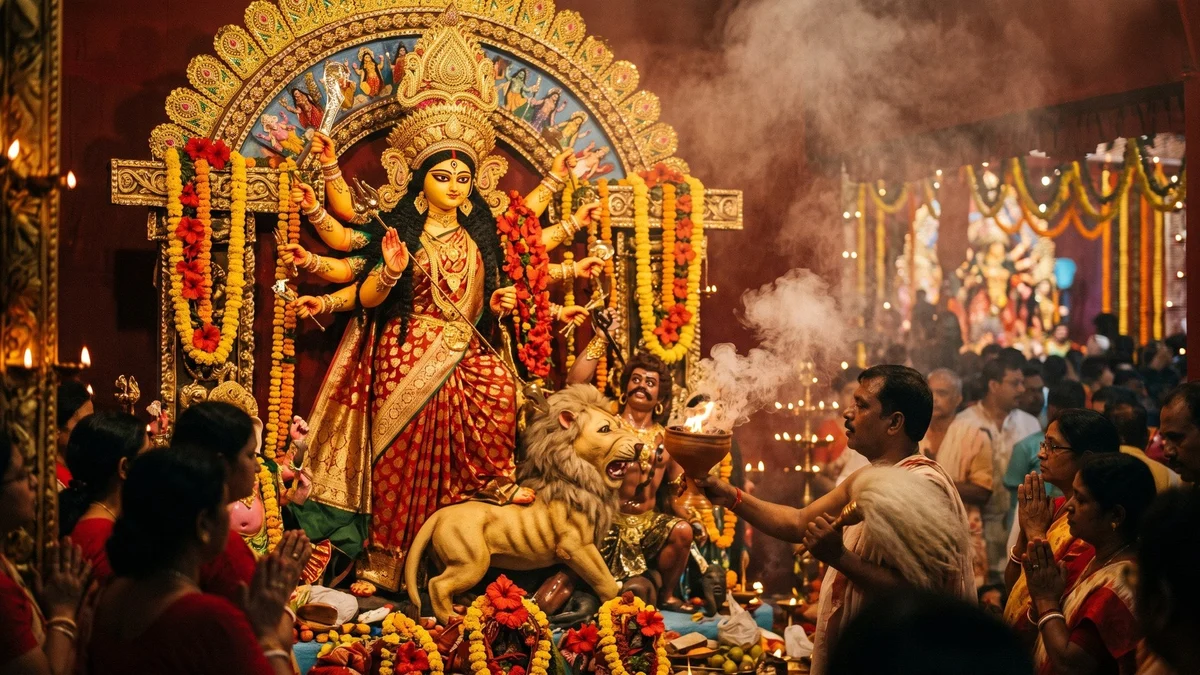
Navratri is one of those festivals that makes everyday life feel a little different. People start thinking about traditional outfits, markets become colourful, and families prepare for prayers and celebrations. I like how the festival brings people together. Some enjoy Garba with friends, while others prefer spending time at home with their families.
Navratri is dedicated to Goddess Durga and her nine forms. People celebrate it in different ways depending on their region, beliefs and family traditions. Some observe fasts, some visit temples, and others wait for Garba and Dandiya nights. For me, Navratri is special because it brings together fun moments with friends and meaningful traditions at home.
In 2026, Sharad Navratri begins on October 11 and continues until October 19, with Vijayadashami falling on October 20 according to commonly followed calendars. Exact observances may vary by location and local panchang.
What Is the Significance of Navratri?
The word Navratri means nine nights. During this festival, devotees worship Goddess Durga in her different forms. Each form is connected with qualities such as courage, wisdom, devotion, strength and peace.
Navratri also represents the victory of good over evil. For many people, it is a time to pray, reflect on their actions and begin again with positive thoughts. Families may clean their homes, prepare a place for worship and follow traditions that have been passed down through generations.
I feel that everyone has their own way of celebrating. Some families follow detailed rituals, while others keep things simple with daily prayers. What matters is that people celebrate in a way that feels meaningful to them.
Nine Forms of Goddess Durga

During the nine days of Navratri, devotees worship nine forms of Goddess Durga, often known as Navadurga. Each form has its own story and significance.
- Shailputri: Associated with nature, strength and new beginnings.
- Brahmacharini: Represents devotion, patience and dedication.
- Chandraghanta: Symbolises courage and bravery.
- Kushmanda: Associated with energy and creation.
- Skandamata: Represents motherhood, love and care.
- Katyayani: Symbolises strength and protection.
- Kalaratri: Represents the power to overcome darkness and fear.
- Mahagauri: Associated with peace and purity.
- Siddhidatri: Represents spiritual wisdom and fulfilment.
Many devotees offer flowers, light a diya and pray to the Goddess during these days. Some visit temples or read religious texts at home. The exact rituals depend on family customs, but devotion remains central to the celebration.
Navratri Colours and Their Meaning

Colours are one of the enjoyable parts of Navratri. Many people like wearing traditional clothes in different colours throughout the festival. You may see women wearing colourful suits and lehengas, while men choose kurtas or other ethnic outfits.
Red, yellow, green, blue, pink, white and orange are among the colours commonly seen during Navratri celebrations. People often connect these colours with qualities such as energy, happiness, peace and devotion. The colour assigned to each day can change according to the calendar being followed.
Personally, I think getting ready for a festival is part of the excitement. However, buying a new outfit every day is not necessary. You can wear clothes you already own, add a dupatta or simple accessories, and still enjoy the festive mood. Feeling comfortable is more important than following every trend.
Common Navratri Rituals

Navratri rituals are different in every household. Some families perform puja in the morning, while others gather for evening aarti after everyone has returned home.
One common ritual is Ghatasthapana, which marks the beginning of Navratri for many devotees. A kalash is placed according to religious customs, and prayers are offered to Goddess Durga.
Daily puja may include flowers, a diya, incense and devotional songs. Some people observe fasts on selected days, while others follow fasting rules throughout the festival. These practices depend on individual beliefs and family traditions.
Aarti and bhajans are also important in many homes. They give family members a chance to come together for a few quiet moments, even when everyone has a busy schedule.
Another tradition is Kanya Bhojan, during which young girls are worshipped as forms of the Goddess and offered food. My family follows this tradition on Saptami, making it a personal part of our Navratri celebration.
A Memorable Navratri Celebration at My College

One of my favourite Navratri memories is the Garba party we had at my college. I went with my friends, and we all enjoyed the celebration. Everyone was dressed up, and the whole place had a festive feel. It didn’t feel like our usual college day.
We got a chance to take a break from classes and spend some fun time together. The music, colourful outfits and cheerful atmosphere made the event enjoyable. I was happy that we could celebrate a festival together instead of just following our regular college routine.
What made the day special for me was being with my friends. We enjoyed the event, shared the excitement and made a memory that I can look back on with a smile.
That day made me realise that Navratri celebrations are not only about dancing. They are also about spending time with others and enjoying simple moments together. Even a college event can become a lovely memory when you share it with good friends.
Kanya Bhojan at My Home on Saptami

At home, my family organists Kanya Bhojan on Saptami during Navratri. It is a tradition we follow every year, and it has a special place in our celebration.
During Kanya Bhojan, young girls are worshipped as forms of Goddess Durga and offered food. Some families also give gifts or other items according to their customs. The ritual reflects respect and devotion towards the Goddess.
I like that my family continues this tradition every year. Festivals can become busy with shopping, preparations and other activities, but traditions like this remind us why we celebrate in the first place. They also help younger family members learn about customs that have been followed for years.
For me, the college Garba party and Kanya Bhojan are two very different experiences. One gave me happy memories with my friends, while the other connects me with my family and culture. Both are important to me, and they make Navratri feel personal rather than just another festival on the calendar.
Garba and Dandiya Celebrations

Garba and Dandiya are popular Navratri celebrations, especially in Gujarat. They are also enjoyed in many other parts of India through college events, community gatherings and organised festive nights.
Garba usually involves dancing in circles to traditional or modern music. Dandiya is performed using decorated sticks, with dancers moving to the rhythm of the music. People often wear colourful traditional outfits and gather with friends and family.
The best thing about these events is the atmosphere. People come together, enjoy the music and take part in the celebration. Some are experienced dancers, while others are still learning the steps.
My college Garba experience showed me that these events are not only about dancing. They are also about spending time with people, enjoying a break from routine and creating memories that stay with you after the festival ends.
Navratri Food and Fasting

Food is another part of Navratri that varies from family to family. People who observe fasts may eat fruits, potatoes, sabudana and other foods permitted by their fasting customs. Some avoid particular grains or ingredients, while others follow different rules based on their beliefs.
Many households prepare simple meals during the festival. Special dishes may also be made for family gatherings or religious occasions. The food depends on regional traditions and what people usually eat at home.
Not everyone fasts during Navratri, and celebrations do not have to look the same in every household. If you choose to fast, follow practices that are suitable for you and your circumstances. Simple, familiar meals can make the days easier without adding unnecessary stress.
How to Celebrate Navratri at Home

You do not need to attend a large event to enjoy Navratri. Many people celebrate at home with prayers, family meals and small traditions.
You can keep your prayer area tidy, offer flowers, light a diya where appropriate and spend a few minutes in prayer. Some families listen to bhajans or perform aarti together in the evening. Others prepare traditional food or invite relatives to join them for a meal.
There is also no need to spend too much money on decorations or clothes. Using items you already have can be enough to create a festive feeling. A simple celebration with family can be just as memorable as a large event.
I think this is one of the nicest things about festivals. You can celebrate in your own way without worrying about making everything perfect.
Why Navratri Is Culturally Important

Navratri brings together religion, music, dance, food and family traditions. Although celebrations differ across India, the festival gives many people an opportunity to connect with their beliefs and communities.
It also helps traditions continue from one generation to another. Children and young adults can learn about rituals by watching their families take part in them. Community events and college celebrations provide another way to experience the festival.
For me, the best part is being able to enjoy both sides of Navratri. The Garba party at college was a fun experience with friends, while Kanya Bhojan at home is a family tradition that I value. Together, they remind me that a festival can bring happiness while keeping us connected to our roots.
FAQs: Navratri Festival 2026
1. What are the main traditions of Navratri?
Daily puja, fasting, aarti, Garba and Kanya Bhojan are common traditions.
2. Why do people celebrate Navratri for nine days?
The nine days are dedicated to the nine forms of Goddess Durga.
3. What is Kanya Bhojan during Navratri?
Young girls are worshipped as forms of Goddess Durga and offered food.
4. Why do people play Garba during Navratri?
Garba brings people together through music, dance and devotion.
5. Is fasting compulsory during Navratri?
No, fasting depends on personal beliefs and family traditions.



Leave a Reply