

If you were to take a look at my Instagram feed right now, you would probably figure out my life in about five seconds. Half of what I see is standard student mess—memes about impending exam deadlines, late-night coffee runs, and quick videos of friends messing around in class. But the other half is a complete shift in tone. It is a mix of people doing Garba in Gujarat with bright chaniya cholis spinning under yellow lights, a quick walk-through of an old stone temple in Maharashtra, a local village fair in Rajasthan, or a bride sitting in a sunny courtyard getting her mehendi done.
It is easy to double-tap those clips, save them to some folder you never look at again, and keep scrolling. I did that for months. But late one night last semester, sitting at my desk with three different research tabs open for an assignment, I stopped on a quick video of a weaver in Varanasi. Watching his hands move across the loom without hesitation, it hit me that these thirty-second reels aren’t just aesthetic background noise for an algorithm. They are tiny glimpses of traditions that people have been fine-tuning for centuries.
Life moves at a weird, relentless pace in 2026. Between 8 AM lectures, assignments that always seem due at midnight, family commitments, and the endless pinging of group chats, running on autopilot is just how most of us survive the week. We move through our routines without giving much thought to the customs we grew up around. But the moment a major festival approaches, the mood at home shifts completely. The rush calms down into something much warmer. We pull out the heavy brass thalis from the top shelf of the kitchen, sweep behind furniture that usually gets ignored, and end up sitting on the living room floor together untangling fairy lights or peeling dry fruits into big bowls.
For me, Indian culture isn’t something dusty that belongs in a textbook or a museum display. And it definitely isn’t just about dressing up once a year to get a good picture for social media. It lives in the small, unscripted stuff—the smell of roasting spices in my grandmother’s kitchen, the random advice your elders drop into normal conversations, and those shared memories that somehow make the gap between generations feel a lot smaller.
1. Indian Culture and Traditions in Everyday Life
When people talk about culture, they usually mean the massive, loud festivals. But honestly, most of it happens quietly in the background of ordinary days. Everyone knows India is diverse, but you only really get it when you see how much daily life changes from one house to the next. What a family cooks, wears, or speaks in Maharashtra feels completely different from life in Rajasthan, Punjab, or down South. Even on the same street, two families might mark the exact same occasion in totally different ways.
That variety is easily one of the best parts of growing up here. A festival can look completely different depending on whose house you walk into, but the general feeling of warmth and people coming together is pretty much the same everywhere.
Over time, I’ve realized it’s these tiny home rituals that keep us grounded when everything else feels chaotic. In some houses, the morning doesn’t start until someone lights an incense stick near the front door. In others, tradition is just a basic rule like greeting elders the moment they walk into the room, or making sure anyone who visits—invited or not—gets a cold glass of water and something to eat before you even ask why they’re there.
These habits don’t cost anything, and nobody needs to plan them out weeks in advance. Just sitting down with a grandparent on a lazy Sunday and asking them how they celebrated things back when they were young can teach you more about real life than a book ever will. When you pay attention to those small moments, culture stops feeling like a grand concept and just feels like home.
2. Navratri: A Festival Full of Energy and Memories

If I had to pick one festival that highlights the gap between my college life and my family life, it would definitely be Navratri. I love the sheer noise and movement of it—the heavy thud of the dhol, the clacking of dandiya sticks, the music, and the whole atmosphere around Garba. During those nine days, your entire social media feed is basically just people dancing, showing off their outfits, and posting about their nights out.
Last year, my college friends and I decided to go all out for our campus Garba night. I spent days trying to assemble a Maharashtrian-inspired outfit, complete with traditional jewelry, a distinct nose ring (nath), and a hairstyle that wouldn’t completely fall apart after an hour of dancing. Getting ready in a cramped room with four other people—swapping bangles, trying to help each other pin heavy drapes, and laughing when someone messed up their eyeliner—was honestly half the fun.
Stepping out onto the campus grounds for Garba night always hits different. For just a few hours, everyone forgets about pending assignments and internal marks. Finding yourself in a circle, matching steps with people you usually only pass silently in lecture halls, is a subtle reminder of how great it feels to celebrate our culture on our own terms.
Still, my favorite part of Navratri happens in a much quieter way at home. Every year on Saptami, we hold Kanya Bhojan. We invite the young girls from our neighborhood into our house, wash their feet, tie moli around their wrists, and serve them a freshly cooked plate of puri, halwa, and chana—a simple ritual that brings a real sense of warmth and family devotion into the festival.
The two experiences could not be more different. The college Garba is loud, social, and full of energy, while Kanya Bhojan at home is quiet, simple, and rooted in faith. But both of them are important to me, and together they make the festival what it is.
3. Traditional Clothing and Modern Fashion

Traditional clothes in India are incredible when you actually look at the details. Sarees, lehengas, kurtas, dhotis, and regional outfits all have their own story. The weight of real handloom silk, the specific style of embroidery from a particular region, the block prints, and the local jewelry design all come from somewhere specific.
Lately, a lot of people my age have been mixing traditional stuff with everyday clothes. Fusion fashion isn’t about throwing away tradition; it just makes it practical for modern life. Throwing a short kurti over jeans for a full day of lectures, wearing a saree with a plain cotton tee, or grabbing an old dupatta from your mom’s closet to fix up a basic outfit lets you wear traditional pieces without feeling overdressed.
I love getting ready for festivals because putting on traditional clothes completely changes your mood. Wearing that Maharashtrian look for our college Garba made the whole night feel much more intentional and memorable.
That said, social media has a bad habit of making people feel like they need a brand-new outfit for every single function or festival. You really don’t need to keep buying new things. Real style is just being creative with what’s already there. Reusing old clothes, pairing things differently, borrowing vintage jewelry from your mother’s wardrobe, or swapping outfits with a friend for an evening keeps things fun without draining your pocket.
4. Indian Festivals and Their Cultural Significance

It feels like there is always a festival happening somewhere in India, and every single one has its own background, rituals, and reasons for existing. Diwali brings out the lights and diyas, Holi is all about color and catching up with people, Eid centers around sharing food and community, and Christmas brings decorations and family dinners.
Regional festivals are just as rich. Whether it’s Ganesh Chaturthi, Durga Puja, Pongal, Onam, Baisakhi, or Bihu, these celebrations are deeply tied to local harvests, seasons, and regional history.
The best thing about these festivals is how they force people to slow down and hang out. Relatives who are usually too busy to pick up the phone suddenly show up, help out in the kitchen, decorate the house, or drop by with sweets.
Of course, every family does things differently. Some households host huge parties with dozens of guests, while others keep it completely quiet at home. I think the point is just understanding why we celebrate, rather than getting caught up in how big the decorations are or how good the photos look online. Taking a minute to learn about how other communities celebrate their festivals goes a long way in actually respecting people’s differences.
5. Local Food, Recipes, and Family Traditions

Food is probably the easiest and best way to experience any culture. Every region has its own go-to dishes, local ingredients, and specific ways of cooking. Whether it’s a full regional thali, simple homemade parathas, or festival sweets, food holds a ton of nostalgia for most people.
In a lot of homes, festival prep starts in the kitchen days before the actual day. The kitchen essentially becomes command central. Everyone sits around helping—rolling out dough, frying snacks, or arguing over whether there’s enough cardamom in the sweets. A lot of these family recipes aren’t written down anywhere; people just cook them by sight, smell, and memory.
No matter how convenient food apps are or how many new cafes open up, nothing really beats a proper home-cooked meal made during a festival. A single bite of something your family cooks every year can instantly bring back memories of sitting on the floor with your cousins during school holidays, waiting for your plate. Preserving those food traditions isn’t complicated: sit in the kitchen with your parents or grandparents while they cook, write down what they do, and figure out how to make at least one dish yourself.
6. Historical Monuments and India’s Cultural Heritage

Our heritage isn’t just inside our homes or on our plates; it’s built into the landscape. Old forts, stone temples, stepwells, palaces, and local museums are physical proof of what came before us.
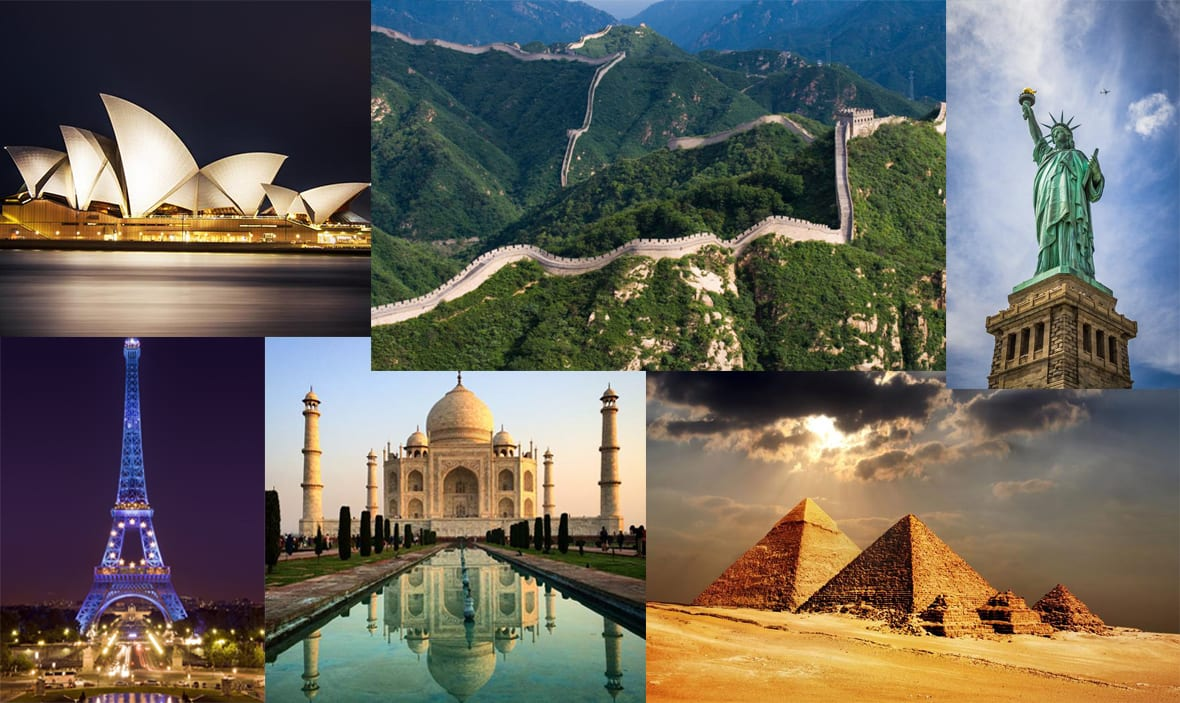
Major sites like the Taj Mahal, Hawa Mahal, Amber Fort, or ancient cave temples get thousands of visitors every day because the detail and architecture are unbelievable. But almost every small town or district has its own local monuments that are just as meaningful to the people living around them.
With travel content everywhere on Instagram and YouTube, historic places have become massive spots for making videos. And while it’s great that social media helps people discover lesser-known locations, it’s easy to get distracted by trying to get a good reel. When you go somewhere old, taking pictures is fine, but putting your phone away for a bit makes a huge difference. Reading the stone signs, listening to a local guide explain how something was built hundreds of years ago without modern tools, or just listening to the acoustics inside a hall makes the trip actually worth it.
Taking care of these places matters. Treating them with basic respect—not throwing trash around, following the rules, and leaving things the way you found them—is the least we can do so they stay intact for the next generation.
7. How Social Media Is Changing Cultural Trends in 2026


Social media has completely changed how people my age find out about different customs. Platforms like Instagram and YouTube are full of short-form videos showing regional folk dances, traditional clothes, local street food, and festivals from parts of the country you’ve never visited.
A random 30-second clip can make someone want to learn a new dance step, or teach them about a specific weaving style they’d never heard of before. It also gives independent artists, traditional weavers, and local craftsmen a way to show their work directly to people. I get a lot of practical ideas for outfits, jewelry, or hairstyles just from watching quick tutorials online.
That said, social media only shows the prettiest 10% of anything. A nicely edited reel doesn’t show the three hours of tiring house cleaning before the festival, the minor arguments over who was supposed to buy what, the early morning prayers, or the actual meaning behind the day. Social media is great for finding ideas, but culture is something you have to actually experience offline in those unscripted, everyday family moments.
8. Simple Ways to Preserve Our Cultural Traditions

Keeping traditions alive doesn’t mean you need to organize big events or change how you live. Small, sensible things you do at home or on campus are more than enough:
- Talk to your elders: Use your phone’s voice recorder to record your grandparents talking about their early lives, old customs, or family stories.
- Get involved in celebrations: Don’t just sit in your room—help out with festival prep at home, go to college cultural nights, and participate in local events.
- Learn about other regions: Spend some time looking into folk dances, regional crafts, or music from different states across India.
- Buy from local makers: When shopping for festival stuff or gifts, try buying directly from local artisans and small craft markets instead of buying cheap plastic items.
- Be respectful of other cultures: Learn about how other communities celebrate without making assumptions or treating their customs like a joke.
- Respect historic places: Don’t litter at heritage sites, follow the visitor rules, and treat old architecture carefully.
- Post with context: If you’re sharing traditional stuff online, take a second to explain what the custom actually means instead of just posting it for a trend.
Frequently Asked Questions
1. What are the major cultural trends in 2026?
Major cultural trends in 2026 include traditional festival celebrations, regional fashion, cultural tourism, folk art, local food, and sharing cultural experiences through social media.
2. Why is Indian culture famous around the world?
Indian culture is known for its diverse festivals, languages, traditional clothing, regional cuisines, music, dance, historical monuments, and family customs.
3. What are the most popular traditional festivals in India?
Popular festivals include Diwali, Holi, Navratri, Durga Puja, Ganesh Chaturthi, Eid, Christmas, Pongal, Onam, and Baisakhi.
4. Why is cultural heritage important?
Cultural heritage connects us with our history, traditions, and identity. It also helps future generations understand the customs, arts, and values passed down through families and communities.
5. How can young people preserve Indian traditions?
Young people can preserve traditions by participating in festivals, learning regional languages, preparing traditional recipes, supporting local artists, and learning cultural stories from elders.


Leave a Reply