
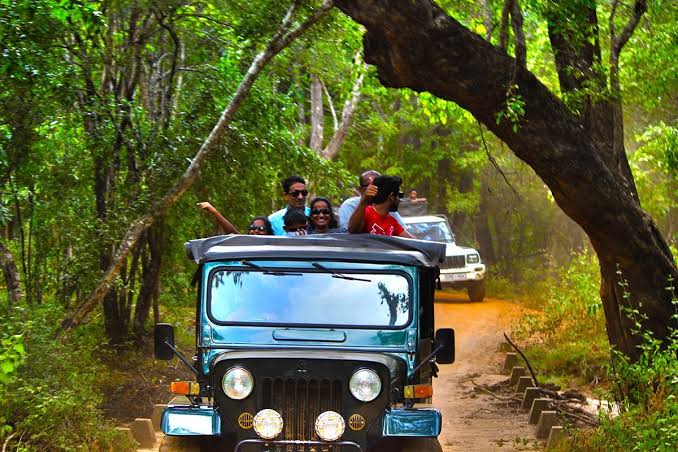
Adventure travel has a way of turning an ordinary holiday into a story you remember for years. It could be hiking through a mountain trail at sunrise, kayaking across clear water, camping under a sky full of stars, exploring a remote village, or simply taking a road trip to a place you have never visited before.
But a great adventure is not only about excitement. Good planning matters just as much.
In 2026, travellers have more ways than ever to discover destinations, book experiences, navigate unfamiliar places, and stay connected while travelling. At the same time, popular adventure destinations can become crowded, weather conditions can change quickly, and activities such as trekking, rafting, diving, or climbing require a realistic understanding of your abilities.
This Adventure Travel Guide 2026 explains how to plan an exciting trip without overlooking safety. From choosing the right destination and preparing your itinerary to packing smartly, managing your budget, staying safe outdoors, and handling unexpected situations, these practical tips can help you enjoy the journey with greater confidence.
What Is Adventure Travel?

Adventure travel is a type of tourism that involves exploration, outdoor activities, physical challenges, cultural experiences, or travelling beyond conventional sightseeing.
Adventure does not necessarily mean doing something extreme.
For one traveller, adventure might mean climbing a challenging mountain. For another, it could be spending a weekend camping in a forest, cycling through the countryside, taking a scenic road trip, or exploring a lesser-known destination.
Some popular types of adventure travel include:
- Hiking and trekking
- Camping
- Mountain climbing
- Rock climbing
- Scuba diving
- Snorkelling
- White-water rafting
- Kayaking
- Paragliding
- Ziplining
- Cycling tours
- Wildlife safaris
- Desert adventures
- Road trips
- Snow activities
- Multi-day expeditions
The best adventure is one that matches your interests, experience, fitness level, budget, and comfort zone.
Why Adventure Travel Is Becoming More Popular in 2026
Travellers are increasingly looking beyond traditional sightseeing. Instead of simply visiting famous landmarks, many people want experiences that allow them to interact with nature, discover local communities, stay active, and create memorable moments.
Adventure travel can also provide a break from highly structured routines.
A few days spent hiking, camping, cycling, or exploring a new landscape can feel very different from an ordinary city holiday.
Some of the biggest reasons people choose adventure trips include:
Experiencing Nature
Mountains, forests, beaches, deserts, rivers, and national parks provide an opportunity to experience landscapes that cannot be fully appreciated through photographs.
Trying Something New
Adventure travel encourages people to step outside familiar routines. Learning to kayak, completing a difficult trail, or camping for the first time can be surprisingly rewarding.
Staying Active
Many adventure activities involve walking, swimming, cycling, climbing, or other forms of physical movement.
Creating Meaningful Memories
Adventure trips often produce stories that stay with travellers long after they return home.
Exploring Less-Ordinary Places
Some adventure experiences take travellers away from crowded tourist centres and into quieter natural or cultural environments.
How to Choose the Right Adventure Destination
Choosing a destination is one of the most important decisions when planning an adventure trip.
Do not select a location simply because it looks impressive on social media. Consider whether the destination actually suits your experience, budget, available time, and travel preferences.
Start by asking yourself a few questions:
- How many days do I have?
- What kind of adventure do I want?
- Am I travelling alone or with others?
- What is my budget?
- What is my fitness level?
- Do I have previous experience with the activity?
- What weather conditions should I expect?
- How remote is the destination?
- What equipment will I need?
- Are permits or local guides required?
For example, someone planning their first trekking trip may be better suited to a well-established trail with accommodation and support nearby than an isolated multi-day expedition.
Best Types of Adventure Trips for Different Travellers
Not every traveller wants the same level of excitement. Choosing an activity that fits your personality and experience can make the trip much more enjoyable.
| Traveller type | Adventure ideas |
|---|---|
| Beginners | Easy hiking, camping, cycling, guided nature tours |
| Families | Wildlife safaris, easy trails, kayaking, camping |
| Solo travellers | Trekking, road trips, cultural exploration |
| Fitness enthusiasts | Mountain trekking, cycling, climbing |
| Water lovers | Diving, rafting, kayaking, snorkelling |
| Nature lovers | Wildlife tours, forest hikes, national parks |
| Thrill seekers | Paragliding, canyoning, advanced rafting |
| Photography lovers | Wildlife, mountains, landscapes, scenic road trips |
You do not have to start with the most difficult option. Adventure is about the experience, not about proving how extreme you can be.
Research the Destination Before You Book
A little research can prevent a lot of trouble later.
Before booking accommodation or activities, learn about the destination’s terrain, climate, transport options, local regulations, emergency services, and seasonal conditions.
Look beyond travel blogs and social media posts. Check official tourism resources, park authorities, transportation providers, activity operators, and relevant government travel information where available.
Pay particular attention to seasonal conditions.
A trail that is enjoyable during one part of the year may become dangerous during heavy rain or extreme weather. Similarly, certain water activities may depend heavily on tides, currents, visibility, or seasonal conditions.
Check These Things Before Travelling
- Local weather patterns
- Seasonal closures
- Trail conditions
- Road conditions
- Public transport availability
- Mobile connectivity
- Local emergency numbers
- Permit requirements
- Entry fees
- Recommended equipment
- Activity restrictions
- Local customs and rules
Good research does not make an adventure boring. It gives you more freedom to enjoy it.
Create a Realistic Adventure Itinerary
One of the easiest mistakes travellers make is trying to do too much.
Adventure activities can be physically demanding, and travel between remote locations often takes longer than expected.
Instead of creating a packed schedule, leave some breathing room between activities.
For example, if you complete a long hike on Monday, scheduling another demanding activity early Tuesday morning may leave you exhausted.
A better itinerary could look like this:
Day 1: Arrival and local exploration
Day 2: Easy outdoor activity
Day 3: Main adventure
Day 4: Rest and cultural exploration
Day 5: Second activity or scenic excursion
Day 6: Flexible day for weather changes
Day 7: Departure
The exact itinerary will depend on the destination, but the principle remains the same: allow enough time for rest, delays, and unexpected changes.
Plan for Weather Changes
Weather is one of the biggest variables in outdoor travel.
A sunny morning does not always mean perfect conditions for the rest of the day. Mountain weather, in particular, can change rapidly.
Before starting an outdoor activity, check the latest local forecast and understand what conditions could affect your plans.
Pack accordingly.
Depending on the destination, this may include:
- Waterproof jacket
- Warm layers
- Sun protection
- Hat or cap
- Sunglasses
- Extra socks
- Water-resistant bags
- Appropriate footwear
- Emergency blanket
- Basic first-aid supplies
Do not ignore weather warnings simply because you have already travelled a long distance for the experience.
Sometimes the safest and smartest decision is to postpone an activity.
Build Fitness Before Your Adventure
You do not need to become an athlete before taking an adventure trip, but preparation can make a significant difference.
If your trip involves hiking, start walking regularly before travelling. If you plan to cycle long distances, gradually increase your cycling time. For water activities, make sure you understand the required swimming ability.
Avoid trying to complete intense training immediately before your trip.
A gradual approach is usually more practical.
For example:
Four to six weeks before the trip:
- Increase regular walking.
- Add stairs or gentle hills.
- Improve general endurance.
- Practise carrying a daypack.
- Get comfortable with your planned footwear.
If you have concerns about your physical ability to participate in a particular activity, speak with a qualified professional or the activity provider before booking.
Pack Smart Instead of Packing Everything
Adventure travel often involves carrying your belongings over uneven terrain, so heavy luggage can quickly become a problem.
The goal should be to pack what you genuinely need.
Adventure Travel Packing Checklist
Clothing
- Moisture-friendly base layers
- Comfortable trousers
- Warm layer
- Waterproof outer layer
- Extra socks
- Sleepwear
Footwear
- Activity-appropriate shoes or boots
- Comfortable backup footwear where practical
Health and safety
- Personal medications
- Basic first-aid kit
- Sunscreen
- Insect repellent
- Hand sanitiser
Technology
- Phone
- Power bank
- Charging cable
- Headlamp or flashlight
- Waterproof phone pouch where appropriate
Navigation
- Offline maps
- Physical map for remote areas
- Compass if appropriate for the activity
Food and water
- Reusable water bottle
- Water purification option for remote trips
- High-energy snacks
Do not forget important documents, identification, payment methods, and copies of essential information.
Invest in the Right Gear
You do not need the most expensive equipment available.
The right gear depends on the activity.
For hiking, comfortable footwear may be more important than owning a large collection of specialised equipment. For water activities, properly fitted safety equipment is essential.
Before buying expensive gear, consider whether you can rent or borrow specialised equipment.
However, do not compromise on safety-critical equipment simply to save money.
When participating in activities such as climbing, rafting, diving, skiing, or paragliding, follow the provider’s equipment requirements and use properly maintained gear.
Choose Reputable Adventure Operators

If you are booking an organised adventure, research the company before paying.
Look for information about:
- Guide qualifications
- Safety procedures
- Equipment maintenance
- Emergency plans
- Group sizes
- Reviews from multiple sources
- Cancellation policies
- Insurance requirements
- Experience operating in the destination
Be cautious of operators that make unrealistic promises or cannot clearly explain their safety procedures.
A slightly more expensive experience with a reputable operator may be a much better choice than choosing the cheapest option without checking its standards.
Never Ignore Local Guides and Instructions
Local guides often understand the destination in ways that online maps cannot.
They may know about changing weather, difficult sections of a trail, wildlife activity, local customs, water conditions, or temporary closures.
Listen to their instructions.
If a guide tells the group to turn around because conditions have changed, that decision is usually based on factors that travellers may not be able to see.
Adventure is more enjoyable when you respect local knowledge.
Keep Someone Informed About Your Plans
If you are heading into a remote area, make sure someone knows where you are going.
Share:
- Your destination
- Your planned route
- Accommodation details
- Activity details
- Expected return time
- Emergency contact information
For longer or remote trips, establish a simple check-in plan.
If your itinerary changes significantly, update the person who is tracking your plans.
This is particularly important for solo travellers.
Safety Tips for Solo Adventure Travel
Solo adventure travel can be incredibly rewarding, but it requires additional preparation.
Before heading out alone, understand the risks of your planned activity and destination.
Consider these precautions:
- Choose established routes for your first solo trips.
- Avoid sharing your exact travel plans publicly in real time.
- Keep emergency contacts accessible.
- Carry backup navigation options.
- Keep important documents secure.
- Check local conditions before leaving.
- Avoid taking unnecessary risks simply because nobody is watching.
- Know when to turn back.
One of the most important solo travel skills is knowing when to say, “This isn’t worth the risk.”
There is no shame in changing your plans.
Protect Your Health While Travelling
Adventure trips can be physically demanding, particularly when you are hiking, spending long hours outdoors, or travelling at altitude.
Stay hydrated and take regular breaks.
Eat enough food to support your activity level and avoid pushing yourself beyond your limits.
If you are travelling to high-altitude destinations, research altitude-related risks before your trip and understand the symptoms that require attention.
Also carry any personal medication you may need and keep it accessible rather than buried at the bottom of your luggage.
Think About Travel Insurance
Adventure activities can involve greater risks than ordinary sightseeing, and not every travel insurance policy automatically covers every activity.
Before purchasing insurance, read the policy carefully.
Check whether it covers the specific activities you plan to participate in and whether there are exclusions related to altitude, remote locations, equipment, or organised sports.
Depending on your trip, you may also want to understand coverage for:
- Medical emergencies
- Evacuation
- Trip cancellation
- Delayed travel
- Lost baggage
- Activity-related incidents
Do not assume that because a policy says “adventure” or “sports,” every activity is included.
Read the actual terms.
Respect Nature During Adventure Travel
Adventure travel takes you into some of the world’s most beautiful environments. Keeping these places clean and protected is part of being a responsible traveller.
Follow the principle of leaving places as you found them, or better.
Simple habits include:
- Carrying your waste back with you.
- Avoiding damage to plants.
- Staying on marked trails where required.
- Respecting wildlife from a safe distance.
- Avoiding feeding wild animals.
- Using designated camping areas where required.
- Following local fire restrictions.
- Reducing unnecessary plastic use.
- Respecting protected areas and their regulations.
A beautiful destination should remain beautiful for the travellers who come after you.
Respect Local Communities and Cultures
Adventure travel is not only about landscapes. Many outdoor destinations are home to communities with their own traditions, languages, customs, and ways of life.
Be respectful.
Ask before photographing people, follow local rules, dress appropriately where cultural expectations require it, and support local businesses when possible.
Hiring local guides, staying at locally owned accommodation, and eating at local restaurants can also help keep tourism benefits within the community.
Remember that you are visiting someone else’s home region.
How to Manage Your Adventure Travel Budget
Adventure trips can be surprisingly affordable or extremely expensive depending on the destination and activities.
The best way to avoid financial surprises is to create a complete budget before travelling.
Consider these categories:
| Expense | What to include |
|---|---|
| Transport | Flights, trains, buses, taxis, fuel |
| Accommodation | Hotels, hostels, campsites |
| Activities | Tours, permits, entrance fees |
| Equipment | Purchases or rentals |
| Food | Meals, snacks, drinks |
| Insurance | Travel and activity coverage |
| Emergency fund | Unexpected expenses |
| Local travel | Transfers and taxis |
Keep some money aside for unexpected costs.
A delayed flight, extra hotel night, equipment replacement, or emergency transportation can quickly increase your spending.
Use Technology Without Depending on It Completely
Technology can make adventure travel easier.
Navigation apps, digital maps, weather services, translation tools, travel booking apps, and emergency communication devices can all be useful.
But technology should support your planning rather than replace it.
Phones can lose battery, networks can disappear, and digital maps may not always reflect the latest trail conditions.
For remote adventures, consider carrying:
- Offline maps
- Portable power
- A physical map where appropriate
- A flashlight or headlamp
- Backup communication options when necessary
Knowing how to navigate without a mobile signal is a valuable skill.
What to Do When Plans Go Wrong
Unexpected problems are part of adventure travel.
Your flight may be delayed. A trail may close. Your accommodation may not look like the photos. Rain may cancel your planned activity.
The key is not to panic.
Have a backup plan for important parts of your trip.
For example, if your main hiking route becomes unavailable, know whether there is another safe trail nearby. If bad weather cancels an outdoor activity, have a museum, cultural site, local market, or other indoor option available.
Flexibility can turn a disappointing moment into another memorable part of the journey.
Adventure Travel Mistakes to Avoid

Even experienced travellers can make mistakes, but many common problems are easy to prevent.
Overpacking
Carrying unnecessary luggage can make moving between destinations exhausting.
Overestimating Your Fitness
A trail described as “moderate” can feel very different depending on weather, altitude, terrain, and your personal fitness level.
Ignoring Weather Warnings
Never allow a prepaid booking or tight schedule to convince you to ignore dangerous conditions.
Choosing the Cheapest Operator
Price matters, but safety standards should matter more.
Having No Backup Plan
Outdoor activities are vulnerable to weather and local conditions. Always leave room for changes.
Forgetting Recovery Time
Your body may need more rest than you expect after a physically demanding activity.
Relying Completely on Your Phone
Always consider what you would do if your battery died or you lost connectivity.
A Simple Adventure Travel Planning Timeline
Planning does not have to happen all at once.
Two to Three Months Before
- Choose your destination.
- Research the main activities.
- Set a realistic budget.
- Check travel requirements.
- Compare accommodation options.
- Research reputable activity providers.
One Month Before
- Book major transportation.
- Reserve important activities.
- Check insurance.
- Start preparing physically.
- Purchase or rent essential equipment.
One Week Before
- Check the weather.
- Confirm bookings.
- Download offline maps.
- Prepare important documents.
- Pack essential items.
- Share your itinerary with someone you trust.
One Day Before
- Charge your devices.
- Check transportation details.
- Recheck weather and activity conditions.
- Keep essential documents and medications accessible.
- Get enough rest.
How to Make Your Adventure More Memorable
Safety and planning are important, but do not let planning become the entire trip.
Leave some space for spontaneous moments.
Talk to locals. Try a regional dish. Stop at a viewpoint. Watch the sunset. Take photographs, but also put the camera away sometimes.
You may remember the planned hike, but you might remember even more vividly the unexpected conversation at a small café, the quiet morning outside your tent, or the road you decided to explore because you had an extra hour.
The best adventure travel experiences are often a mixture of preparation and curiosity.
Final Thoughts
An exciting adventure does not have to be dangerous, expensive, or extreme.
The best trips are usually the ones where you understand your limits, prepare for the destination, respect local conditions, and still leave enough room for discovery.
This Adventure Travel Guide 2026 is ultimately about finding that balance. Choose an experience that genuinely interests you, research it carefully, prepare the right equipment, protect your health, understand the risks, and have a backup plan for unexpected situations.
Most importantly, remember that adventure is personal. You do not need to climb the highest mountain or take the most extreme activity to call a trip an adventure.
Sometimes, an unfamiliar trail, a new destination, a weekend camping trip, or a road leading somewhere you’ve never been can be enough.
Plan wisely, travel responsibly, stay open to new experiences, and give yourself the freedom to enjoy the journey. The goal is not simply to reach the destination. It is to come home with great memories and a story worth telling.
FAQ’s
1. What is adventure travel?
Adventure travel involves exploring new destinations through outdoor activities such as hiking, trekking, camping, rafting, and wildlife exploration.
2. How do I plan a safe adventure trip in 2026?
Research your destination, check weather conditions, choose reputable guides, pack essential gear, and arrange suitable travel insurance.
3. What should I pack for an adventure trip?
Pack comfortable clothing, suitable footwear, a first-aid kit, water bottle, navigation tools, personal medications, and weather-appropriate gear.
4. Is adventure travel suitable for beginners?
Yes, beginners can enjoy adventure travel by choosing easy activities, established routes, and guided experiences that match their fitness levels.
5. Why is travel insurance important for adventure trips?
Travel insurance can help cover eligible medical emergencies, evacuation, cancellations, and other unexpected expenses, depending on the policy and activity coverage.




Leave a Reply