
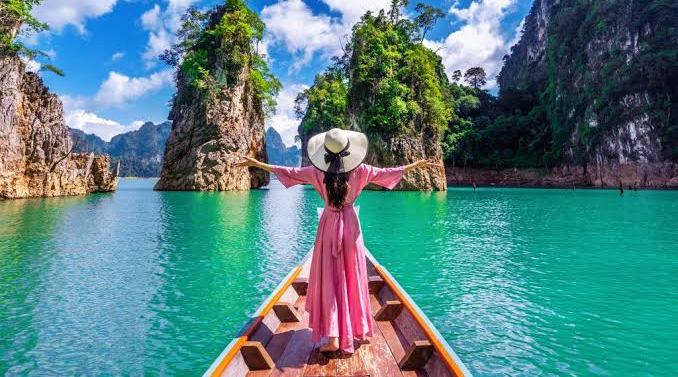
Planning a trip sounds exciting, but when you actually start thinking about flights, hotels, packing, budgets, places to visit, and what to do each day, it can quickly become confusing. I have found that the easiest way to enjoy a trip is to plan the important things in advance while leaving a little room for unexpected moments.
You do not need to create a perfect, tightly packed itinerary. A good trip plan should make your journey easier, not turn your holiday into a checklist.
Whether you are planning your first solo trip, a family holiday, a weekend getaway, or a trip with friends, these easy travel tips for beginners can help you organise everything step by step.
Why Planning a Trip in Advance Matters

A little preparation can save you from many common travel problems. Booking accommodation early, checking transportation, understanding the local weather, and setting a realistic budget can make the journey much smoother.
At the same time, overplanning can also take away some of the fun.
The best approach is to decide the important things beforehand and keep some free time in your schedule.
A Simple Trip Planning Formula
Destination → Budget → Dates → Transport → Stay → Itinerary → Packing → Safety
Following this order can make the whole process feel much easier.
1. Choose Your Destination Carefully
The first step is deciding where you want to go.
If you are a beginner, you do not necessarily need to choose a complicated destination with multiple cities and frequent transfers. A place that is easy to reach and has reliable accommodation and transportation can make your first trip more comfortable.
Think about what kind of experience you want.
Do you want beaches, mountains, historical places, food experiences, shopping, adventure, nature, or simply some peaceful time away from your usual routine?
Ask Yourself These Questions
- How many days can I travel?
- What kind of weather do I prefer?
- What is my approximate budget?
- Do I want a relaxing or adventurous trip?
- Am I travelling alone or with others?
- How much travel time am I comfortable with?
Answering these questions can help you narrow down your choices.
2. Decide Your Travel Budget
Before booking anything, decide how much you can comfortably spend.
A travel budget should include more than just your hotel and transportation. Food, local travel, entrance fees, shopping, activities, travel insurance where appropriate, and emergency expenses can all add up.
| Expense | What to consider |
|---|---|
| Transportation | Flights, trains, buses, taxis |
| Accommodation | Hotel, hostel, homestay |
| Food | Meals, snacks, drinks |
| Activities | Tours, tickets, experiences |
| Local transport | Metro, buses, cabs |
| Shopping | Souvenirs and personal purchases |
| Emergency fund | Unexpected expenses |
Important Tip
Keep a small emergency amount separate from your main travel budget. Try not to plan your trip so tightly that you spend your entire budget before returning home.
3. Pick the Right Travel Dates
Your travel dates can affect your entire trip.
Before finalising them, check the weather, local holidays, peak tourist seasons, and the amount of time you actually have available.
Travelling during peak season can sometimes mean higher prices and larger crowds. Off-season travel may be quieter, but weather and attraction availability can vary.
If your dates are flexible, compare different periods before making your bookings.
4. Research the Destination Before You Go

You do not need to research every street before your trip, but learning the basics can save you time and prevent avoidable problems.
Research:
- Popular attractions
- Local transportation
- Weather
- Local customs
- Approximate food costs
- Opening hours
- Safety information
- Payment options
- Areas where you plan to stay
Also check official tourism or government sources when you need current information about entry requirements, travel advisories, or local regulations.
5. Book Transportation at the Right Time
Once your destination and dates are confirmed, look at transportation.
Compare different options rather than automatically choosing the first available ticket.
For example, depending on the destination, you might compare:
- Flight
- Train
- Bus
- Car
- Shared transportation
Consider the total journey, not just the ticket price.
A cheaper flight might arrive at an inconvenient time and require expensive transportation to your hotel. Similarly, a slightly more expensive train may save you hours of travel.
Before Booking
Check:
- Departure and arrival times
- Baggage allowance
- Cancellation rules
- Change fees
- Airport or station location
- Connection time
- Transportation from arrival point to accommodation
6. Choose Accommodation Based on Location

A beautiful hotel can still be inconvenient if it is far away from everything you want to visit.
When choosing accommodation, look at the location first.
If you plan to explore several attractions, staying somewhere with easy access to public transportation can be helpful.
Compare Accommodation On:
| Factor | Why it matters |
|---|---|
| Location | Saves travel time |
| Reviews | Gives insight into guest experiences |
| Price | Helps maintain your budget |
| Facilities | Determines comfort |
| Cancellation policy | Useful if plans change |
| Check-in time | Important for late arrivals |
| Transport access | Makes sightseeing easier |
Do not focus only on the photographs. Read recent reviews and check the property’s policies before booking.
7. Create a Realistic Itinerary
This is where many first-time travellers make a mistake.
It can be tempting to list ten places for one day because they all look interesting online. But constantly rushing from one location to another can make your holiday exhausting.
Instead, group attractions that are close to each other.
Example of a Simple Day Plan
Morning: Visit one major attraction
Afternoon: Explore a nearby area and have lunch
Evening: Relax, shop, or visit another nearby place
Night: Return to your accommodation and rest
Leave some empty space in your schedule.
Sometimes the best travel memories come from discovering a small café, walking through a local market, talking to people, or simply enjoying the surroundings without checking the clock.
8. Don’t Forget Local Transportation
Before arriving, understand how you will move around the destination.
Depending on where you are travelling, options may include:
- Public buses
- Metro
- Trains
- Taxis
- Ride-hailing services
- Rental cars
- Walking
Save important transportation information on your phone. If you are travelling somewhere with limited internet access, keep important addresses and directions available offline where possible.
9. Make a Smart Packing List

Packing is much easier when you make a list before putting anything into your suitcase.
Your packing list should depend on the destination, weather, trip duration, and activities.
Basic Travel Packing Checklist
- Comfortable clothes
- Weather-appropriate outerwear
- Comfortable walking shoes
- Toiletries
- Phone and charger
- Power bank
- Identification and travel documents
- Medicines or personal essentials
- Sunglasses or sun protection
- Small day bag
- Reusable water bottle where appropriate
Avoid packing things simply because you think you might need them.
A lighter bag can make moving between hotels, stations, and airports much easier.
10. Keep Your Important Documents Safe
Travel documents are among the most important things you carry.
Depending on your trip, these may include identification, tickets, accommodation confirmations, insurance information, visas or permits where applicable, and other required documents.
Keep digital copies of important documents in a secure location and carry the originals as required.
Quick Document Checklist
| Document | Before leaving |
|---|---|
| ID/passport | Check validity |
| Tickets | Confirm dates and times |
| Hotel booking | Save confirmation |
| Travel insurance | Keep policy details accessible |
| Visa/permit | Check requirements if applicable |
| Emergency contacts | Save offline |
Always check official sources for the latest entry and documentation requirements because these can change.
11. Think About Travel Safety
Safety should be part of your planning rather than something you think about only after reaching your destination.
Keep your valuables secure, be cautious with unfamiliar people or situations, and avoid carrying unnecessary amounts of cash.
If you are travelling alone, let someone you trust know your basic itinerary and accommodation details.
Also save important emergency numbers and the contact details of your accommodation.
Simple Safety Habits
- Keep your phone charged.
- Avoid displaying expensive belongings unnecessarily.
- Keep copies of important documents.
- Be careful when using unfamiliar transportation.
- Check local guidance before visiting remote areas.
- Trust your instincts if a situation feels uncomfortable.
12. Learn a Few Local Words
You do not need to become fluent in the local language before travelling.
Learning a few basic words such as hello, thank you, please, excuse me, and help can still be useful.
It can also make interactions with local people more comfortable and respectful.
If you are travelling internationally, learning basic local etiquette can be just as useful as learning words.
13. Keep Some Free Time

A perfect itinerary does not mean every hour is scheduled.
I actually think free time is one of the most valuable parts of a trip.
You may discover a beautiful viewpoint, find an interesting market, want to spend longer at a museum, or simply feel like resting at the hotel.
If every minute is planned, there is no flexibility.
Try keeping at least part of each day open whenever possible.
14. Prepare for Unexpected Changes
Flights can be delayed. Weather can change. Attractions can close. Plans can go differently than expected.
Instead of getting stressed when something changes, keep a backup option.
For example, if an outdoor activity depends on good weather, have an indoor activity in mind as well.
This small habit can make you much more relaxed while travelling.
Common Travel Planning Mistakes to Avoid
Overpacking
Carrying too much luggage can make every part of your trip harder.
Overplanning
A packed itinerary can leave you exhausted instead of refreshed.
Ignoring Travel Time
Two attractions may look close on a map but take much longer to reach because of traffic or transportation schedules.
Booking Without Checking Policies
Always understand cancellation, refund, baggage, and check-in rules before confirming a booking.
Forgetting Extra Expenses
Small costs such as local transportation, snacks, tips, entrance fees, and service charges can add up.
A Simple Trip Planning Timeline
| Time | What to do |
|---|---|
| 4–8 weeks before | Choose destination and dates |
| 3–6 weeks before | Compare transport and accommodation |
| 2–3 weeks before | Plan major activities |
| 1 week before | Check weather and prepare packing list |
| 1–2 days before | Confirm bookings and documents |
| Travel day | Keep essentials accessible |
FAQ’s
1. What is the first step in planning a trip?
Start by choosing your destination based on your budget, available time, preferred activities, and travel season.
2. How much should I budget for a trip?
There is no fixed amount. Calculate transportation, accommodation, food, activities, local travel, shopping, and an emergency fund before deciding your budget.
3. How many activities should I plan in one day?
Keep the itinerary realistic. One or two major activities plus some flexible time is often more comfortable than trying to visit too many places.
4. What should a beginner pack for a trip?
Pack weather-appropriate clothes, comfortable shoes, toiletries, travel documents, chargers, personal essentials, and anything specifically required for your destination.
5. Should I book everything before travelling?
Important transportation and accommodation are usually worth arranging in advance, while some activities can be left flexible depending on the destination.



Leave a Reply