
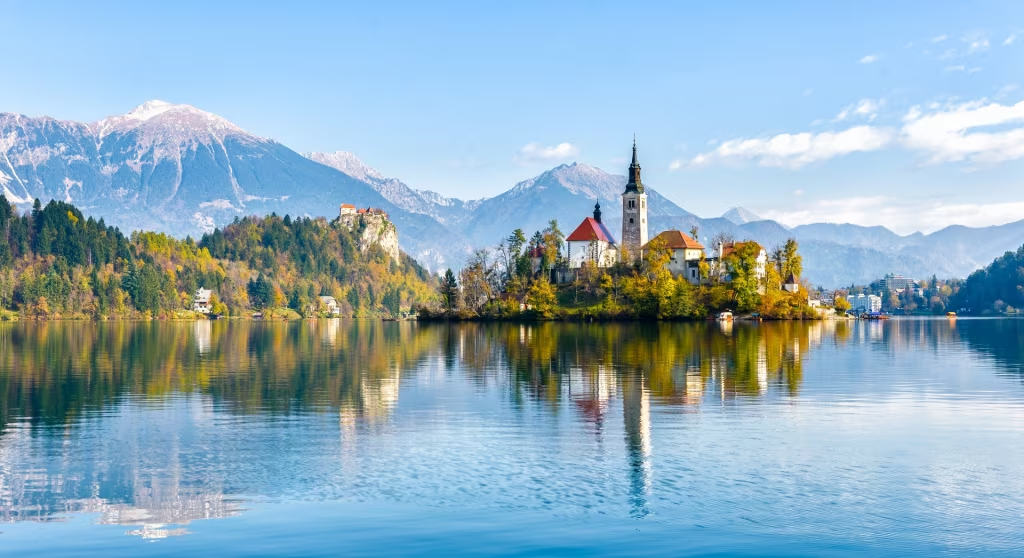
Landscape photography is more than capturing mountains, lakes, or sunsets—it’s about preserving the feeling of standing in front of nature’s greatest masterpieces. Every destination has its own personality, from dramatic glaciers and towering peaks to colorful deserts and crystal-clear coastlines. The world’s most breathtaking landscapes inspire photographers to wake before sunrise, hike challenging trails, and patiently wait for the perfect light.
Whether you’re an experienced photographer with professional equipment or someone who simply loves taking photos while traveling, choosing the right destination can make all the difference. In this guide, we’ll explore ten of the most beautiful landscape photography locations in the world, highlighting what makes each place unique, the best time to visit, photography tips, and the experiences that make these destinations unforgettable.
1. Banff National Park, Canada

Nestled in the heart of the Canadian Rockies, Banff National Park is a paradise for landscape photographers. Snow-capped mountains, turquoise glacial lakes, evergreen forests, and winding roads create postcard-perfect scenes throughout the year. Every turn reveals another breathtaking viewpoint, making it one of the world’s most photogenic national parks.
One of my favorite moments while photographing Banff was arriving at Moraine Lake before sunrise. The sky slowly turned pink as the first rays of sunlight illuminated the Ten Peaks, while the lake reflected every color like a giant mirror. The peaceful silence, broken only by birdsong, made the experience unforgettable.
Beyond Moraine Lake, photographers should explore Peyto Lake, Bow Lake, Vermilion Lakes, Johnston Canyon, and Icefields Parkway. During autumn, golden larch trees transform the mountains into vibrant landscapes, while winter blankets everything in pristine white snow.
Best Time to Visit: June to September for lakes, September for fall colors, December to February for winter scenery.
Photography Tip: Visit famous viewpoints before sunrise to avoid crowds and capture calm reflections on the lakes.
2. Lofoten Islands, Norway

The Lofoten Islands combine dramatic mountains, colorful fishing villages, white beaches, and the magical Northern Lights into one extraordinary destination. Few places offer such diverse photography opportunities within such a compact area.
Driving through Lofoten feels like entering another world. Sharp mountain peaks rise directly from the ocean, while tiny red fishing cabins create striking contrasts against snowy landscapes. During winter, the Northern Lights dance across the sky, while summer brings the Midnight Sun, allowing photographers to shoot in soft golden light almost all night.
Popular photography locations include Hamnøy Bridge, Reine Village, Uttakleiv Beach, Haukland Beach, and Sakrisøy. The constantly changing weather adds drama to every photograph.
Best Time to Visit: September to March for the Northern Lights, June and July for the Midnight Sun.
Photography Tip: Carry waterproof gear because weather conditions can change within minutes.
3. Patagonia, Chile & Argentina

Patagonia is often described as one of Earth’s last great wildernesses. Towering granite peaks, massive glaciers, turquoise lakes, powerful rivers, and endless valleys create spectacular photographic compositions.
Watching sunrise over Mount Fitz Roy is a bucket-list experience for landscape photographers. As sunlight strikes the mountain’s granite cliffs, they glow with shades of orange and red, creating one of nature’s most dramatic displays.
The region also features Torres del Paine National Park, Grey Glacier, Perito Moreno Glacier, Laguna Capri, and Laguna de los Tres. Strong winds and constantly changing weather make every visit unique.
Best Time to Visit: November to March.
Photography Tip: Bring a sturdy tripod because Patagonia’s famous winds can easily shake your camera.
4. Iceland

Iceland feels like another planet. Waterfalls, volcanoes, black sand beaches, glaciers, lava fields, and geothermal landscapes provide endless inspiration for photographers.
One morning at Kirkjufell Mountain, low clouds slowly drifted across the peak while a nearby waterfall reflected the soft morning light. The constantly changing atmosphere meant every photograph looked completely different just minutes apart.
Photographers should explore Skógafoss, Seljalandsfoss, Diamond Beach, Jökulsárlón Glacier Lagoon, Reynisfjara Beach, and the Highlands.
Best Time to Visit: June to August for lush landscapes, September to March for the Northern Lights.
Photography Tip: Use neutral density filters to create silky waterfall effects.
5. Dolomites, Italy

The Dolomites are famous for their dramatic limestone peaks, alpine meadows, charming villages, and breathtaking sunsets. During sunrise and sunset, the mountains glow pink and orange through a phenomenon called Enrosadira, creating magical photography conditions.
Popular locations include Seceda Ridge, Tre Cime di Lavaredo, Alpe di Siusi, Lago di Braies, and Passo Giau. Every season offers unique compositions, from flower-filled meadows to snow-covered peaks.
Best Time to Visit: June to October.
Photography Tip: Stay overnight near major viewpoints to capture both sunrise and sunset without long drives.
6.Zhangjiajie National Forest Park, China

Zhangjiajie National Forest Park is unlike anywhere else on Earth. Famous for its towering sandstone pillars, mist-covered valleys, and lush green forests, this UNESCO World Heritage Site inspired the floating mountains seen in the movie Avatar. Every corner of the park offers a surreal landscape that feels straight out of a fantasy world, making it one of the most extraordinary destinations for landscape photography.
Beyond the famous Avatar Hallelujah Mountain, photographers should explore Yuanjiajie Scenic Area, Tianzi Mountain, Golden Whip Stream, Tianmen Mountain, Huangshi Village, the breathtaking Glass Skywalk, and the scenic cable car routes that provide spectacular aerial perspectives.
Best Time to Visit: April to June and September to November, when the weather is pleasant and the chances of misty mornings are higher.
Photography Tip: Visit early in the morning after rainfall to capture the magical fog surrounding the sandstone pillars.
7. Torres del Paine National Park, Chile

Located in southern Patagonia, Torres del Paine National Park is one of South America’s most iconic destinations for landscape photographers. The park is known for its granite towers, crystal-clear lakes, powerful waterfalls, glaciers, and diverse wildlife. Every trail leads to breathtaking scenery that changes dramatically with the shifting weather.
One of the highlights of photographing Torres del Paine is watching the first sunlight illuminate the famous granite peaks. Their golden glow reflects beautifully across the surrounding lakes, creating a scene that photographers travel thousands of miles to witness. The park is equally rewarding throughout the day, with dramatic clouds, rainbows, and wildlife adding extra character to every composition.
Besides the famous Torres Viewpoint, visitors should explore Lake Pehoé, Grey Glacier, Grey Lake, Salto Grande Waterfall, French Valley, Cuernos del Paine, Laguna Amarga, and Mirador Condor. Wildlife such as guanacos, Andean condors, and foxes often appear naturally within the landscapes.
Best Time to Visit: November to March, during Patagonia’s summer season.
Photography Tip: Include wildlife in the foreground whenever possible to add depth, scale, and storytelling to your landscape photographs.
8. Swiss Alps, Switzerland

The Swiss Alps are a dream destination for photographers who love majestic mountain scenery. Snow-covered peaks, charming alpine villages, emerald meadows, waterfalls, and crystal-clear lakes combine to create some of Europe’s most spectacular landscapes. Whether visiting in summer or winter, every season transforms the scenery into something unique.
One of my favorite moments was watching sunrise over the Matterhorn, where the mountain slowly turned shades of orange and pink while its reflection appeared perfectly in a calm alpine lake. The peaceful atmosphere and fresh mountain air make every photography session feel incredibly rewarding.
Photographers should visit Matterhorn, Zermatt, Lauterbrunnen Valley, Bachalpsee Lake, Oeschinen Lake, Grindelwald First, Jungfraujoch, Staubbach Falls, and Lake Brienz. Each location offers a completely different perspective of Switzerland’s incredible alpine beauty.
Best Time to Visit: June to September for hiking and lush green valleys, or December to February for snowy winter landscapes.
Photography Tip: Explore lesser-known hiking trails instead of staying only at famous viewpoints to capture unique compositions with fewer crowds.
9. Namib Desert, Namibia

The Namib Desert is one of the oldest deserts on Earth and offers some of the most dramatic landscapes found anywhere in Africa. Its enormous orange sand dunes, ancient camel thorn trees, white clay pans, and endless blue skies create bold colors and striking contrasts that are perfect for landscape photography.
Watching sunrise at Deadvlei is an unforgettable experience. As the first rays of sunlight hit the towering dunes, they glow in brilliant shades of orange and red while the ancient black trees create fascinating silhouettes against the bright white ground. Throughout the day, shifting light creates endless opportunities for creative compositions.
Popular photography spots include Deadvlei, Sossusvlei, Dune 45, Big Daddy Dune, Sesriem Canyon, Hiddenvlei, Elim Dune, and Namib-Naukluft National Park.
Best Time to Visit: May to October, when temperatures are cooler and skies remain clear.
Photography Tip: Climb the dunes before sunrise to capture dramatic shadows, leading lines, and panoramic desert views.
10. Milford Sound, New Zealand

Often described as the Eighth Wonder of the World, Milford Sound is one of New Zealand’s most spectacular natural attractions. Towering cliffs, lush rainforests, peaceful fjords, and countless waterfalls create breathtaking scenery in every direction. The constantly changing weather adds an extra layer of drama that photographers absolutely love.
One of the most magical moments here comes after rainfall. Hundreds of temporary waterfalls suddenly appear along the cliffs, while low clouds drift through the mountains, creating an atmosphere that feels mysterious and cinematic. Every boat cruise and viewpoint offers fresh photographic opportunities.
Besides the iconic Mitre Peak, photographers should explore Stirling Falls, Bowen Falls, Mirror Lakes, The Chasm, Lake Gunn, Homer Tunnel, and the Milford Foreshore Walk for incredible landscape compositions.
Best Time to Visit: October to April, although Milford Sound remains beautiful throughout the year.
Photography Tip: Don’t avoid rainy weather—the waterfalls become even more spectacular, and mist adds incredible depth and mood to your photographs.
Final Thoughts
The world’s most beautiful landscape photography locations offer much more than incredible scenery—they provide unforgettable adventures, meaningful travel experiences, and memories that last a lifetime. From the turquoise lakes of Banff, the rugged coastlines of Lofoten, and the towering peaks of Patagonia to the glowing sand dunes of Namibia and the dramatic fjords of New Zealand, each destination has its own unique story waiting to be captured through your lens.
While owning a great camera certainly helps, the most memorable landscape photographs are created through patience, careful planning, and a genuine appreciation for nature. Arriving before sunrise, staying through golden hour, understanding weather conditions, and exploring beyond the popular viewpoints often lead to the most rewarding images. Respect every location you visit, leave no trace behind, and remember that the best landscape photographs are not just about perfect composition—they’re about capturing the emotion of standing in one of the most beautiful places on Earth.
Frequently Asked Questions
1. What is the best location in the world for landscape photography?
There is no single best location, but Banff National Park, Iceland, Patagonia, and the Dolomites are considered among the top destinations for breathtaking landscape photography.
2. Which season is best for landscape photography?
It depends on the destination. Spring and autumn offer vibrant colors, while winter is ideal for snowy landscapes and summer provides clear weather in mountainous regions.
3. What camera is best for landscape photography?
A DSLR or mirrorless camera with a wide-angle lens, tripod, and polarizing filter is ideal. However, modern smartphones can also capture stunning landscapes.
4. What is the best time of day for landscape photography?
The golden hour (just after sunrise and before sunset) offers the softest light, beautiful colors, and long shadows, making it the best time for landscape photography.


Leave a Reply