
There is a particular feeling you get when a safari vehicle enters a forest early in the morning. Jungle Safaris The air is cooler, the roads are still quiet, and for a while, nobody talks much. Everyone is looking around, hoping to be the first person to notice something moving between the trees.
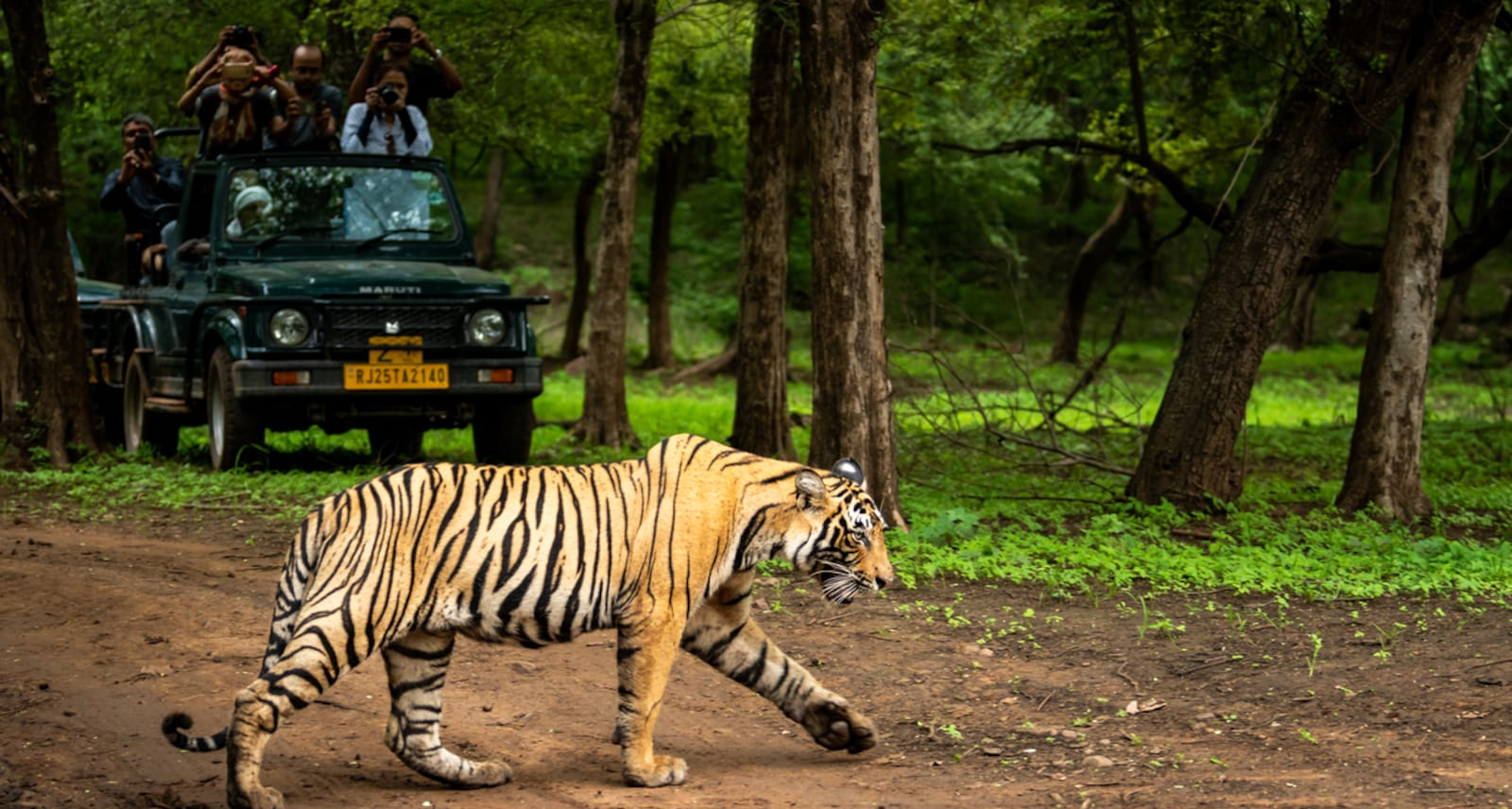
Then it happens.Your guide suddenly stops the vehicle and points toward a patch of grass. Everyone reaches for their camera. A tiger is walking slowly through the forest. Or maybe it is an elephant crossing the road with a young calf close beside it.
That little rush of excitement is what makes a jungle safari so different from an ordinary sightseeing trip.You cannot plan every moment. Animals do not appear because visitors have arrived. Some drives are full of action, while others are surprisingly quiet. And honestly, that is part of the charm.
India has some fantastic wildlife destinations, from dry tiger forests and open grasslands to mangrove swamps and lush mountain landscapes. Around the world, Africa and parts of Asia offer even more opportunities to experience wildlife in the wild.If you are thinking about making 2026 the year you finally take that safari trip, here are some of the top best wildlife destinations for an epic adventure.
What Makes a Jungle Safaris So Memorable?

A safari is really about anticipation.You might notice fresh footprints on a muddy road and start wondering which animal made them. Your guide may suddenly point out a bird sitting high in a tree that you would have completely missed. Somewhere in the distance, a deer gives an alarm call.
For a few minutes, everyone becomes incredibly quiet.
Is a leopard nearby? A tiger? Maybe nothing at all.
That uncertainty makes the experience exciting.
There is also something refreshing about spending several hours surrounded by nature without the usual distractions of everyday life. Instead of rushing between tourist attractions, you begin noticing small things—the sound of insects, the movement of leaves, the changing light, and the way animals interact with one another.
And when a big wildlife sighting finally happens, it feels earned.
Absolutely. I’ve converted your content into a table format without changing the wording.
1. Ranthambore National Park, Rajasthan

Ranthambore is probably one of the first names that comes up when people start talking about tiger safaris in India.
The scenery here is a big part of its appeal. Dry forests, rocky hills, open grasslands, lakes, and old ruins create a setting that looks almost cinematic. The historic Ranthambore Fort overlooking parts of the landscape makes the experience even more unusual.
Of course, most visitors arrive hoping to see a Bengal tiger.
You may also come across leopards, sloth bears, sambar deer, spotted deer, crocodiles, wild boars, and plenty of birds.
Ranthambore can be particularly enjoyable for photographers because the open areas sometimes offer good views of animals instead of having them completely hidden behind dense vegetation.
Best for: Tigers, photography, history, and dramatic landscapes.
2. Jim Corbett National Park, Uttarakhand Jungle Safaris

Jim Corbett is a wonderful option if this is your first serious wildlife trip.
The park sits in the Himalayan foothills and has a mixture of forests, rivers, grasslands, and hills. That variety creates a home for Bengal tigers, elephants, leopards, deer, crocodiles, and hundreds of bird species.
What I like about Corbett as a travel destination is that the experience doesn’t have to revolve entirely around one animal. Even if a tiger decides to stay hidden, there is plenty to see and enjoy.
The early morning atmosphere can be beautiful. The forest feels cool and quiet, and the landscape slowly changes as the sun comes up.
Best for: First-time safari travelers, families, elephants, birds, and varied scenery.
3. Kanha National Park, Madhya Pradesh Jungle Safaris


Kanha is one of those places where you can easily find yourself paying as much attention to the landscape as the wildlife.
The park has beautiful sal forests, open meadows, streams, and grasslands. Bengal tigers are a major attraction, while the barasingha, or swamp deer, is another species that makes Kanha particularly special.
Driving into one of the open meadows can be a wonderful experience. You might see deer grazing in the distance while birds move through the grass and monkeys watch from the trees.
Kanha feels less like a quick wildlife stop and more like a proper escape into the forest.
Best for: Tigers, barasingha, photography, and peaceful natural surroundings.
4. Jungle Safaris Bandhavgarh National Park, Madhya Pradesh

Bandhavgarh is another favorite among people who dream of seeing a tiger in the wild.
The park has a fascinating mixture of forest, grassland, rocky terrain, and historic sites. The scenery changes as you move through different areas, which keeps the safari interesting.
Tigers are the obvious highlight, but there is plenty of other wildlife to watch. Leopards, sloth bears, deer, wild boars, monkeys, and birds are all part of the ecosystem.
One of the fun parts of a safari here is watching your guide work. Experienced guides pay attention to tracks, animal movements, and alarm calls. You start realizing that there is much more happening in the forest than you can see at first glance.
Best for: Tiger sightings, photography, and wildlife enthusiasts.
5. Jungle Safaris Pench National Park, Madhya Pradesh and Maharashtra


Pench has a wonderfully traditional jungle atmosphere.
The park is home to tigers, leopards, wild dogs, deer, monkeys, and many species of birds. It is also associated with the landscapes that inspired Rudyard Kipling’s The Jungle Book.
What makes Pench memorable is often the feeling of simply being there.
A peacock calling somewhere in the forest. Sunlight falling through the trees. Fresh tracks across a dirt road. A herd of deer suddenly becoming alert.
These details may sound small, but they are exactly what makes a safari feel real.
Best for: Jungle scenery, nature lovers, photography, and a quieter wildlife experience.
6. Tadoba-Andhari Tiger Reserve, Maharashtra Jungle Safaris
Tadoba has become a favorite for wildlife enthusiasts, particularly those traveling with tigers high on their list.
The reserve has dry deciduous forests, bamboo areas, grasslands, and water bodies. Tigers share this environment with leopards, sloth bears, wild dogs, deer, and numerous birds.
The landscape can be quite open in places, which may help with wildlife viewing. Still, there are no guarantees. A tiger can be nearby and remain completely invisible.
That is wildlife for you.
If you enjoy photography, the warm light and earthy landscape can also create some beautiful opportunities.
Best for: Tigers, wildlife photography, and experienced safari travelers.
7. Kaziranga National Park, Assam

Kaziranga is a great reminder that Indian wildlife is about much more than tigers.
The park is famous for the greater one-horned rhinoceros and has an entirely different landscape from the dry forests of Rajasthan and central India.
Here you will find grasslands, wetlands, forests, and waterways. Elephants, wild water buffalo, swamp deer, tigers, and a remarkable range of birds also live in the region.
For birdwatchers, Kaziranga can be especially rewarding. For photographers, the open grasslands and large animals create plenty of opportunities.
And seeing a one-horned rhino in the wild is an experience that is hard to forget.
Best for: Rhinos, elephants, birds, and wetland landscapes.
8. Gir National Park, Gujarat Jungle Safaris

If tigers have already been on your safari list, perhaps it is time to look for a lion.
Gir is the famous home of the Asiatic lion and offers a very different wildlife experience from India’s tiger reserves.
The landscape is made up of dry deciduous forests and open areas. Along with lions, visitors may encounter leopards, chital, sambar, nilgai, crocodiles, and many birds.
There is something special about knowing that you are looking at one of the world’s most distinctive big-cat populations in its natural home.
Best for: Asiatic lions, wildlife photography, and a different kind of Indian safari.
9. Jungle Safaris Periyar, Kerala


Periyar is a beautiful choice if you want your wildlife trip to come with plenty of greenery.
Located in the Western Ghats, the reserve is known for its lake, forested hills, and elephants. Gaur, sambar, wild boar, monkeys, and many birds can also be seen.
The lake adds another dimension to the experience. Depending on the activities available during your visit, exploring the area by boat can give you a completely different view of the surrounding forest.
Periyar is particularly appealing for travelers who enjoy landscapes and atmosphere just as much as animal sightings.
Best for: Elephants, birds, lake views, and lush scenery.
10. Sundarbans National Park, West Bengal

The Sundarbans is unlike the other destinations on this list.
This is a world of mangrove forests, tidal waterways, muddy banks, and narrow channels. Instead of driving through a traditional forest, much of the experience revolves around exploring the waterways.
The region is famous for its Royal Bengal tigers, but spotting one is difficult. That does not make the trip less interesting. In fact, the challenge adds to the sense of mystery.
Crocodiles, deer, birds, and other wildlife can also be seen while exploring the mangroves.
Best for: Mangrove adventures, boat trips, and something genuinely different.
Incredible Wildlife Destinations Outside India
India has an enormous variety of wildlife experiences, but international safari destinations are equally tempting.
11. Maasai Mara, Kenya

The Maasai Mara is the kind of place many people picture when they hear the word “safari.”
Wide grasslands stretch toward the horizon, with lions, leopards, cheetahs, elephants, giraffes, zebras, and other animals moving across the landscape.
The great wildebeest migration is another major attraction.Jungle Safaris If witnessing the migration is your dream, timing matters because animal movements naturally change throughout the year.
Best for: Big cats, classic African scenery, and large wildlife gatherings.
12. Serengeti National Park, Tanzania

The Serengeti is another legendary African wildlife destination.
Its huge plains support an impressive variety of animals, including lions, cheetahs, leopards, elephants, giraffes, and zebras.
The great wildebeest migration is closely associated with the Serengeti ecosystem, but the park is worth visiting even when migration is not your main focus.
The sheer size of the landscape gives the safari a sense of freedom that is difficult to describe until you experience it.
Best for: Big-game safaris, photography, and expansive landscapes.
13. Kruger National Park, South Africa
Kruger is a strong choice for travelers looking for variety.
The park is home to Africa’s famous Big Five: lion, leopard, elephant, rhino, and buffalo. There are also numerous other mammals and bird species.
Because of its size and range of safari options, Kruger can work for different types of travelers. You can plan a more structured safari experience or explore options that offer greater independence.
Best for: Big Five viewing, photography, and flexible safari experiences.
14. Chobe National Park, Botswana

Chobe is especially famous for elephants.
Large herds gather around the Chobe River, and seeing them from a boat can be a fantastic experience.
The river also attracts hippos, crocodiles, buffalo, and many birds, creating an interesting mix of wildlife in one area.
For photographers, the combination of water, animals, and changing evening light can be particularly appealing.
Best for: Elephants, river safaris, and photography.
15. Yala National Park, Sri Lanka

Yala is an excellent option for travelers who want to add wildlife to a larger Sri Lankan holiday.
The park is well known for leopards and also supports elephants, sloth bears, crocodiles, deer, and many birds.
Its forests, lagoons, grasslands, and coastal surroundings create plenty of variety during a safari.
You can also combine a wildlife visit with Sri Lanka’s beaches, cultural attractions, and food, making it a convenient choice for a longer holiday.
Best for: Leopards, elephants, birds, and combined wildlife-and-beach trips.
How to Choose Your Wildlife Destination


The easiest way to choose a safari is to start with what you really want to see.
If tigers are your priority, look at Ranthambore, Bandhavgarh, Kanha, Pinch, or Tadoba.
For Asiatic lions, Gir is the standout choice in India.
If you have always wanted to see a one-horned rhino, Kaziranga deserves a place near the top of your list.
For elephants, Periyar and Kaziranga are excellent Indian choices, while Choke is famous for its huge elephant herds.
And if your dream is the classic African safari, the Maasai Mara, Serengeti, and Kruger are all worth considering.
Remember that no destination can promise a particular animal sighting. Wildlife is wild, and that unpredictability is part of the experience.
What Should You Take on Safari?

You can keep your packing fairly simple.
A few useful things include:
- Comfortable, lightweight clothes
- Neutral-colored clothing
- Comfortable outdoor shoes
- Hat and sunglasses
- Sunscreen
- Insect repellent
- Reusable water bottle
- Binoculars
- Camera with extra batteries
- Power bank
- Light jacket
- Essential personal medicines
An early-morning safari can feel surprisingly cold, so having a light layer in your bag is a smart idea.
How to Make Your Safari More Enjoyable

Don’t arrive expecting every drive to produce a spectacular sighting.
Instead, let the forest surprise you.
Listen when your guide stops talking. Watch the deer. Notice the birds. Look for tracks on the road. Sometimes the smallest clue can turn into the most exciting part of the morning.
If you are taking photographs, remember to put the camera down from time to time. Some moments are better experienced directly than through a screen.
And respect the animals. Never feed wildlife, make noises to attract them, throw anything from the vehicle, or pressure a driver to break park rules for a better photograph.
A responsible visitor leaves the forest exactly as they found it.
Frequently Asked Questions
1. What are the best jungle safaris in India?
Ranthambore, Jim Corbett, Kanha, Bandhavgarh, and Tadoba are popular choices.
2. Where is the best place to see tigers?
Ranthambore, Bandhavgarh, Kanha, Pench, and Tadoba are well known for tiger safaris.
3. What is the best time for a jungle safari?
The cooler and drier months are generally popular for wildlife viewing.
4. What should I carry on safari?
Carry comfortable clothes, sunscreen, binoculars, water, a camera, and a light jacket.
5. Are tiger sightings guaranteed?
No. Tigers are wild animals, so sightings can never be guaranteed.

Leave a Reply