
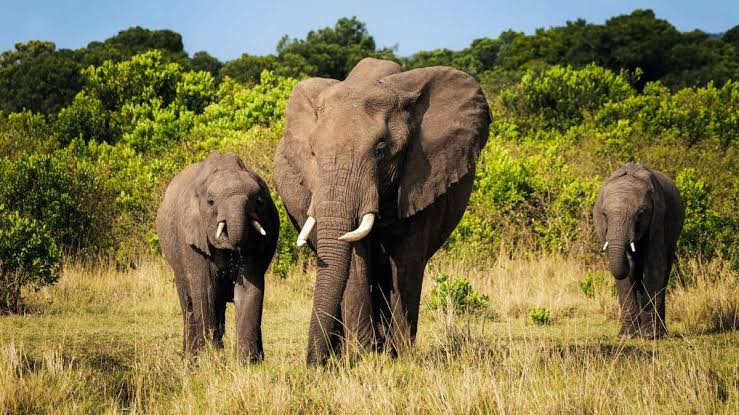
Imagine sitting quietly in an open safari vehicle as the morning sun rises over the grasslands. A herd of elephants moves slowly through the distance, birds fill the trees with their calls, and a lion rests beneath the shade of an acacia tree. For a wildlife photographer, moments like these are more than beautiful sights. They are opportunities to capture nature in its most natural form.
Wildlife photography safaris offer a special way to explore the natural world. They combine adventure, travel, patience, and photography, allowing visitors to observe animals in their habitats while creating memorable images. Whether you dream of photographing tigers in Indian forests, elephants in African national parks, or colourful birds in tropical landscapes, there are destinations for different interests and experience levels.
However, taking good wildlife photographs is not simply about owning an expensive camera. Understanding animal behaviour, choosing the right location, working with natural light, and respecting wildlife are just as important.
This guide explores some of the best wildlife photography safari destinations, essential equipment, practical photography techniques, and responsible travel tips to help you plan a rewarding experience in 2026.
What Is a Wildlife Photography Safari?
A wildlife photography safari is a nature-focused trip where the main purpose is to observe and photograph wild animals in their natural environments.
Unlike ordinary sightseeing tours, photography safaris often allow more time for observation. Guides and naturalists help visitors understand animal movements, habitats, and behaviour. This can make it easier to anticipate interesting moments without disturbing the animals.
A wildlife photography safari may include:
- Photographing mammals, birds, reptiles, and other wildlife.
- Exploring national parks, wildlife reserves, and conservation areas.
- Observing animal behaviour in natural habitats.
- Learning about ecosystems and conservation.
- Capturing landscapes, plants, and smaller details of nature.
- Developing photography skills with guidance from experienced professionals.
You do not need to be a professional photographer to enjoy this experience. Beginners can start with a basic camera or even a smartphone, while experienced photographers may prefer specialised equipment and dedicated photography tours.
Best Wildlife Photography Safari Destinations in 2026


Choosing the right destination depends on the animals you want to photograph, your budget, travel preferences, and the type of landscape you enjoy.
Here are some remarkable wildlife destinations to consider.
1. Maasai Mara National Reserve – Kenya
The Maasai Mara is one of Africa’s best-known wildlife safari destinations. Its open grasslands, scattered trees, and rich wildlife populations create excellent opportunities for photographing animals in natural surroundings.
Photographers often visit to capture lions, elephants, giraffes, zebras, cheetahs, and other animals. The reserve is also associated with the Great Migration, when large herds of wildebeest and zebras move through the wider Mara-Serengeti ecosystem.
Photography highlights:
- Lions resting or moving through grasslands.
- Cheetahs in open landscapes.
- Large herds of wildebeest and zebras.
- Dramatic sunrise and sunset scenes.
Best photography tip: Use a telephoto lens to photograph animals from a respectful distance. Early morning and late afternoon often provide softer, more attractive light.
2. Ranthambore National Park – India
Ranthambore is a popular destination for photographers hoping to capture Bengal tigers in the wild. Located in Rajasthan, the park combines dry forests, lakes, rocky landscapes, and historic ruins.
Apart from tigers, visitors may encounter leopards, sloth bears, crocodiles, deer, and many bird species. Every safari is different, and animal sightings are never guaranteed.
Photography highlights:
- Bengal tigers in natural surroundings.
- Crocodiles near water bodies.
- Deer and other forest animals.
- Wildlife framed by rocky landscapes and ancient structures.
Best photography tip: Learn to photograph through changing light conditions. Forest shade can create challenging exposure situations, so understand how to adjust your camera’s ISO and shutter speed.
3. Serengeti National Park – Tanzania
The Serengeti is famous for its wide open plains and extraordinary wildlife. It is part of the larger Serengeti-Mara ecosystem and offers opportunities to photograph large herds, predators, and other animals.
The changing seasons influence wildlife movements, making the timing of a visit important. Photographers may capture lions, cheetahs, elephants, giraffes, zebras, and wildebeest against beautiful natural landscapes.
Photography highlights:
- Large wildlife herds across open plains.
- Predators resting or moving through grass.
- Elephants and giraffes in scenic settings.
- Wide landscape photographs at sunrise and sunset.
Best photography tip: Do not focus only on close-up animal portraits. Include the surrounding landscape to tell a more complete story about the animal’s habitat.
4. Kaziranga National Park – India
Kaziranga National Park in Assam is internationally recognised for its greater one-horned rhinoceros population. Its grasslands, wetlands, and forest habitats support a variety of wildlife.
Photographers can look for rhinoceroses, wild water buffaloes, elephants, deer, and numerous bird species. The park is particularly interesting for people who enjoy photographing animals against lush green landscapes and wetland scenery.
Photography highlights:
- One-horned rhinoceroses in grasslands.
- Wild water buffaloes.
- Elephants and deer.
- Wetland birds and natural landscapes.
Best photography tip: Carry equipment that allows you to photograph both large animals and distant birds. A versatile telephoto zoom can be particularly useful.
5. Kruger National Park – South Africa
Kruger National Park is a major wildlife destination in South Africa, known for its diverse habitats and impressive variety of animals.
It offers opportunities to photograph elephants, lions, leopards, rhinoceroses, buffaloes, giraffes, and many bird species. The park’s extensive road network also makes it suitable for different types of safari experiences.
Photography highlights:
- Big Five wildlife photography.
- Leopards resting in trees.
- Elephants in natural habitats.
- Birds and smaller wildlife species.
Best photography tip: Be patient when observing animal behaviour. A few extra minutes of waiting may reveal a much more interesting photograph than taking several rushed pictures.
6. Chobe National Park – Botswa
Chobe National Park is particularly famous for its elephants and river-based wildlife experiences. Located in northern Botswana, it offers a different perspective on safari photography.
Boat safaris along the Chobe River can provide opportunities to photograph elephants approaching the water, hippos resting in the river, crocodiles, and birds.
Photography highlights:
- Elephants gathering near the river.
- Hippos and crocodiles.
- Waterbirds and river landscapes.
- Wildlife reflections during softer light.
Best photography tip: If joining a boat safari, protect your camera from splashes and check whether the boat provides enough room for photography equipment.
7. Galápagos Islands – Ecuadoe
The Galápagos Islands offer a very different wildlife photography experience. Instead of focusing mainly on large mammals, photographers can explore unique island wildlife and marine environments.
The islands are known for giant tortoises, marine iguanas, sea lions, and distinctive bird species such as blue-footed boobies.
Photography highlights:
- Giant tortoises in their natural habitats.
- Marine iguanas on rocky coastlines.
- Sea lions resting on beaches.
- Unique seabirds and coastal landscapes.
Best photography tip: A macro or close-focusing lens can be useful for photographing smaller natural details, while a telephoto lens helps capture animals without approaching too closely. Always follow local wildlife-distance rules.
8. Corbett Tiger Reserve – India
Corbett Tiger Reserve is a wonderful option for photographers interested in forest wildlife, birds, elephants, and Bengal tigers. Located in Uttarakhand, it features river landscapes, grasslands, and dense forest areas.
The reserve offers different safari zones and experiences, so checking current access rules and permitted routes before booking is important.
Photography highlights:
- Tigers and elephants in forest surroundings.
- Kingfishers and other colourful birds.
- Deer and smaller wildlife.
- Riverbanks and forest landscapes.
Best photography tip: Keep your camera ready when exploring different habitats. Sometimes a bird or smaller animal can provide an equally memorable photograph as a large predator.
Which Wildlife Safari Destination Should You Choose?
The right destination depends on what you most want to photograph. Here is a simple comparison to help you decide.
| Destination | Best known for | Photography style |
|---|---|---|
| Maasai Mara, Kenya | Lions, cheetahs, migration | Open grassland and action |
| Ranthambore, India | Bengal tigers | Forest and lake photography |
| Serengeti, Tanzania | Wildlife herds and predators | Landscapes and animal behaviour |
| Kaziranga, India | One-horned rhinoceros | Grassland and wetland wildlife |
| Kruger, South Africa | Big Five wildlife | Varied wildlife photography |
| Chobe, Botswana | Elephants and river wildlife | Water-based photography |
| Galápagos, Ecuador | Tortoises, iguanas, seabirds | Island and marine wildlife |
| Corbett, India | Tigers, elephants, birds | Forest and river photography |
For African safari travellers, the Serengeti, Maasai Mara, Kruger, and Chobe are particularly strong options to research. Their landscapes and wildlife experiences are quite different, so compare the season and photographic opportunities before choosing. Discover Africa+3
Best Time to Plan a Wildlife Photography Safari
Timing can make a significant difference to your photography experience. Weather, animal movements, vegetation, and water availability all influence what you may see.
Here are some general seasonal considerations:
Dry Season
In many African safari regions, the dry season can make wildlife easier to observe because vegetation becomes thinner and animals may gather around remaining water sources.
It can be a good time for photographing large mammals and animal interactions. However, conditions differ between parks and countries.
Green Season
The green season brings fresh vegetation, dramatic skies, and beautiful landscapes. It can also be rewarding for bird photography and capturing young animals in some regions.
The trade-off is that thicker vegetation and rain may make certain sightings more challenging.
Winter and Summer in Indian Wildlife Parks
Indian wildlife reserves have different seasonal conditions and operating schedules. Some parks or safari zones may close during parts of the year, and weather can influence visibility and animal activity.
Before planning a trip to Ranthambore, Kaziranga, or Corbett, check the official park information for opening dates, safari timings, permits, and current restrictions.
Important: There is no single best month for every wildlife destination. Research the specific park and the animals you hope to photograph before booking.
Essential Camera Equipment for Wildlife Photography Safaris

You do not need to purchase every piece of professional photography equipment to enjoy a safari. A practical kit that suits your destination and photography experience is a better starting point.
1. DSLR or Mirrorless Camera
A DSLR or mirrorless camera with reliable autofocus and good performance in different lighting conditions can help capture wildlife more effectively.
Beginners can also use an advanced compact camera or smartphone, although distant animals may be difficult to photograph clearly.
2. Telephoto Lens
A telephoto lens is one of the most useful pieces of equipment for wildlife photography. It allows you to photograph animals from a respectful distance without disturbing them.
A zoom lens can also help you adjust framing when animals move or the distance changes.
3. Extra Batteries
Safari outings can last several hours, and reviewing photographs or recording videos can use battery power quickly. Carry fully charged spare batteries.
4. Memory Cards
Bring enough storage for photographs and videos. If possible, carry more than one memory card rather than relying on a single card throughout the trip.
5. Camera Cleaning Kit
Dust, sand, and moisture can affect camera equipment. A basic cleaning kit with a blower, microfiber cloth, and protective covers can be useful.
6. Binoculars
Binoculars help you observe distant animals and identify birds before deciding whether to photograph them.
7. Comfortable Camera Bag
Choose a bag that protects your equipment and is easy to access while travelling. It should also be comfortable enough to carry during long journeys.
Expert Wildlife Photography Tips for Better Safari Pictures

Having the right equipment is helpful, but understanding how to use it makes a bigger difference. These practical tips can help you improve your photographs during a safari.
1. Make the Most of Natural Light
Early morning and late afternoon often provide softer light that can make wildlife photographs look more appealing. The warm tones during these hours can also add atmosphere to landscapes.
Midday sunlight can be harsh, creating strong shadows. If you are photographing during this time, look for animals in naturally shaded areas.
2. Learn Basic Camera Settings
Understanding a few camera settings can help you react quickly when animals move.
- Shutter speed: A faster shutter speed helps freeze movement, especially when photographing running animals or birds in flight.
- Aperture: A wider aperture can help separate the subject from a distracting background.
- ISO: Increase ISO when lighting is limited, while keeping image noise in mind.
- Autofocus: Continuous autofocus can help track moving animals.
- Burst mode: Useful when an animal is running, jumping, or interacting with others.
Try practising these settings before your trip rather than learning everything during the safari.
3. Focus on the Animal’s Eyes
When photographing mammals and birds, sharp eyes can make an image feel more engaging.
Use an appropriate autofocus setting and try to capture the animal looking naturally towards the camera. You do not need to force an interaction to create a strong photograph.
4. Be Patient and Observe Behaviour
Wildlife photography rewards patience. Instead of immediately taking pictures when you spot an animal, spend some time observing what it is doing.
You may notice interesting behaviour, such as elephants interacting with their young, birds searching for food, or a predator watching its surroundings.
5. Try Different Compositions
Do not photograph every animal from the same angle. Experiment with:
- Close-up animal portraits.
- Wide photographs showing the habitat.
- Silhouettes against sunrise or sunset.
- Reflections near water.
- Animal groups and interactions.
- Vertical and horizontal framing.
A photograph that tells a story about the animal and its environment can be more memorable than a simple close-up.
6. Keep Your Camera Stable
Photographing from a safari vehicle can be challenging because the vehicle may move or vibrate. Resting your camera on a suitable beanbag or stable support can help reduce camera shake.
Follow the guide’s instructions and never lean out of the vehicle or put yourself in an unsafe position.
7. Photograph More Than the Big Animals
It is easy to spend an entire safari looking for lions, tigers, and elephants. But birds, insects, reptiles, plants, and smaller mammals can offer equally interesting photographic opportunities.
Pay attention to the details around you. Sometimes the most beautiful photograph of the day may come from an unexpected subject.
How to Choose the Right Wildlife Photography Safari Tour
Not every safari tour is designed with photographers in mind. Some focus on general wildlife sightseeing, while others provide more time and flexibility for taking photographs.
Before making a booking, consider these factors.
Experienced naturalist or photography guide: A knowledgeable guide can help you understand animal behaviour, habitat conditions, and photography opportunities.
Small group size: Smaller groups may offer a more comfortable experience and better opportunities to observe wildlife without overcrowding.
Vehicle arrangements: Check whether the safari vehicle provides enough space for camera equipment and comfortable photography positions.
Safari duration: Longer or dedicated photography outings may provide more time to wait for natural animal behaviour.
Responsible wildlife practices: Choose operators who follow park rules, maintain appropriate distances, and avoid disturbing animals.
Transparent pricing: Check what the package includes, such as park permits, accommodation, transport, meals, guide fees, and equipment-related charges.
A good photography safari should prioritise the wildlife experience rather than promising guaranteed animal sightings.
Responsible Wildlife Photography: Respect Nature First

A beautiful wildlife photograph is never worth putting an animal under stress or damaging its habitat.
Responsible photography means observing wildlife without interfering with its natural behaviour.
Follow these important practices:
- Maintain the distance required by park authorities and your safari guide.
- Never feed, chase, touch, or deliberately frighten wild animals.
- Avoid loud noises, sudden movements, and flash photography when prohibited or disturbing.
- Never ask a guide to leave permitted routes or approach an animal for a better photograph.
- Avoid disturbing nests, dens, and young animals.
- Do not share sensitive wildlife locations if doing so could expose animals to harm.
- Take all waste back with you and respect local communities.
India’s wildlife tourism guidance emphasises maintaining safe distances, avoiding loud behaviour, and limiting disturbance during sensitive wildlife sightings. Ethical photography guidance also advises against baiting or provoking animals for pictures. Ministry of Tourism+3
How to Prepare for Your First Wildlife Photography Safari
If this is your first safari, a little preparation can make the entire experience more comfortable.
- Research your destination: Learn about the animals, weather, safari rules, and photography opportunities.
- Book in advance: Check permits, accommodation, and safari availability, especially during popular travel periods.
- Practise with your camera: Learn autofocus, burst mode, exposure, and zoom controls before travelling.
- Pack suitable clothing: Choose comfortable, weather-appropriate clothing and footwear.
- Protect your equipment: Carry camera covers and suitable storage for dusty or wet conditions.
- Carry essentials: Bring water, sunscreen, personal medication, and other items recommended by your tour operator.
- Keep expectations realistic: Wildlife sightings depend on natural conditions, and no operator can guarantee every animal encounter.
FAQ’s
1. What is a wildlife photography safari?
A wildlife photography safari is a guided trip that allows photographers to capture animals in their natural habitats.
2. Which destination is best for wildlife photography?
Maasai Mara, Serengeti, Ranthambore, Kruger National Park, and Kaziranga are popular wildlife photography destinations.
3. What camera equipment should I take on a wildlife safari?
Carry a DSLR or mirrorless camera, a telephoto lens, extra batteries, memory cards, and binoculars.
4. What is the best time for a wildlife photography safari?
The best time depends on the destination, but dry seasons often make wildlife easier to spot near water sources.
5. How can I photograph wildlife responsibly?
Maintain a safe distance, avoid disturbing animals, never feed them, and follow your safari guide’s instructions.


Leave a Reply